



 Official manufacturer image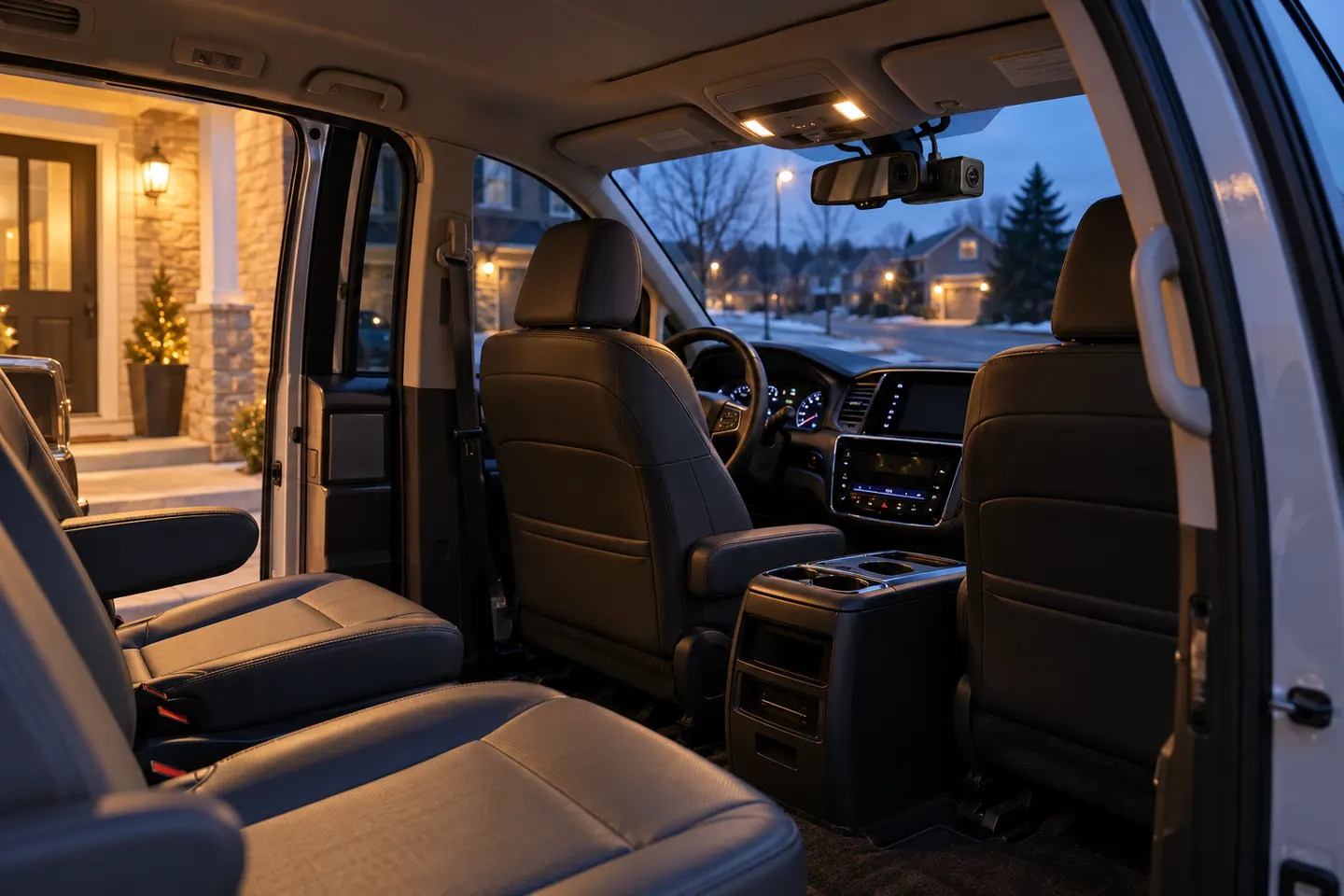
Our picks
Top picks
Official manufacturer image Official manufacturer image
VIOFO A229 Plus 2CH
Check price on Amazon AU Official manufacturer image
Garmin Dash Cam Mini 3
Check price on Amazon AUCommon questions
Questions before you buy
What is an inside car camera used for?
It records activity within the cabin, providing context for rideshare, training, fleet or personal-security incidents.
Is an interior dash cam the same as a rear dash cam?
No. An interior camera faces occupants; a rear dash cam normally looks through the rear window at traffic behind the vehicle.
Can an inside car camera see in the dark?
Some use infrared illumination or low-light processing for the cabin. Effectiveness and image appearance vary, so check official sample footage and specifications.
Do cabin dash cams record sound?
Many include a microphone, often with a mute control. Check the indicator and local rules before recording conversations.
Where should an interior camera be mounted?
It needs an unobstructed cabin view without interfering with driving visibility, mirrors, sensors or airbags. The best position depends on the vehicle and lens angle.