



 Official manufacturer image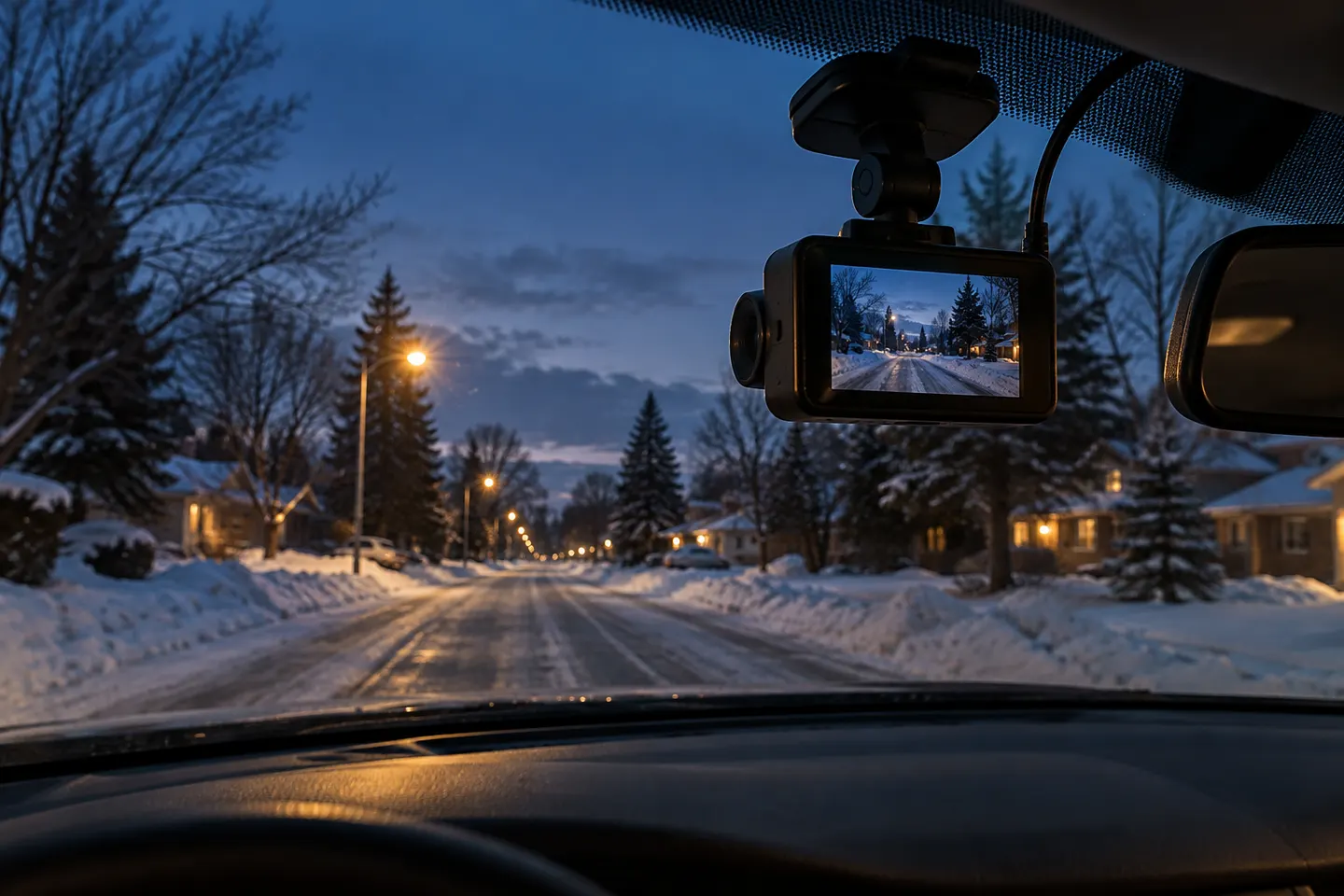
Our picks
Top picks
Official manufacturer image Official manufacturer image
VIOFO A229 Plus 2CH
Check price on Amazon AU Official manufacturer image
Garmin Dash Cam Mini 3
Check price on Amazon AUCommon questions
Questions before you buy
Do dash cams have true night vision?
Road-facing models generally use sensitive imaging and HDR with available light. Cabin cameras may add infrared illumination for very dark interiors.
What makes a dash cam good at night?
Useful low-light footage depends on the full imaging system, exposure control, processing, lens cleanliness and scene lighting—not resolution alone.
Can a night vision car camera read number plates?
It may capture a plate in favourable conditions, but glare, speed, distance, angle and darkness can prevent legibility. No camera guarantees every plate.
Does HDR improve dash cam footage at night?
HDR can help balance bright and dark regions, including illuminated signs or headlights. Results vary with implementation and driving conditions.
Is infrared useful for a front dash cam?
Infrared is most useful for an interior lens aimed at the cabin. Reflections from the windscreen can make it unsuitable for ordinary forward road recording.