



 Official manufacturer image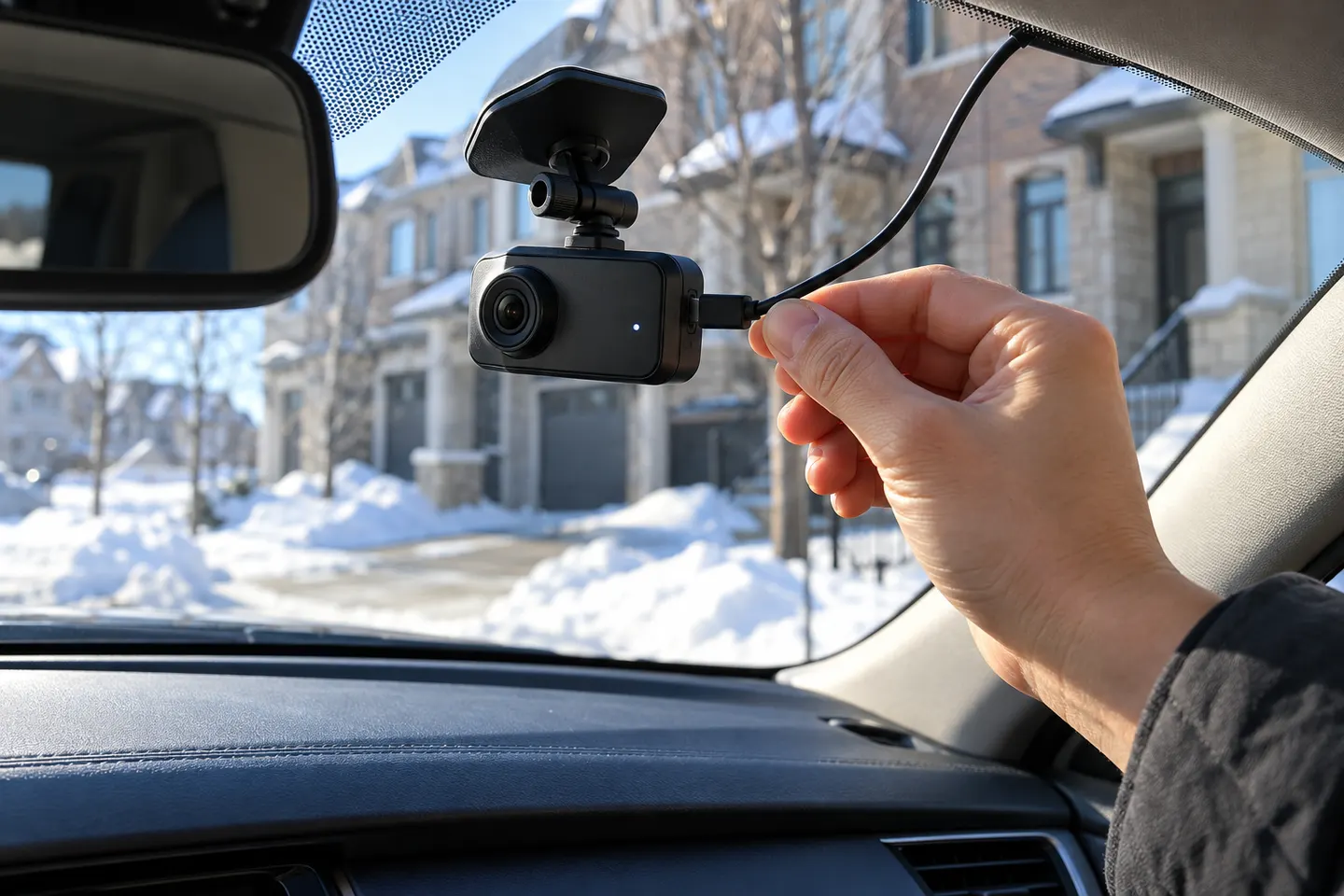
Our picks
Top picks
Official manufacturer image Official manufacturer image
VIOFO A229 Plus 2CH
Check price on Amazon AU Official manufacturer image
Garmin Dash Cam Mini 3
Check price on Amazon AUBy feature
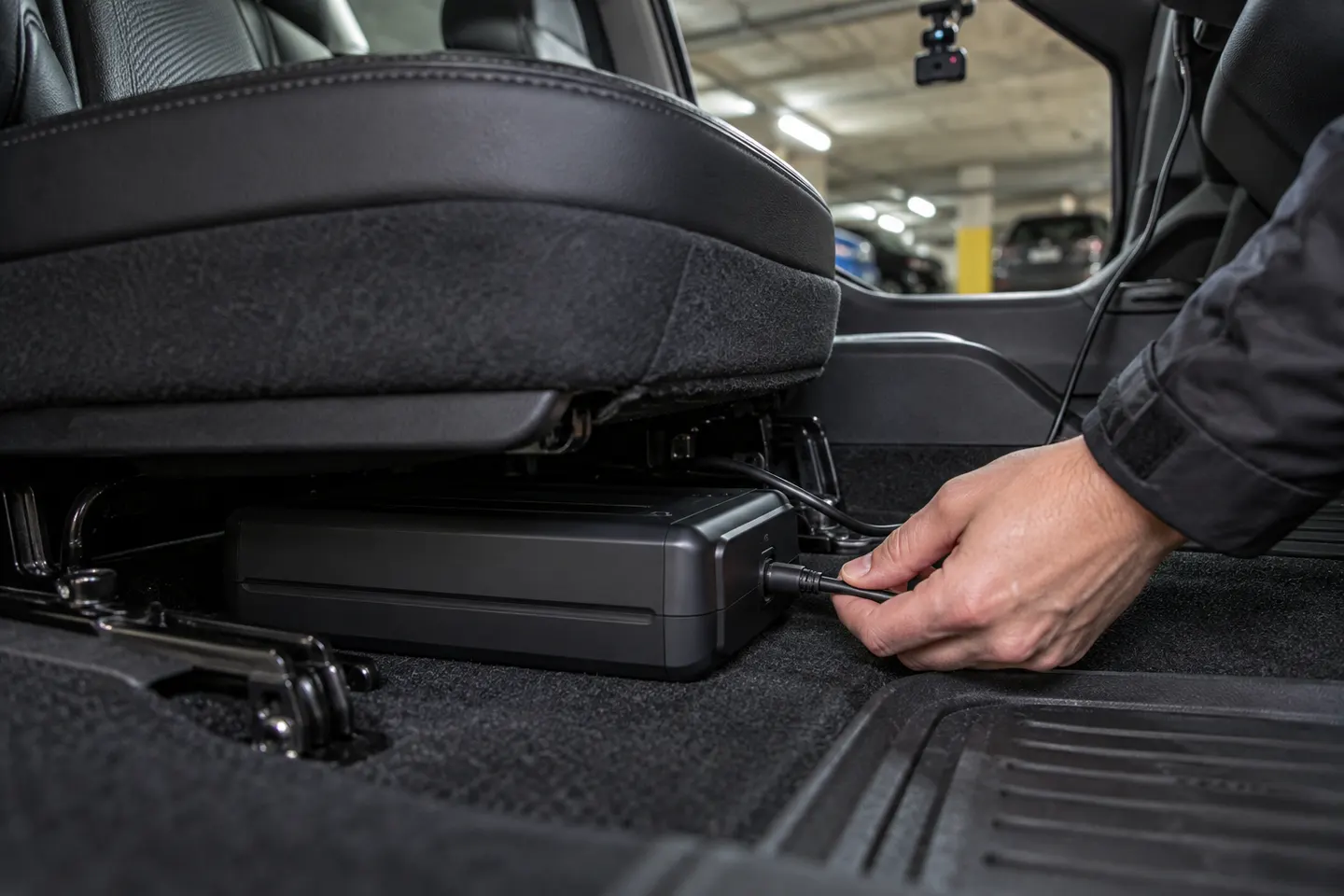 Rechargeable battery
Common questions
Questions before you buy
How long will a rechargeable dash cam run unplugged?
Many are not designed for meaningful unplugged recording. Any stated runtime is model-specific and should be checked in the official manual.
Why does a dash cam have a rechargeable battery?
It may keep the camera alive briefly so it can save the active file and shut down correctly after vehicle power is removed.
Can I charge a dash cam at home and use it wirelessly?
Only if the manufacturer explicitly supports that use. Most conventional dash cams expect continuous external power while recording.
Will a rechargeable dash cam record overnight?
An internal backup cell is generally unsuitable for overnight monitoring. Supported parking mode requires an appropriate ongoing power source.
What is the difference between a rechargeable battery and a capacitor dash cam?
A battery stores more energy for brief operation; a capacitor mainly supports safe file closure and shutdown. Neither automatically provides long cordless recording.