



 Official manufacturer image
Our picks
Top picks
Official manufacturer image Official manufacturer image
VIOFO A229 Plus 2CH
Check price on Amazon AU Official manufacturer image
Garmin Dash Cam Mini 3
Check price on Amazon AUMore topics
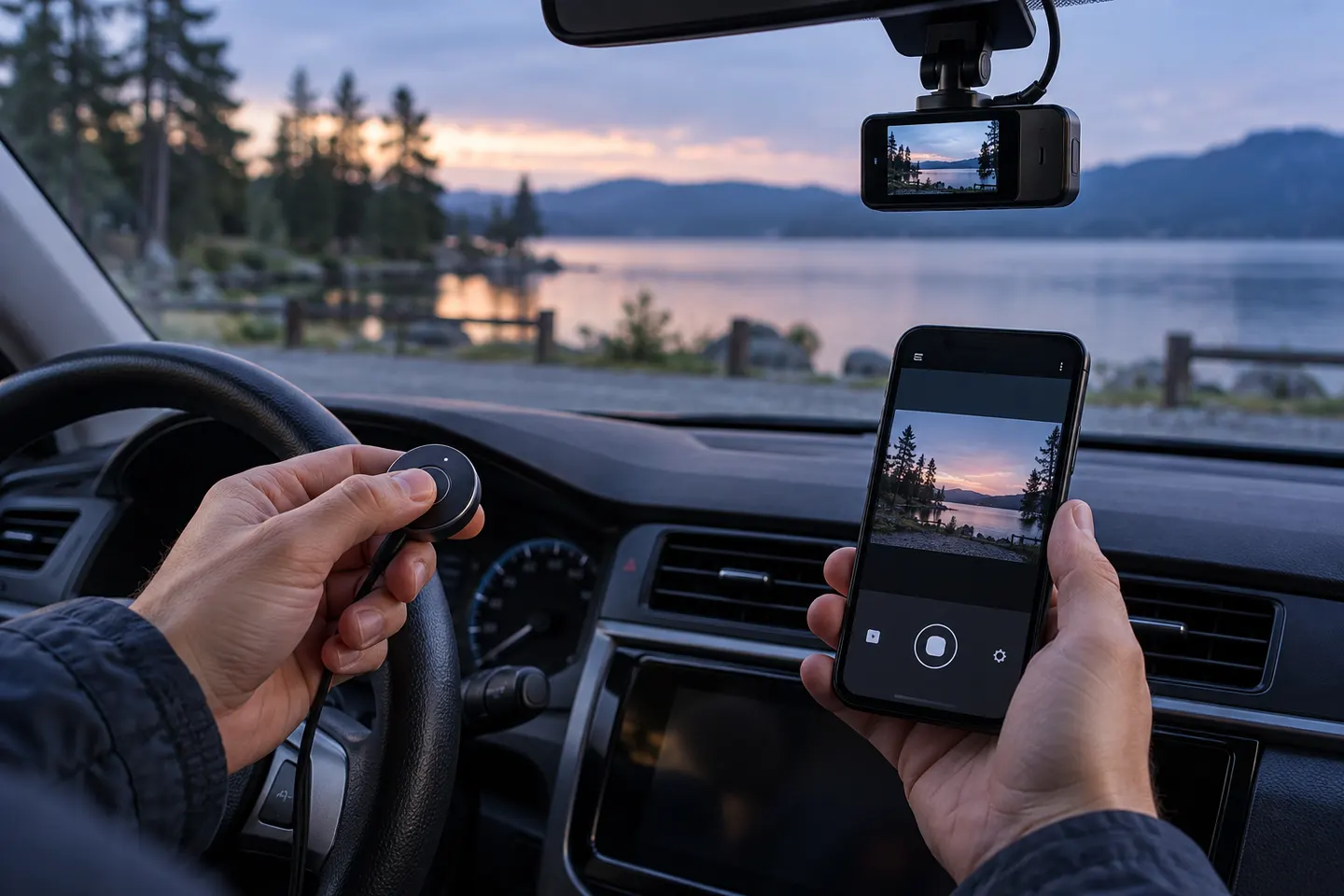 Remote Control Car Cameras for Live View and…
Common questions
Questions before you buy
How does a remote controlled car camera work?
The camera captures the view and either stores it onboard or sends it through a video transmitter to a receiver. The car's steering and throttle remain separate radio-control functions.
Can I drive a remote controlled car using only its camera?
A suitable FPV system can make that possible, but range, obstacles, interference and video delay affect control. Operate within local rules and keep the vehicle in a safe area.
Does camera weight affect a remote controlled car?
Yes. Added mass and a high mounting point can affect acceleration, handling and rollover risk, especially on a small model.
What should I check before connecting the camera to the car battery?
Match the camera's specified input voltage and connector to the vehicle's supply. Use the maker's recommended regulator where required and protect wiring from moving parts.