



 Official manufacturer image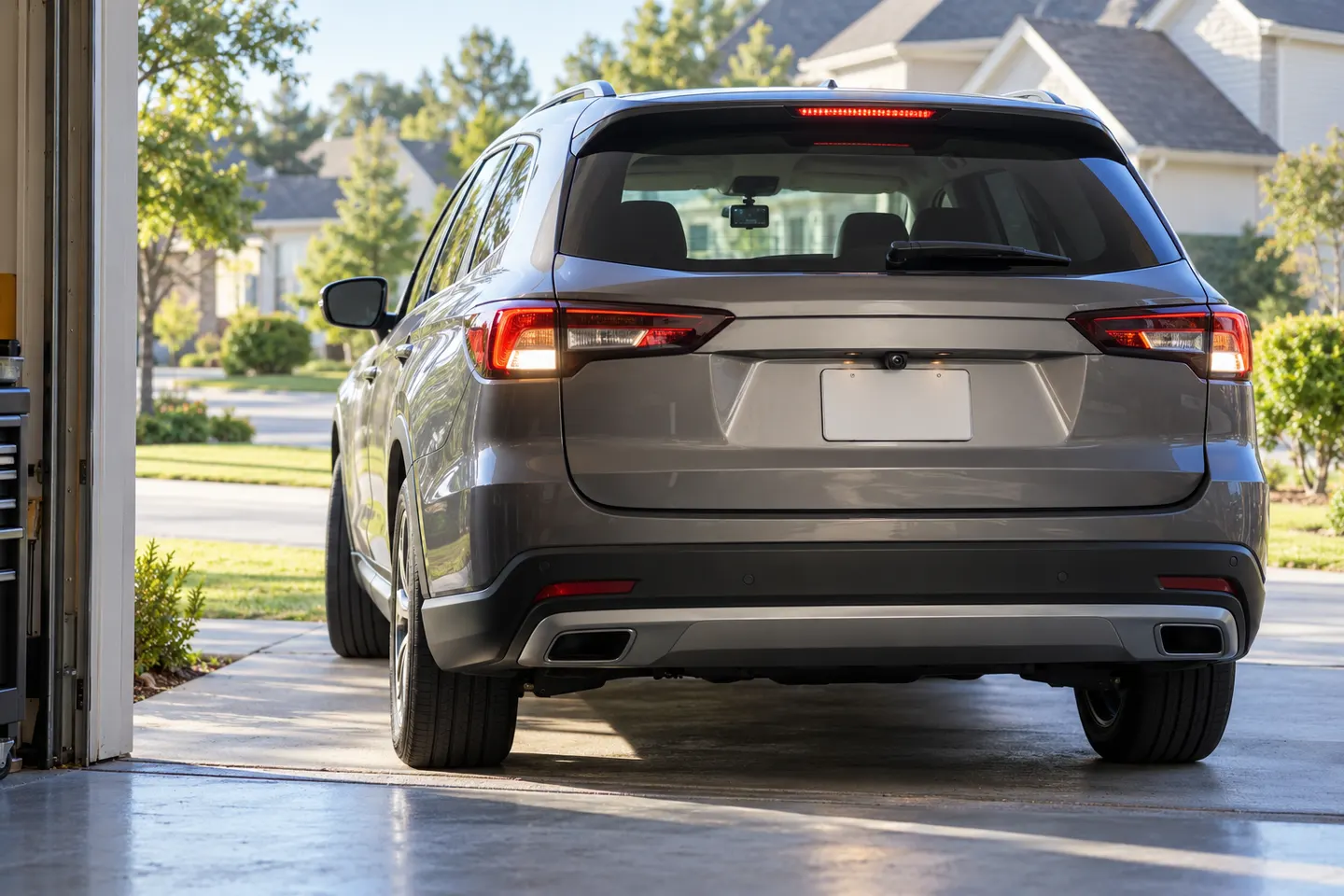
Our picks
Top picks
Official manufacturer image Official manufacturer image
VIOFO A229 Plus 2CH
Check price on Amazon AU Official manufacturer image
Garmin Dash Cam Mini 3
Check price on Amazon AUCommon questions
Questions before you buy
How many cameras should a car camera system have?
One channel records ahead, two add the rear, and three commonly add the cabin. Choose cameras for specific sightlines rather than assuming more channels always deliver useful evidence.
Can all car cameras record at the same time?
A true multi-channel system records its supported cameras together, but resolution and frame rate may differ from single-channel figures. Read the simultaneous-recording specification.
Does a four-camera system need more storage?
Usually, because it writes several video streams. Recording time also depends on resolution, bitrate, codec and the capacity accepted by the recorder.
Can a car camera system run while parked?
Compatible systems can, using hardwiring or a dedicated battery. Configure voltage protection and understand that recording duration is limited by power and settings.