




 Official manufacturer image
Our picks
Top picks
Official manufacturer image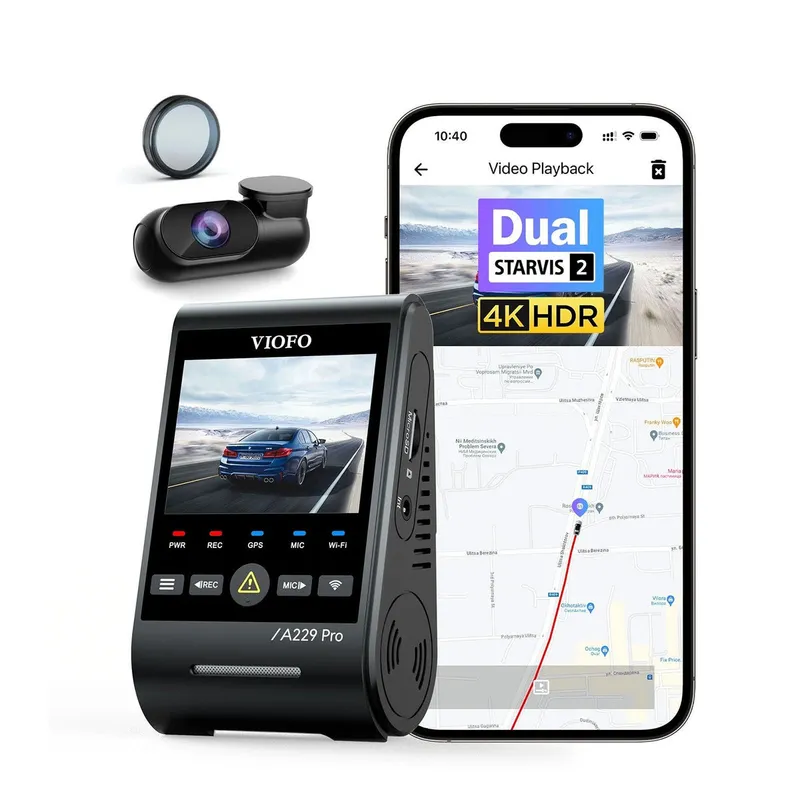 Official manufacturer image
VIOFO A229 Pro 2CH
Check price on Amazon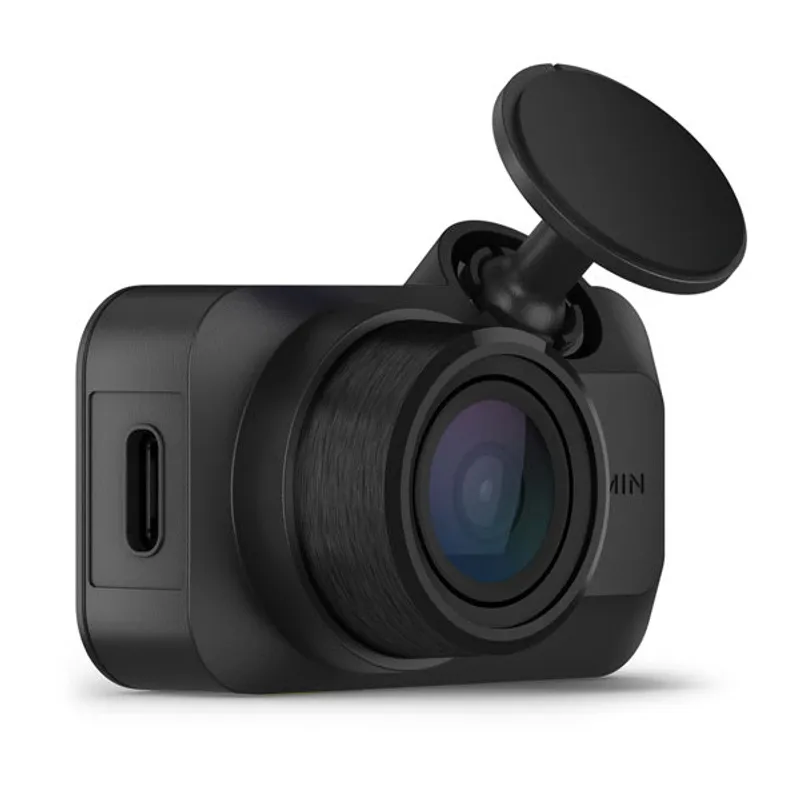 Official manufacturer image
Garmin Dash Cam Mini 3
Check price on AmazonCommon questions
Questions before you buy
Can you use a car dash cam on a motorcycle?
It may record, but most car cameras are not designed for exposed rain, vibration or bike mounting. A motorcycle-specific kit is the safer match for permanent use.
Is a helmet camera the same as a motorcycle dash cam?
No. A helmet camera follows your head and usually relies on its own battery; a fitted dash cam records from fixed bike positions and can start with the ignition.
Where should motorcycle dash cam cameras be mounted?
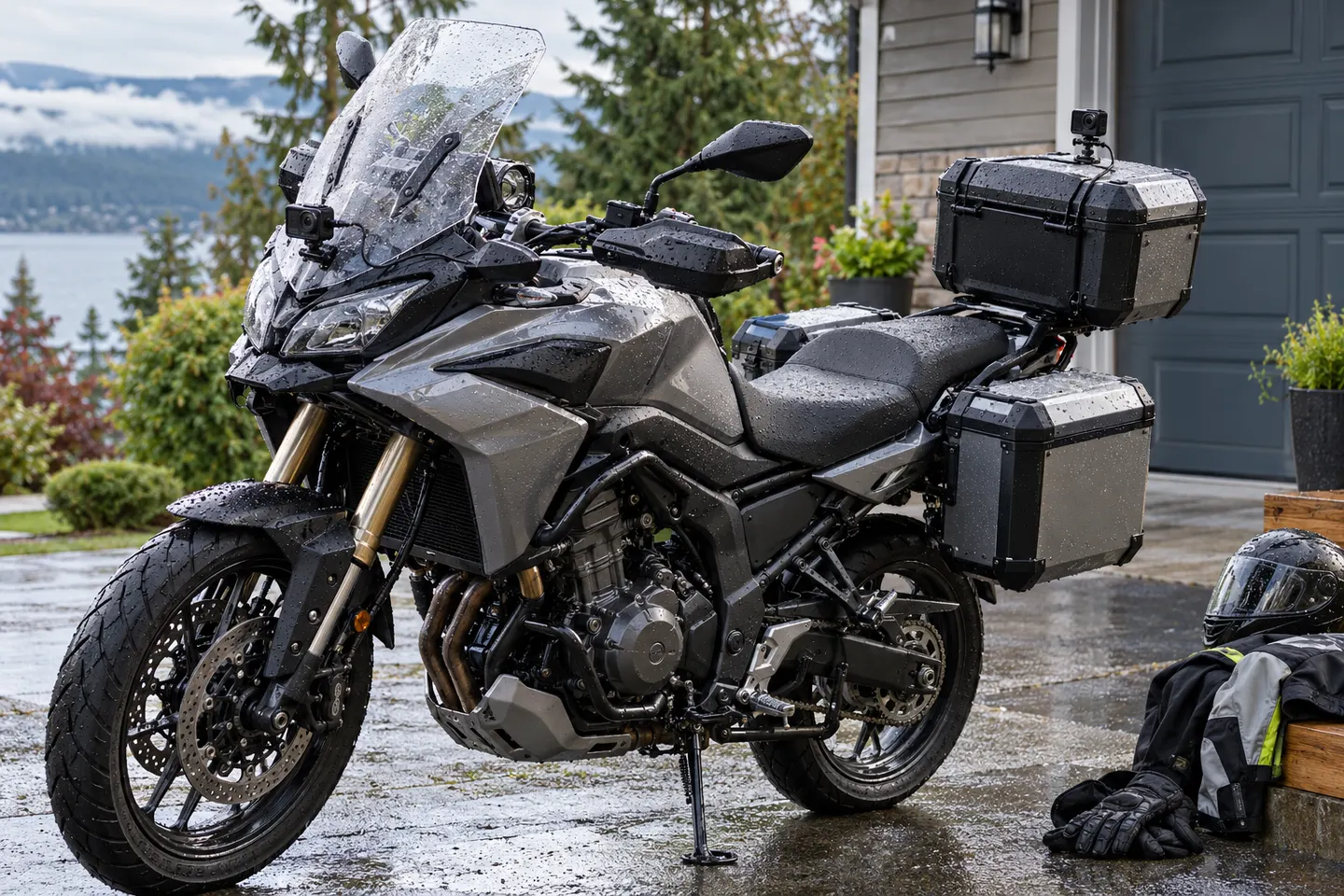
Choose rigid positions with a clear view and no conflict with steering, suspension, lights or heat. Verify that cables cannot snag or rub through.
Should a motorcycle dash cam have front and rear cameras?
Dual coverage records events approaching from either direction and is useful on a bike. It adds installation work, storage demand and another lens to keep clean.
Will a motorcycle dash cam drain the battery?
A correctly installed ignition-switched system should shut down as designed. Parking recording or incorrect wiring can increase drain, so follow the maker's power and cut-off guidance.