




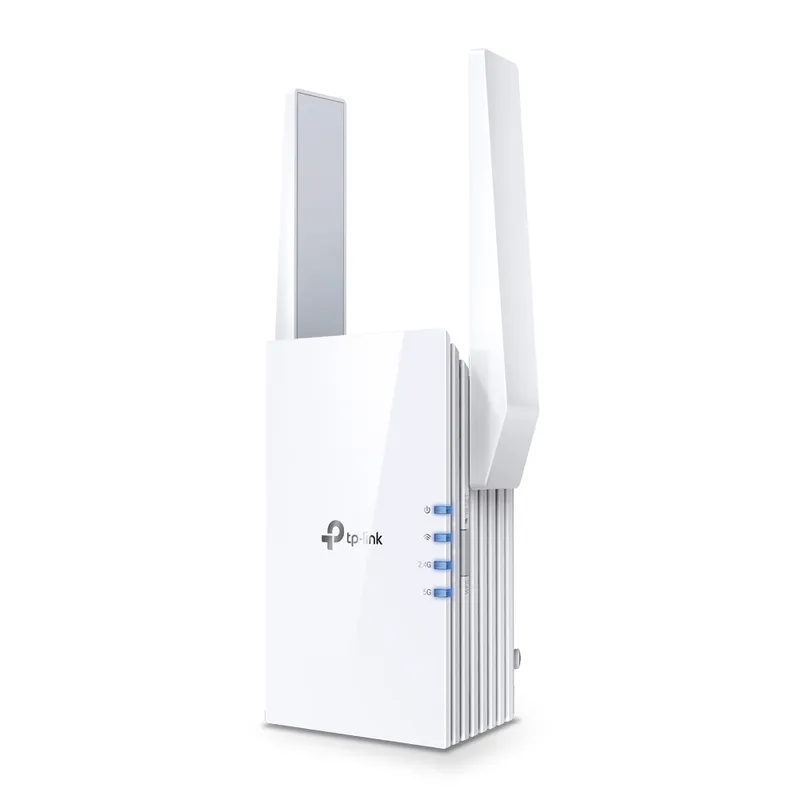
 Official manufacturer image
Our picks
Top picks
Official manufacturer image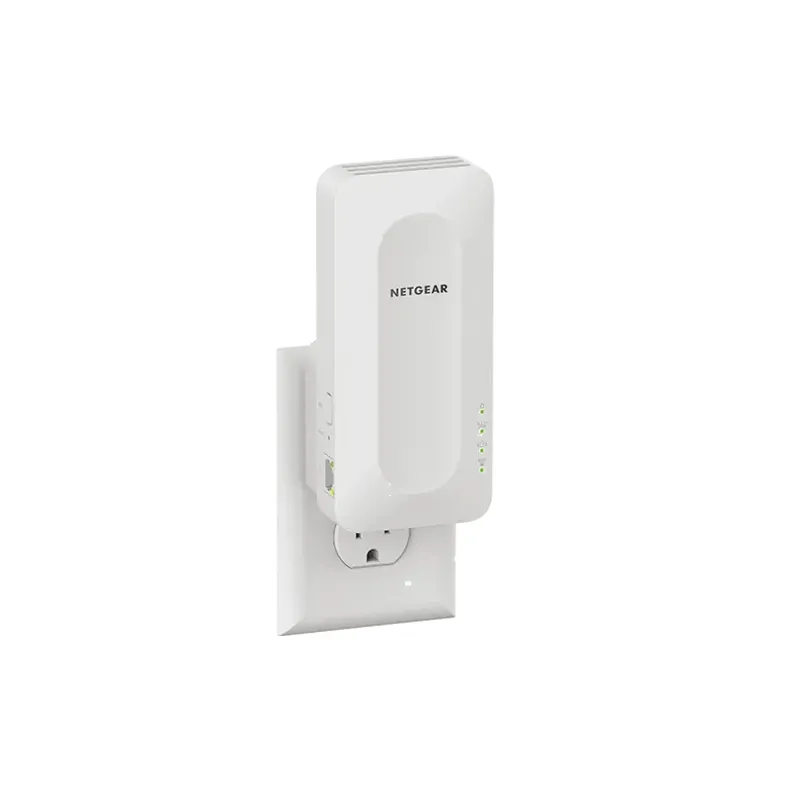 Official manufacturer image
NETGEAR EAX15
Check price on Amazon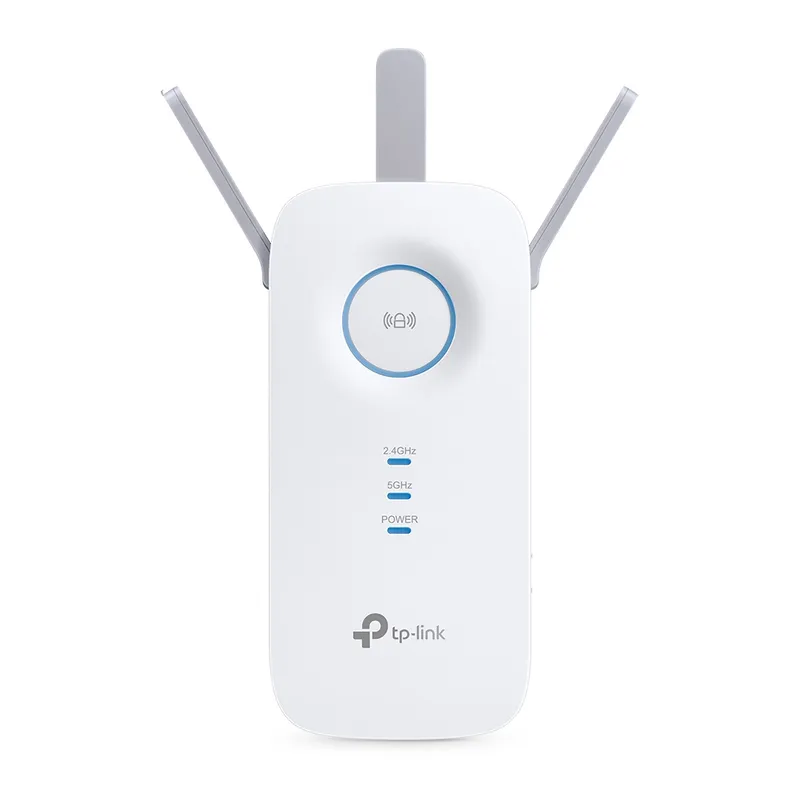 Official manufacturer image
TP-Link RE550
Check price on AmazonCommon questions
Questions before you buy
How can I extend WiFi to my backyard?
Place a compatible extender where it still receives a reliable signal and can reach the outdoor area, or use an outdoor-rated access point with a suitable wired backhaul. Walls, trees and distance affect coverage, so check the connection at the target spot.
Can I put a regular WiFi extender outside?
Only if the manufacturer rates that specific model for the conditions where it will be installed. Most indoor plug-in products should be kept indoors and protected as their instructions require.
Will a WiFi extender reach a detached garage?
It depends on the distance, construction and signal at the extender’s location. A wired outdoor access point or another network design may be more dependable when the building is far from the router.
Is an outdoor access point better than an extender?
An outdoor access point is designed to provide WiFi from an outdoor installation and commonly uses Ethernet backhaul. An extender is convenient when it can relay a strong existing wireless signal; choose based on mounting, weather rating and available cabling.