




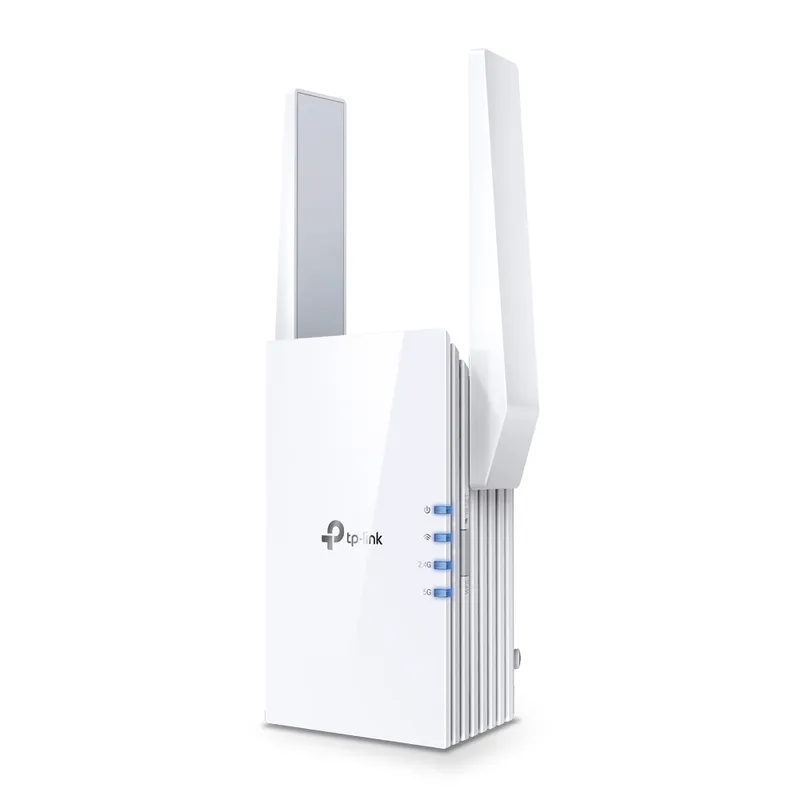
 Official manufacturer image
Our picks
Top picks
Official manufacturer image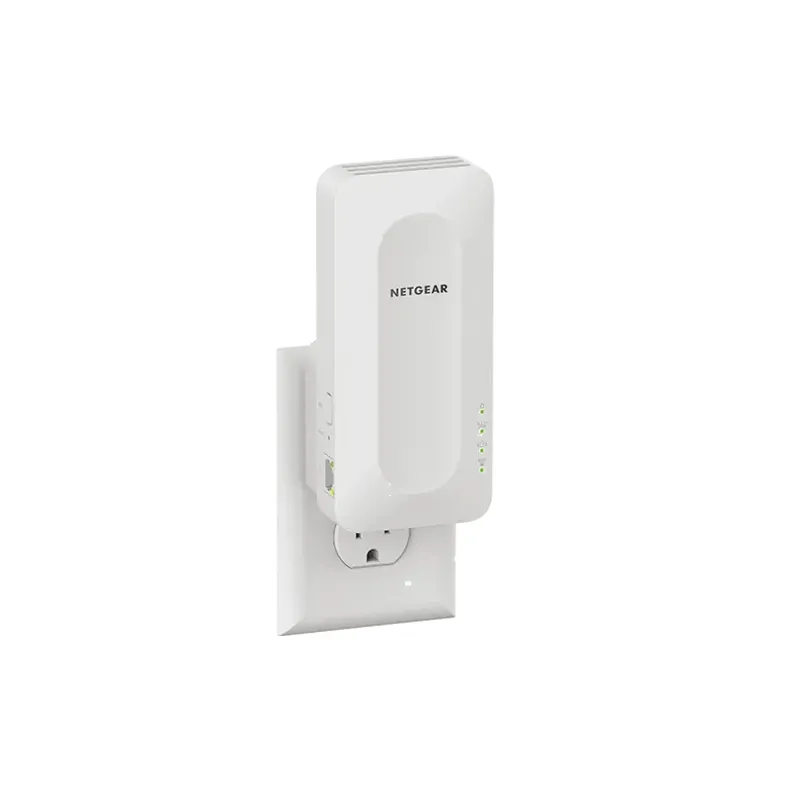 Official manufacturer image
NETGEAR EAX15
Check price on Amazon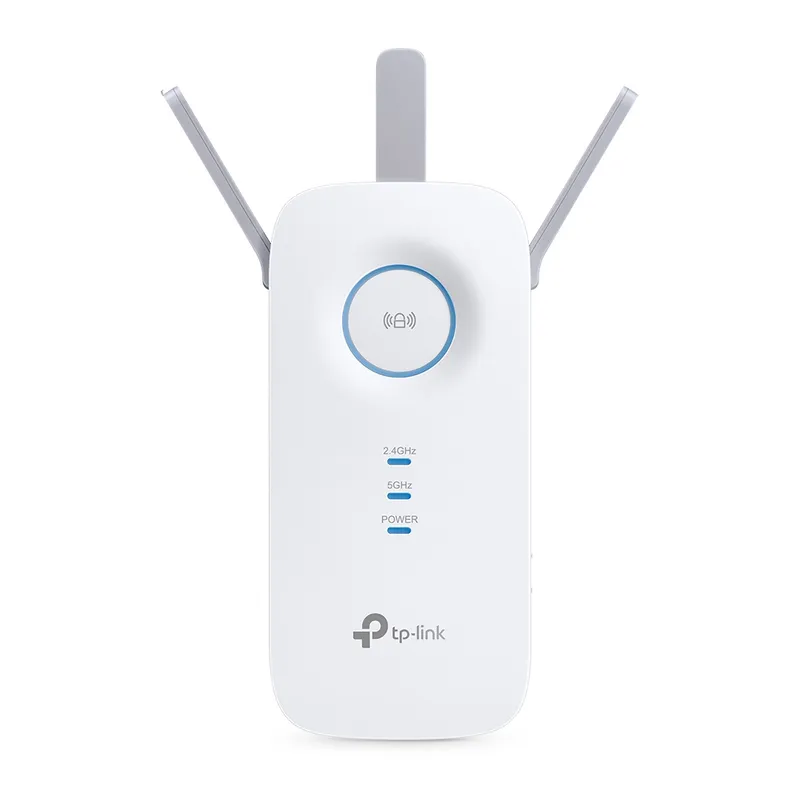 Official manufacturer image
TP-Link RE550
Check price on AmazonCommon questions
Questions before you buy
What is the best Wi-Fi booster for an RV?
It depends on the source: choose a repeater or travel router for campground Wi-Fi, a cellular hotspot for mobile service, or an extender when a nearby router signal already exists.
Can an RV Wi-Fi extender connect to campground Wi-Fi?
A device with a compatible client or repeater mode may connect to campground Wi-Fi. Public networks may require a captive-portal sign-in, so verify that function in the manufacturer documentation.
Does an RV Wi-Fi booster work without internet?
An extender can relay a local Wi-Fi network but cannot supply an internet connection by itself. Internet access requires a working source such as campground Wi-Fi or cellular service.
Can I use a regular home extender in an RV?
It may work if the router or hotspot uses compatible Wi-Fi, but check power, movement, mounting and setup requirements. Travel routers can provide modes designed for changing networks.