



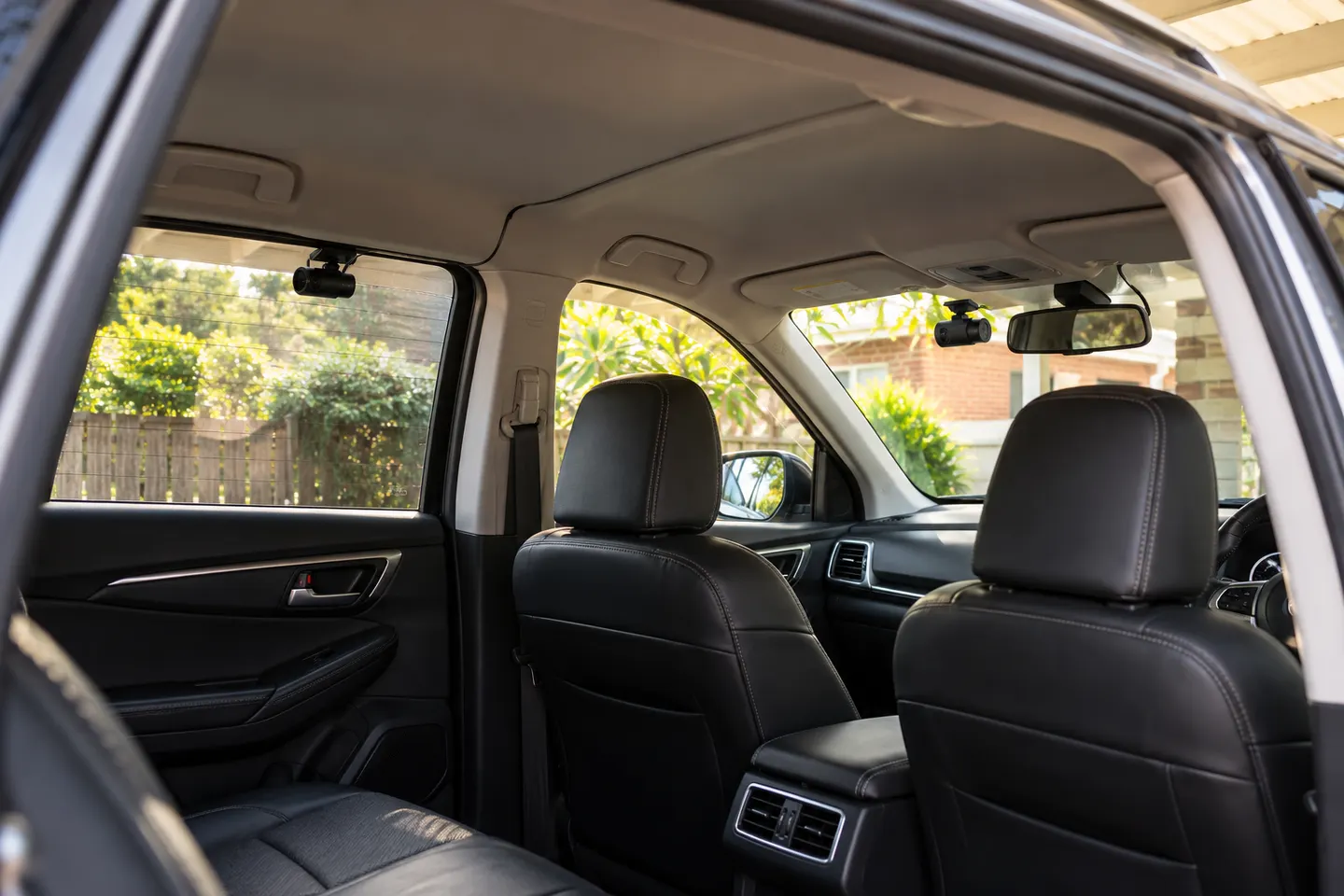
Best Front and Rear Dash Cam Systems in Australia
VIOFO A229 Pro 2CH is our top front-and-rear choice for its 4K and 2K pairing. BlackVue DR970X Box-2CH Plus favours concealed hardware, while 70mai A510 is the simpler alternative.
Start here
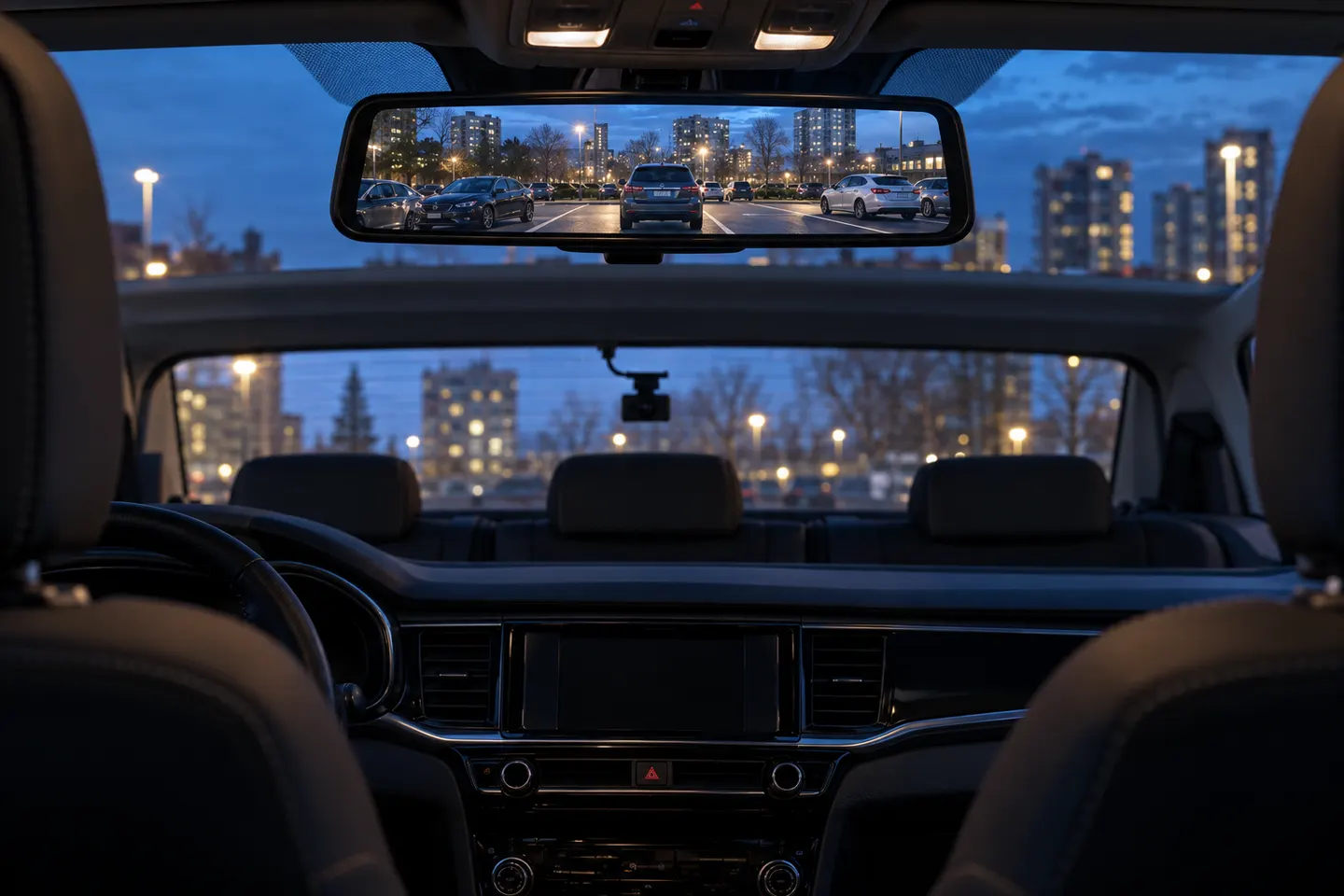
VIOFO A229 Pro 2CH is our top front-and-rear choice for its 4K and 2K pairing. BlackVue DR970X Box-2CH Plus favours concealed hardware, while 70mai A510 is the simpler alternative.
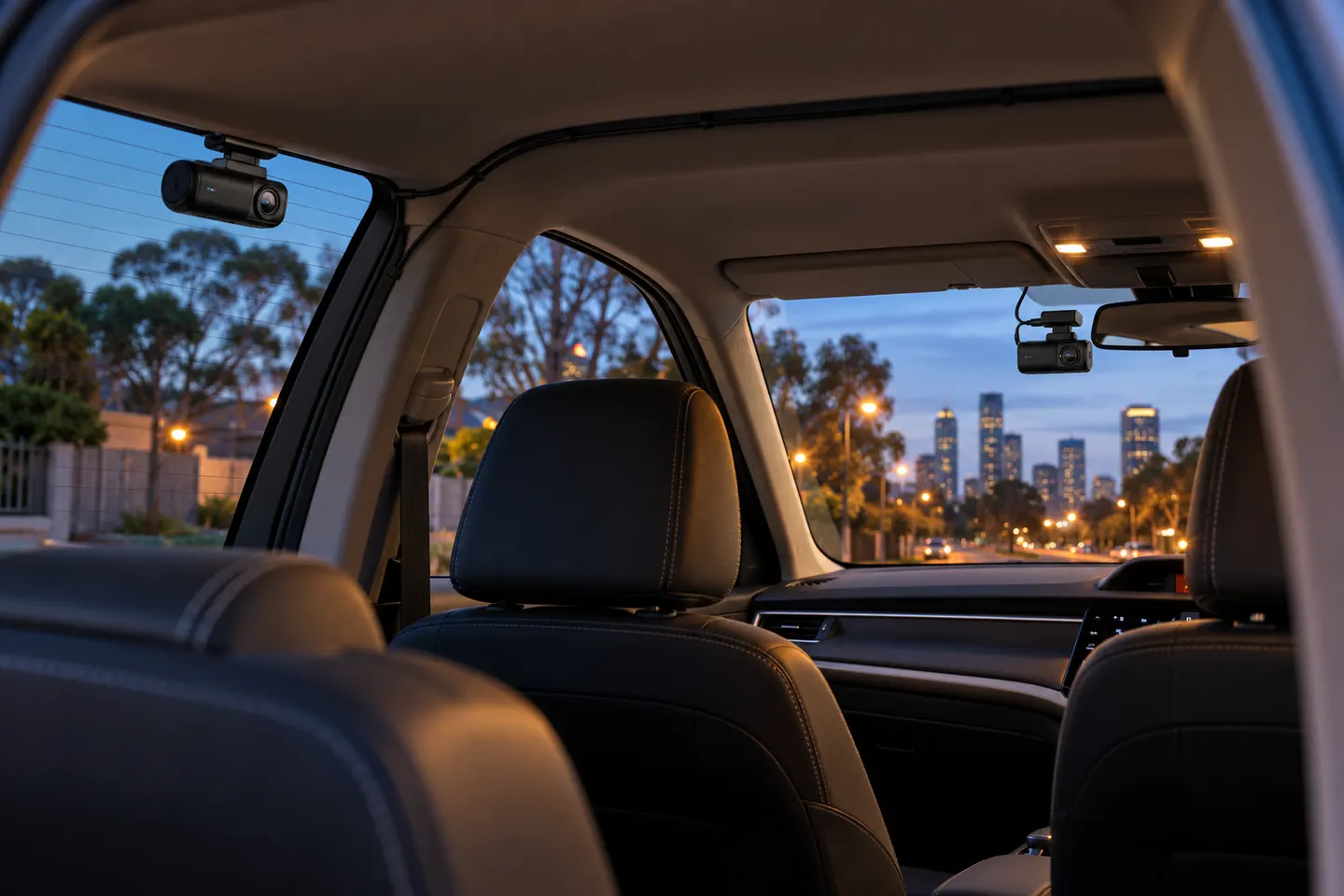
BlackVue DR970X-2CH Plus II is our lead choice for strong Australian support and 4K front recording. Choose VIOFO for 2K rear detail or Thinkware when parking surveillance is the priority.
Our picks
 Official manufacturer image
 Official manufacturer image
 Official manufacturer image
Best picks
VIOFO A229 Pro 2CH is our top front-and-rear choice for its 4K and 2K pairing. BlackVue DR970X Box-2CH Plus favours concealed hardware, while 70mai A510 is the simpler alternative.
BlackVue DR970X-2CH Plus II is our lead choice for strong Australian support and 4K front recording. Choose VIOFO for 2K rear detail or Thinkware when parking surveillance is the priority.
Common questions
Not necessarily. A reversing camera is primarily a live parking aid, while a rear dash camera records journey footage; some mirror systems perform both roles.
It can if the system supports parking mode and has a suitable power supply. Recording behaviour varies by model and may use impact, motion or time-lapse triggers.
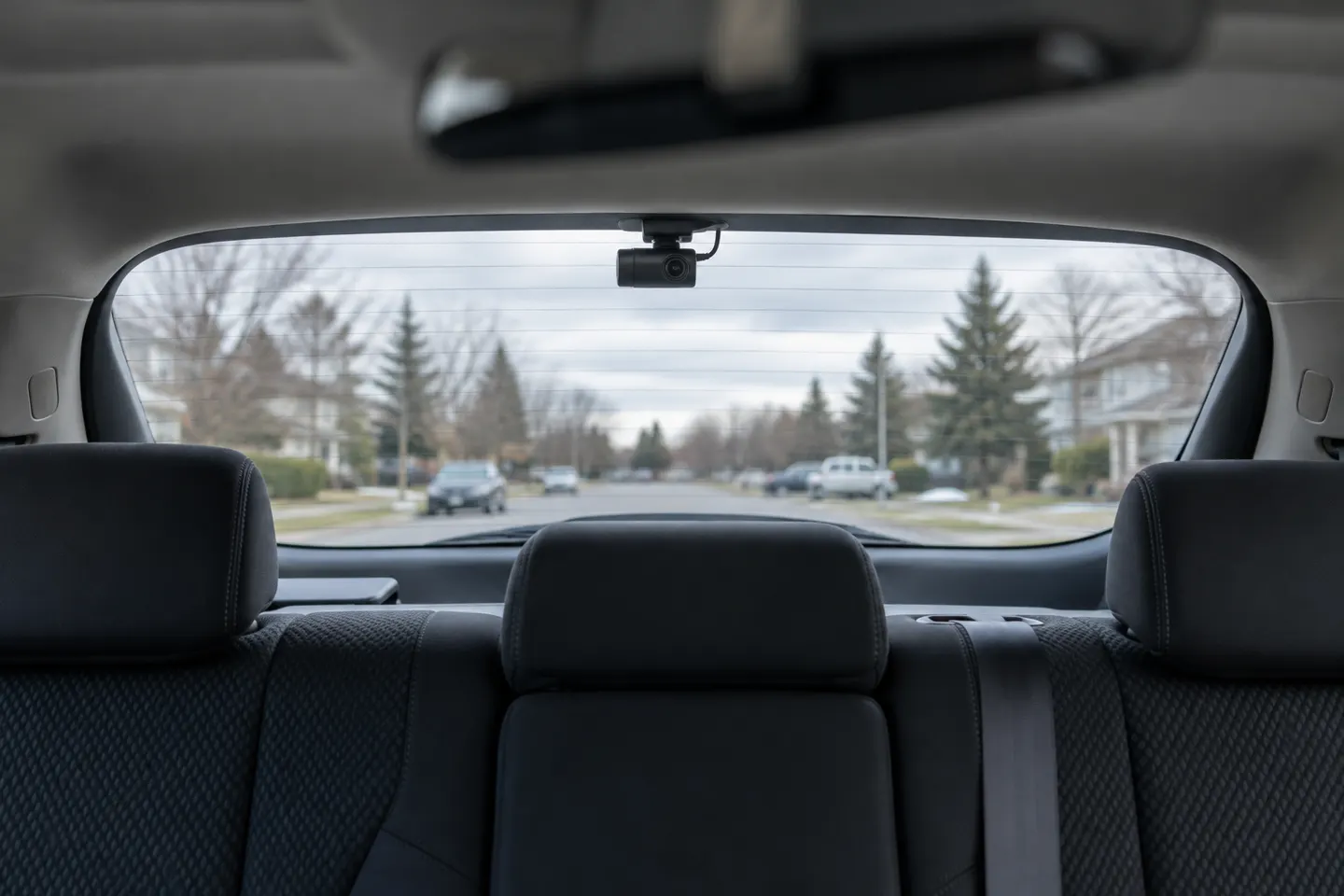
Most cabin cameras sit high on the rear glass without blocking the driver's view. External cameras require weatherproof mounting and a route that protects the cable.
On some systems, enabling a second channel changes available frame rates or bitrates; on others it does not. Check the paired recording specification, not only the headline front resolution.
 Front rear
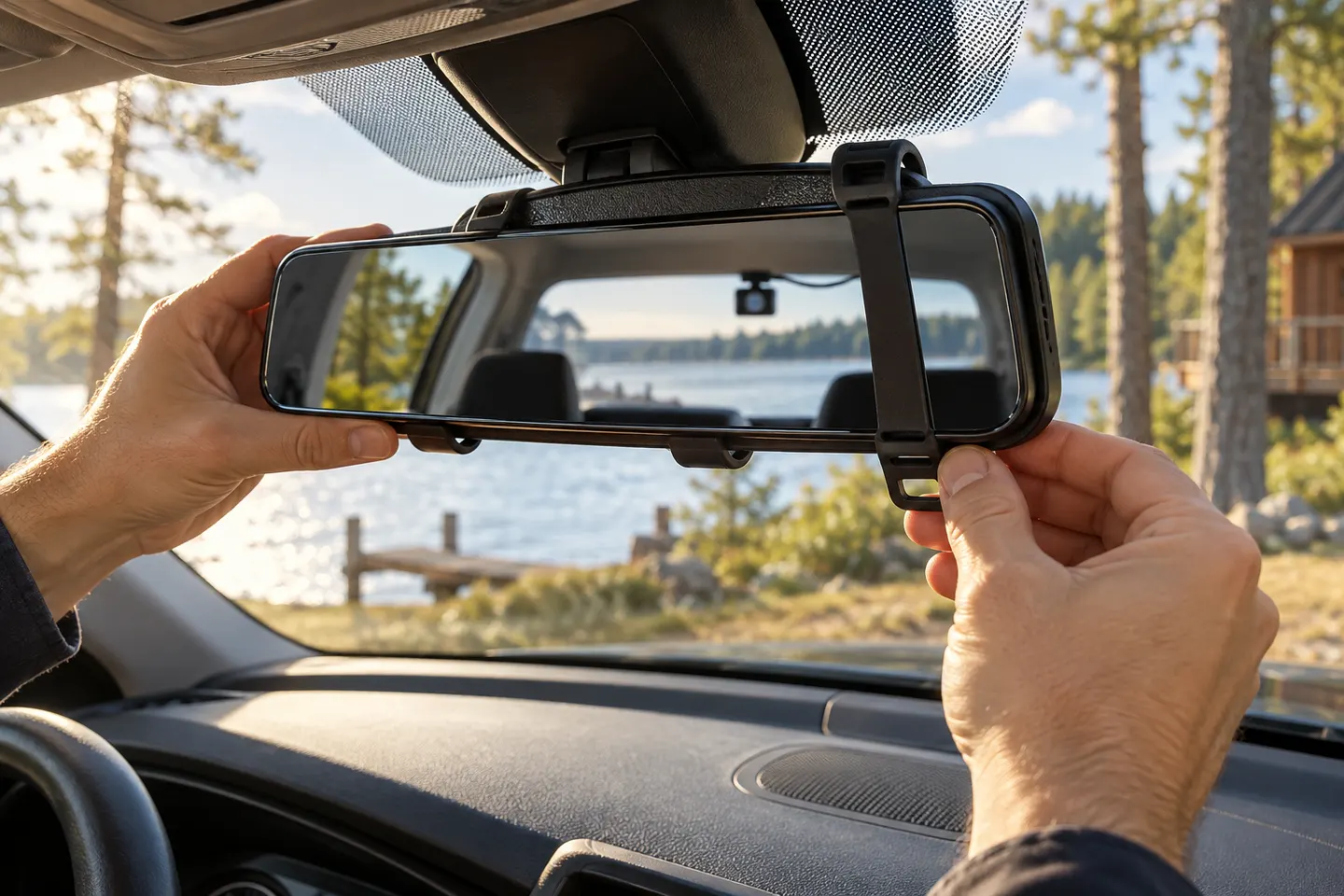 Rear view mirror
 Rear
Rear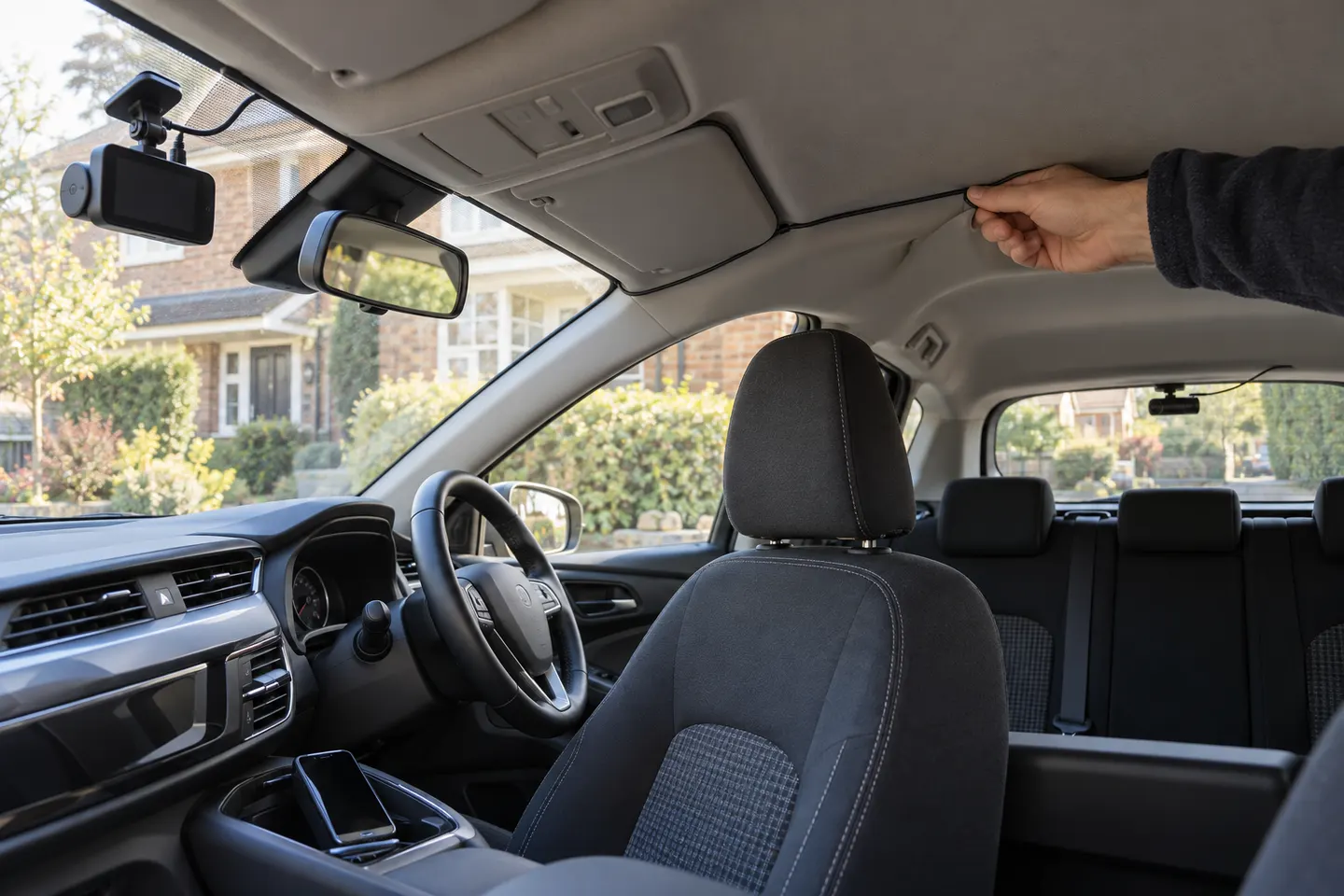 Front rear wireless