




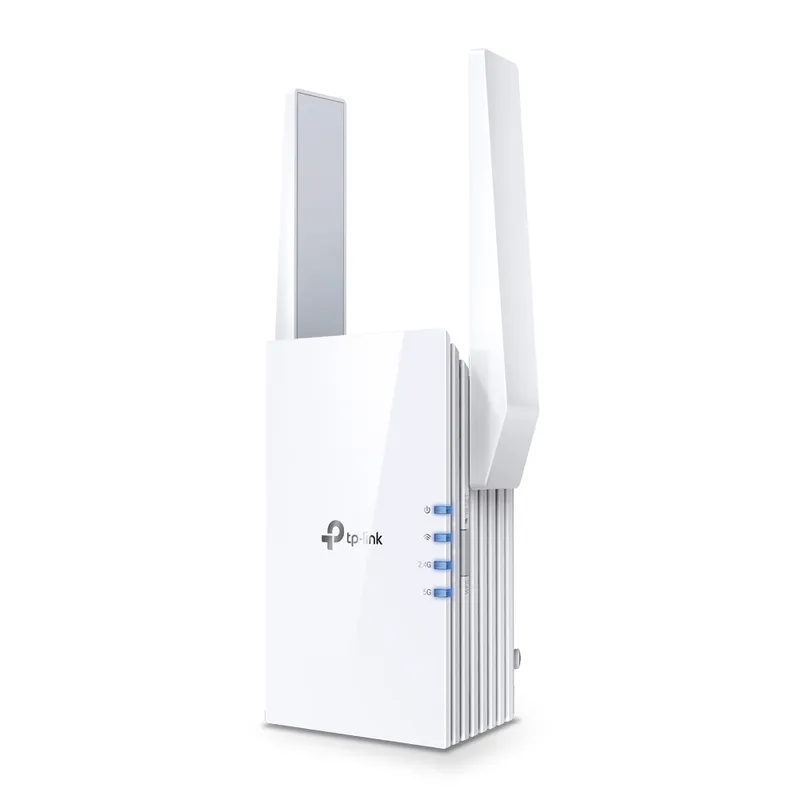
 Official manufacturer image
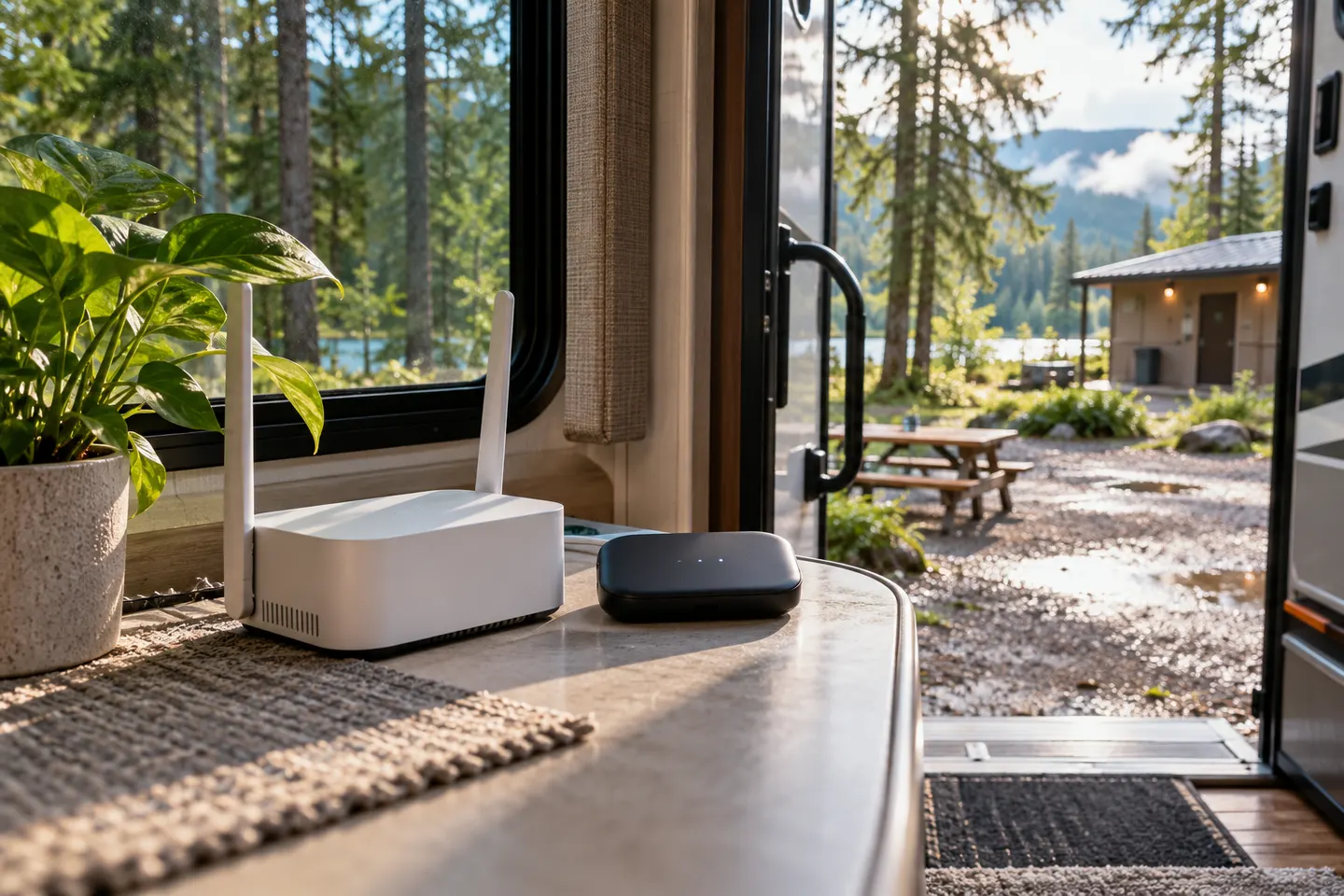
Our picks
Top picks
Official manufacturer image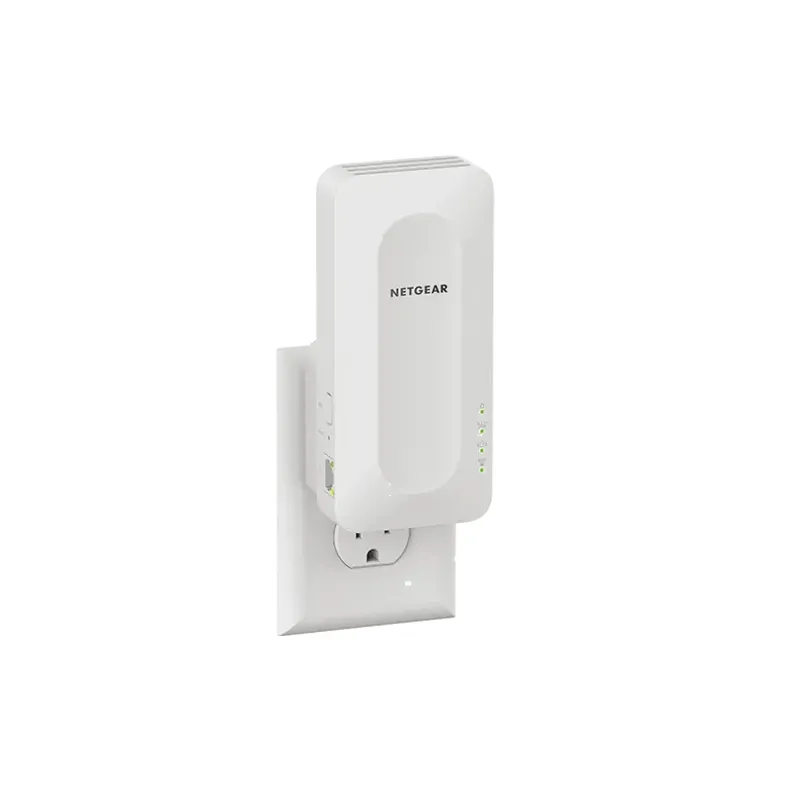 Official manufacturer image
NETGEAR EAX15
Check price on Amazon.ca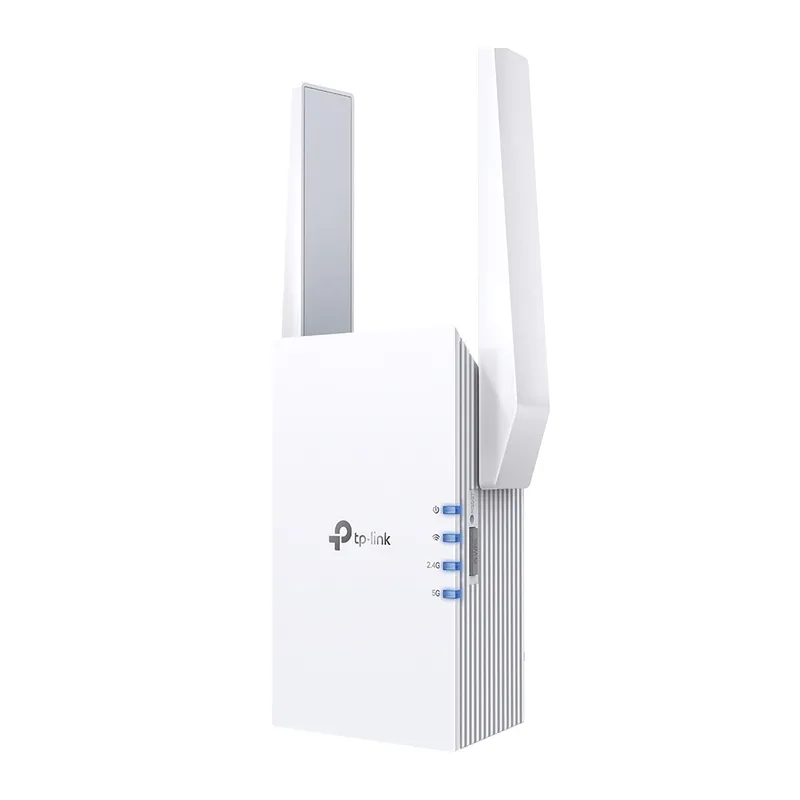 Official manufacturer image
TP-Link RE605X
Check price on Amazon.caCommon questions
Questions before you buy
What is the difference between an RV Wi-Fi booster and a cellular booster?
A Wi-Fi booster receives and repeats a Wi-Fi network. A cellular booster improves a compatible cellular radio link; it does not extend campground Wi-Fi.
Will a Wi-Fi booster work at an RV park?
It can help receive a campground Wi-Fi signal if the system supports the network and any captive portal login. Site congestion, distance and obstructions still affect the connection.
Can I use a home Wi-Fi extender in an RV?
A standard extender may work with a nearby Wi-Fi router, but its indoor design and power requirements may not suit outdoor mounting or campground reception. Check the model’s intended use.
Is a directional RV Wi-Fi antenna better?
Directional equipment can focus reception toward a known access point, but it requires aiming and a compatible system. An omnidirectional setup may be easier when the signal direction changes.