




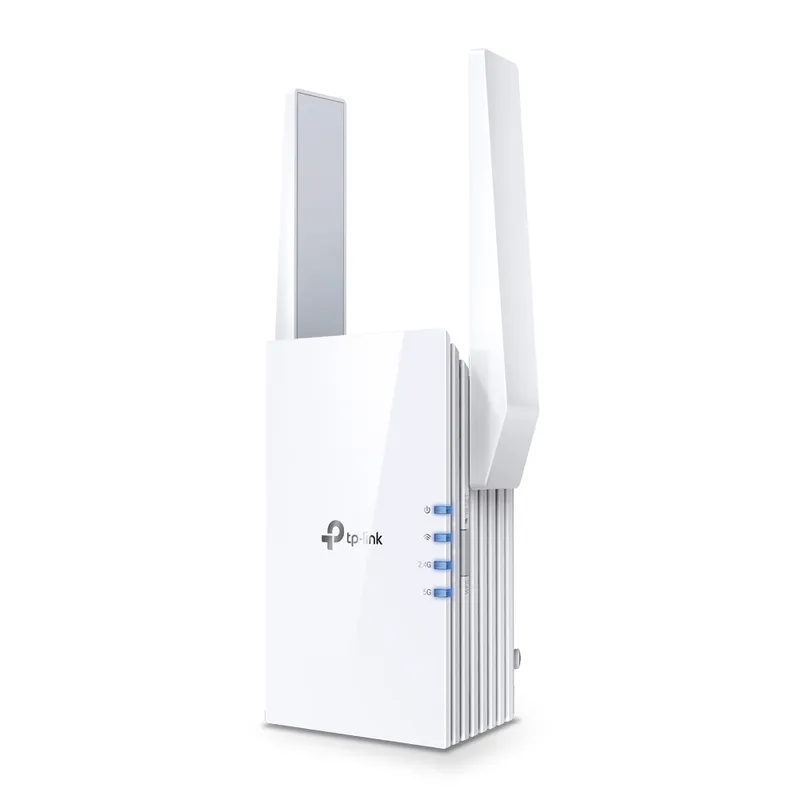
 Official manufacturer image
Our picks
Top picks
Official manufacturer image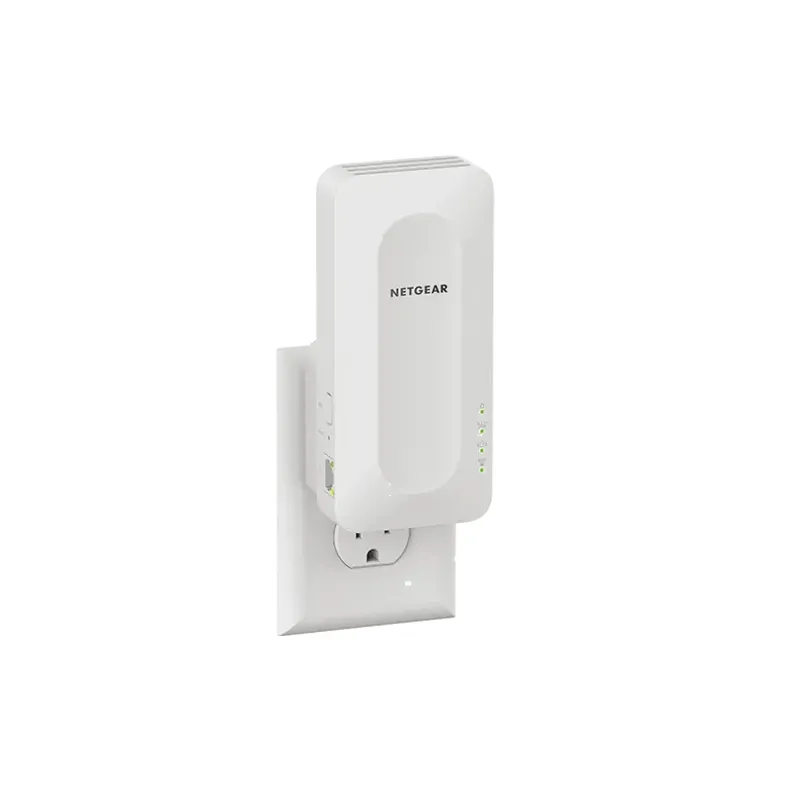 Official manufacturer image
NETGEAR EAX15
Check price on Amazon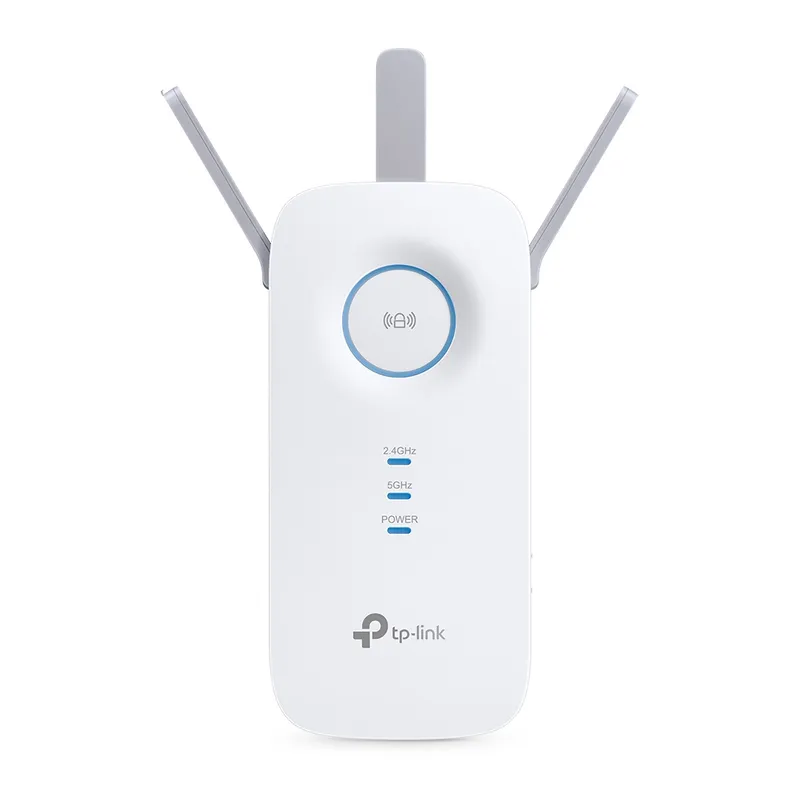 Official manufacturer image
TP-Link RE550
Check price on AmazonHead to head
Comparisons
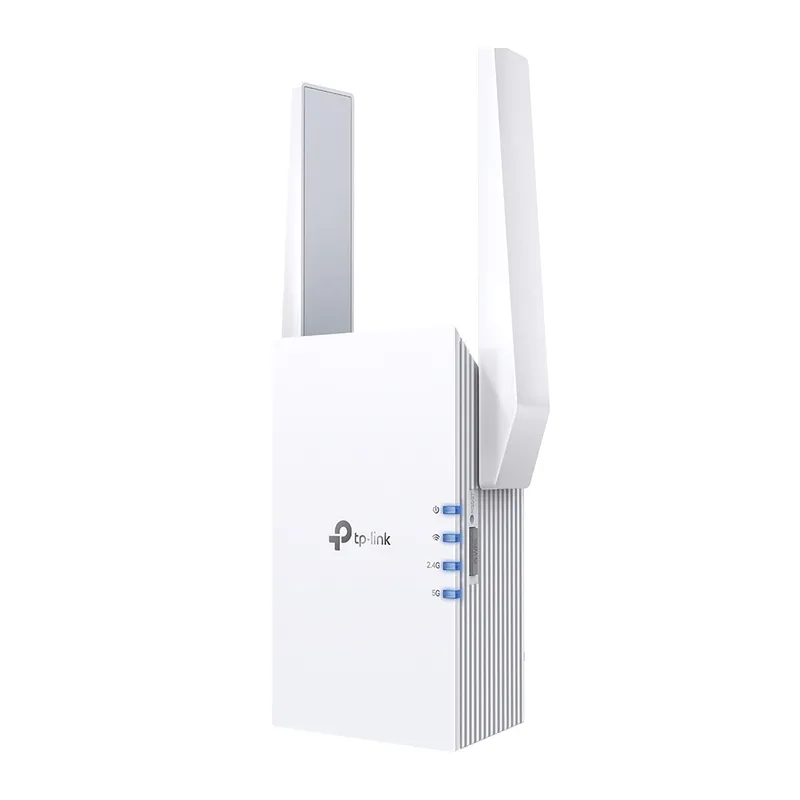
Access Point vs WiFi Extender: Which Setup Should You Choose?
Choose an access point when Ethernet to the router is practical. Choose an extender when a wireless relay is the convenient way to reach a nearby weak area.
Read more →Common questions
Questions before you buy
What is the difference between a WiFi access point and an extender?
An access point creates Wi-Fi from a wired network connection. A range extender receives Wi-Fi wirelessly and rebroadcasts it, so it depends on a usable signal at its placement point.
Is an access point better than a range extender?
An access point is often the stronger choice when you can run Ethernet to the coverage area. An extender is easier where wiring is unavailable and the router signal is still adequate.
Can a WiFi extender work as an access point?
Some models offer access-point mode through an Ethernet connection. Check the exact model documentation for supported modes and port capability.
Should I buy an access point or WiFi booster?
Choose an access point if you can wire it to the router and want a new wireless coverage point. Choose a booster or extender for a wireless relay where the source signal remains strong enough.