




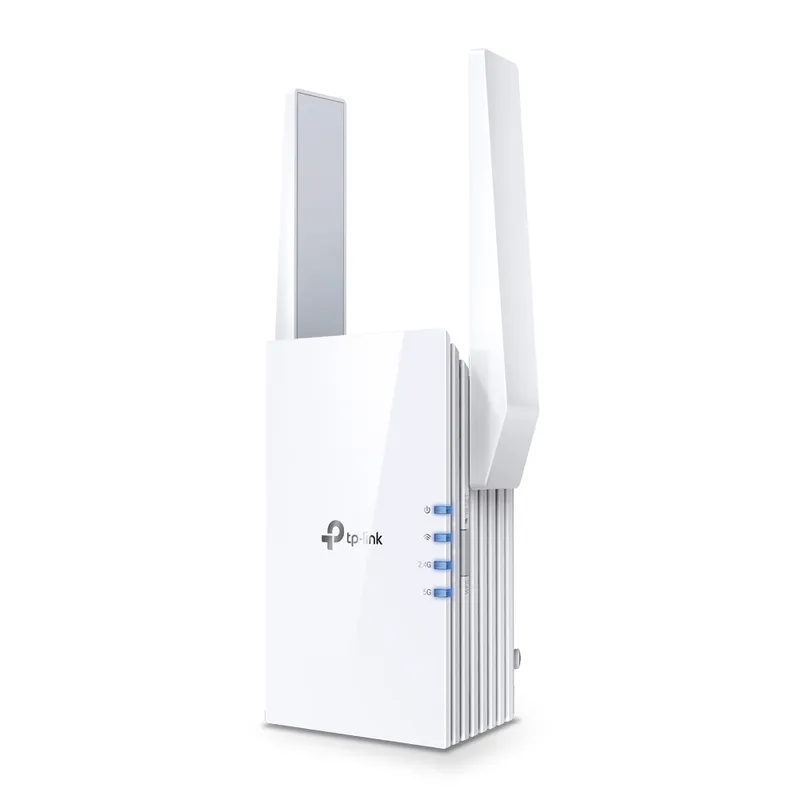
 Official manufacturer image
Our picks
Top picks
Official manufacturer image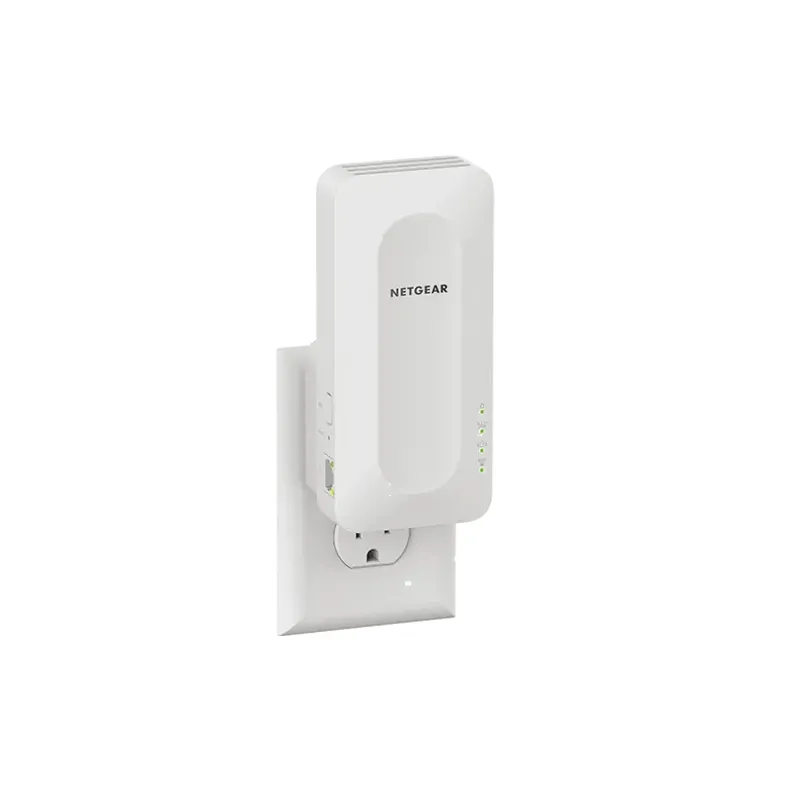 Official manufacturer image
NETGEAR EAX15
Check price on Amazon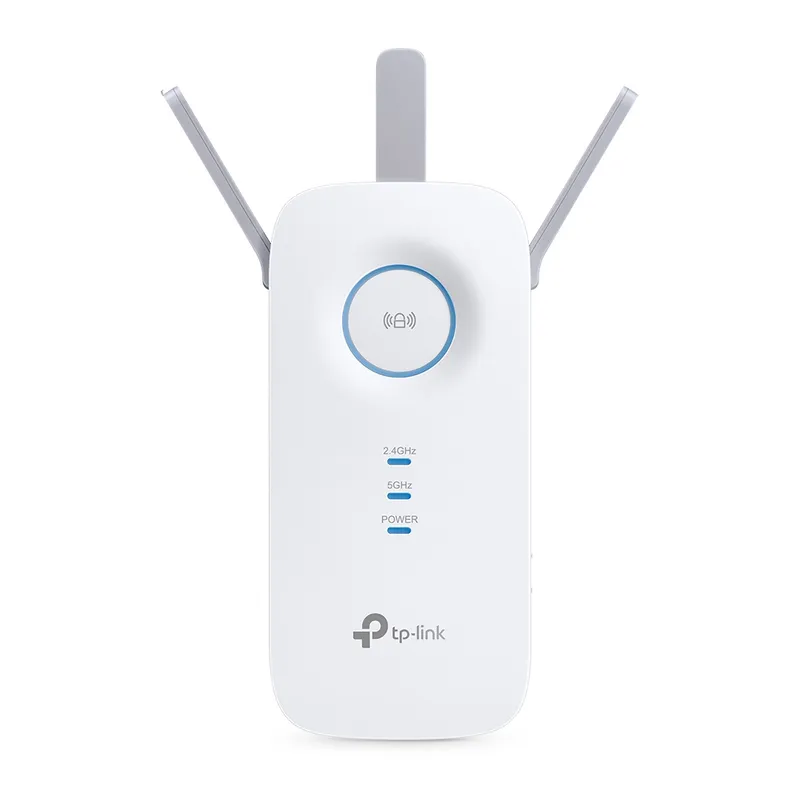 Official manufacturer image
TP-Link RE550
Check price on AmazonCommon questions
Questions before you buy
Where should I put a Wi-Fi extender in an apartment?
Place it between the router and the weak-signal room, where it can still receive a stable router signal. Avoid hiding it behind furniture or placing it in the dead zone itself.
Do Wi-Fi extenders work in apartments?
They can help when a particular room has weak coverage and the extender receives a usable signal from the router. Congested neighboring networks and dense walls can still limit results.
Is a mesh system better than an extender for an apartment?
A single extender is a simpler fit for one small dead zone. Mesh may make more sense when coverage is weak in several rooms or you want coordinated roaming; check whether your router can join the mesh system.
Can an extender improve Wi-Fi through apartment walls?
It can rebroadcast a signal into a nearby area, but it cannot remove interference or make a poor router connection strong. Test placement on the open side of the wall first.