




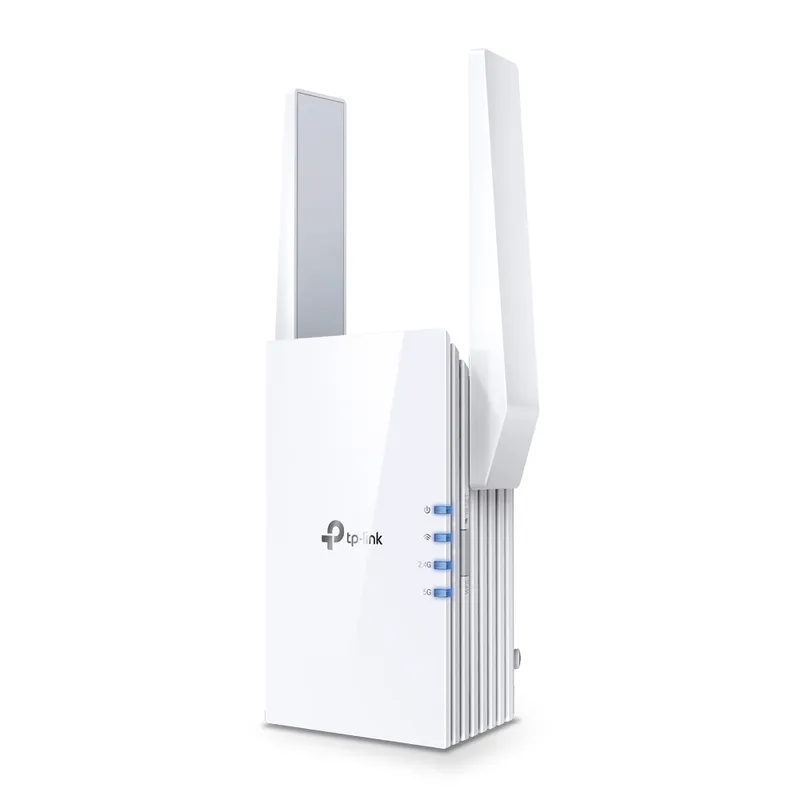
 Official manufacturer image
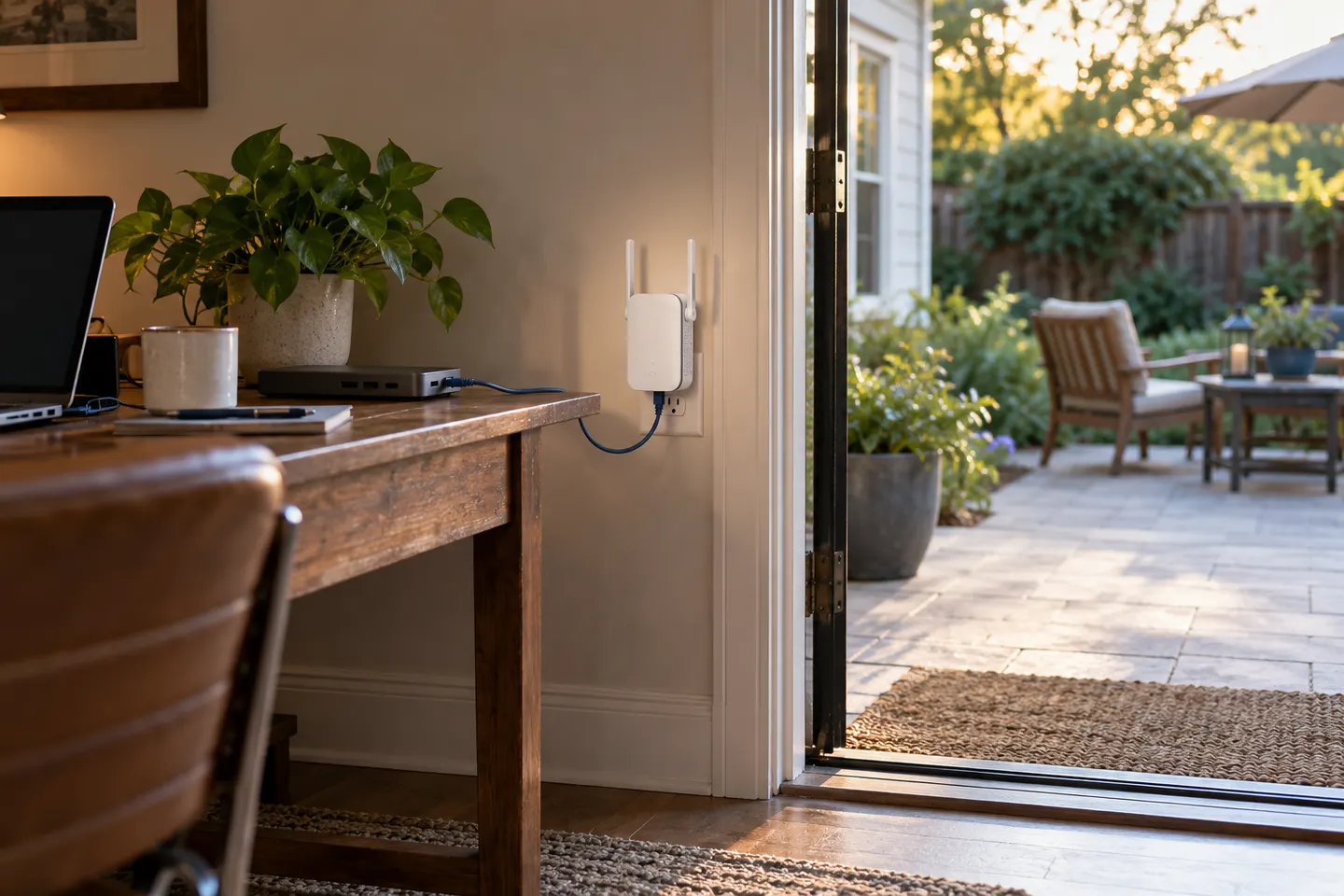
Our picks
Top picks
Official manufacturer image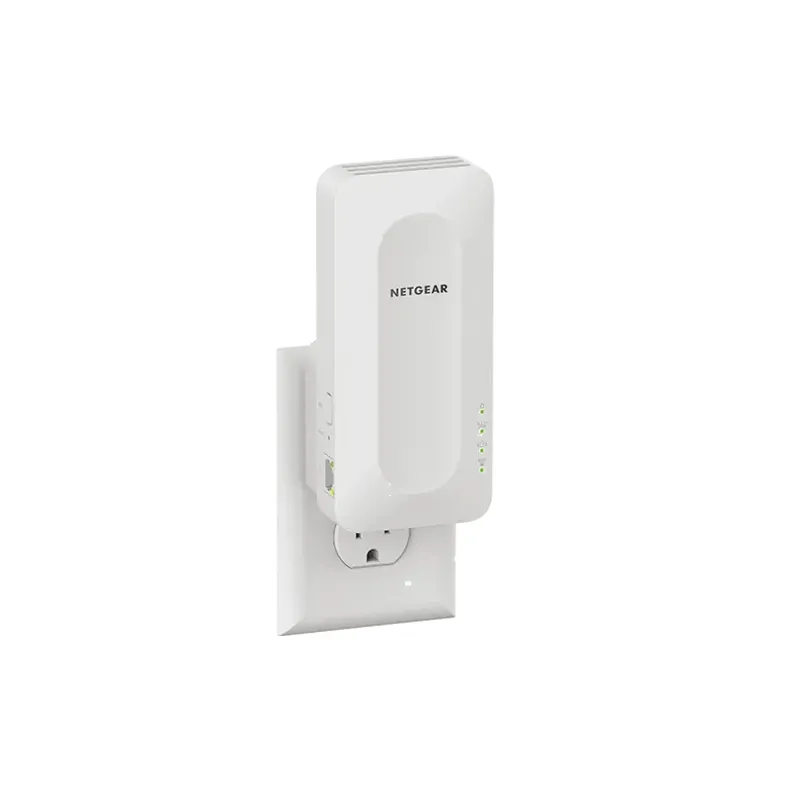 Official manufacturer image
NETGEAR EAX15
Check price on Amazon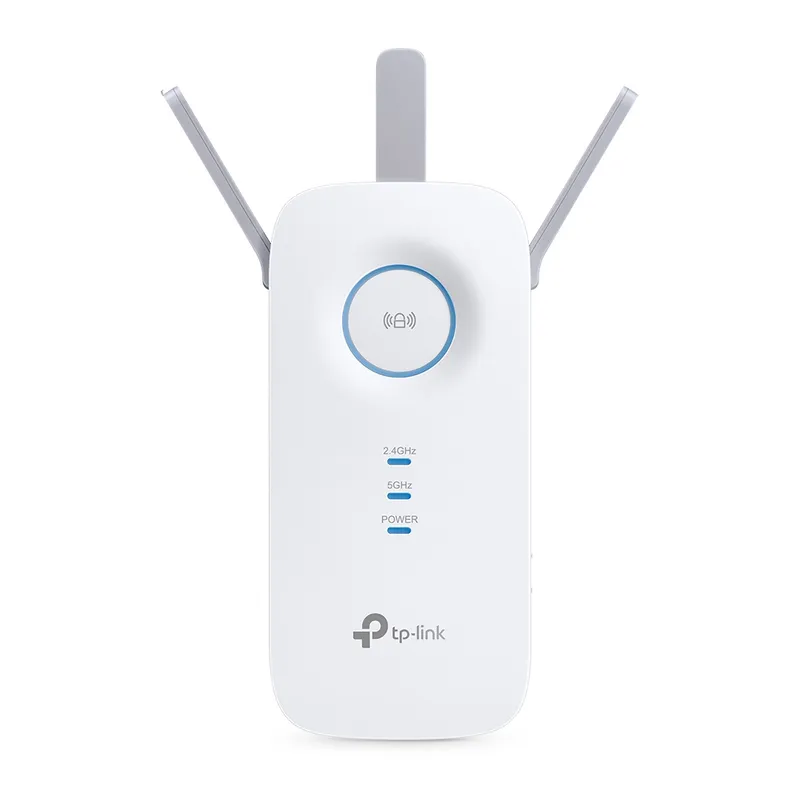 Official manufacturer image
TP-Link RE550
Check price on AmazonCommon questions
Questions before you buy
What is the application of a WiFi range extender?
It relays an existing WiFi network into an area with weak coverage. Some models add access point mode when connected to the router by Ethernet.
Can an extender work as a WiFi access point?
Some models can. Check the product specification for AP mode and Ethernet requirements; an access point usually uses a wired uplink.
Is WiFi extender application software required?
Not always. Setup may be available through an app, a browser, or WPS, depending on the model. The software app is not the same as the extender network role.
Can an indoor extender be used for outdoor WiFi?
Use equipment explicitly rated for outdoor installation. A standard indoor repeater is not designed for rain, condensation, or outdoor temperature changes.