Independent buying guidance · US editionHow we work
Gearjury
All categories
United StatesEnglish

Gearjury may earn a commission from qualifying purchases made through retailer links.

Best picks

Best WiFi Extenders for Distance and Wider Home Coverage (2026)

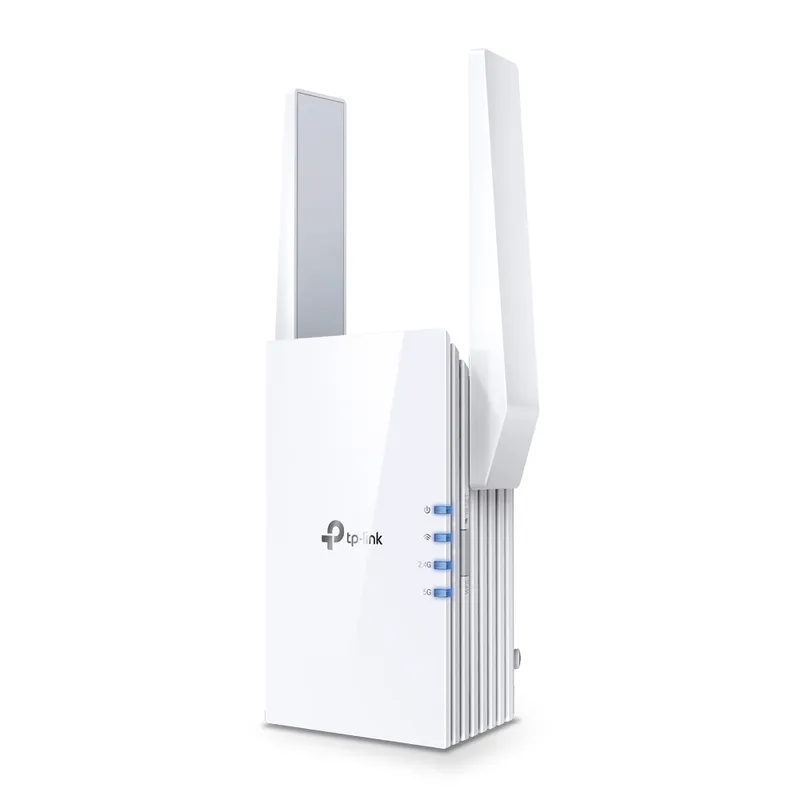
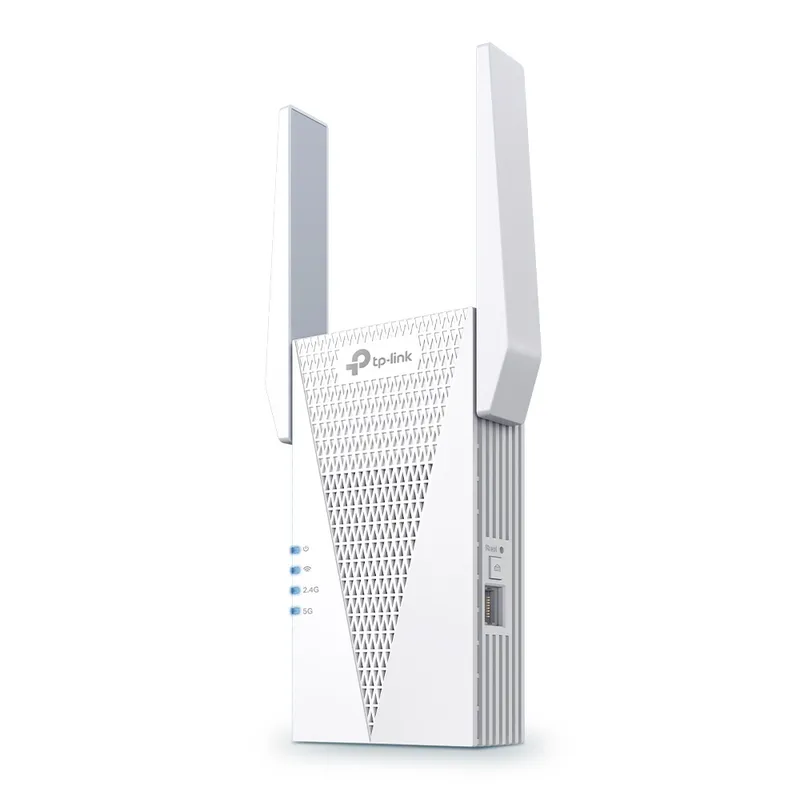
For longer coverage, start with the TP-Link RE715X for Wi-Fi 6, then consider the NETGEAR EAX80 or TP-Link RE650 for different feature sets. Actual reach depends on placement, construction and the router link.

Quick answer

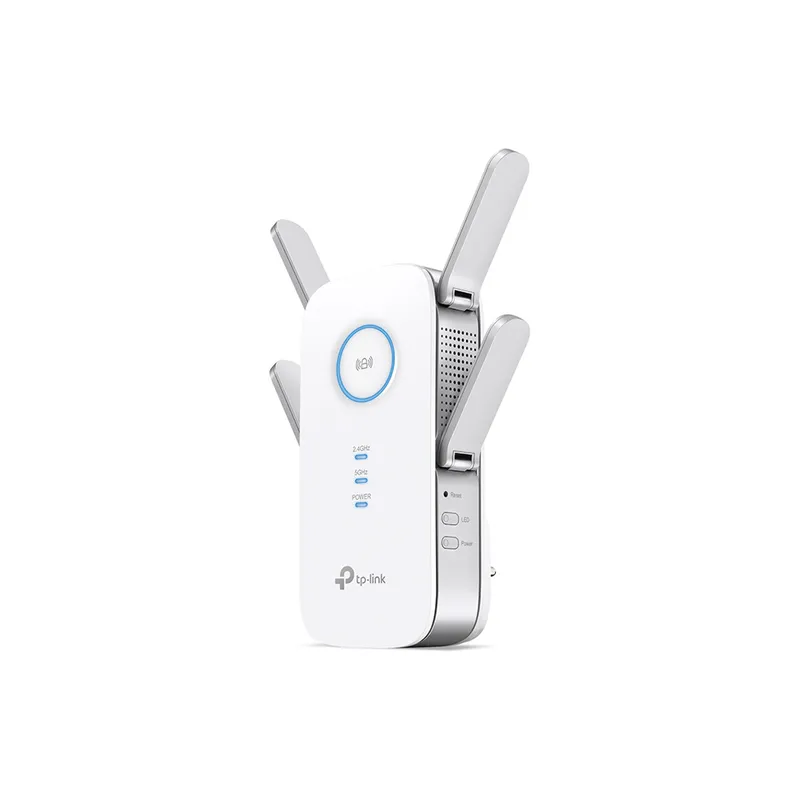
The TP-Link RE715X is our leading all-round pick here because TP-Link identifies it as a Wi-Fi 6 range extender with an Ethernet port. NETGEAR EAX80 offers a desktop format, while TP-Link RE650 is an older Wi-Fi 5 alternative with external antennas. None guarantees a fixed distance in every building.

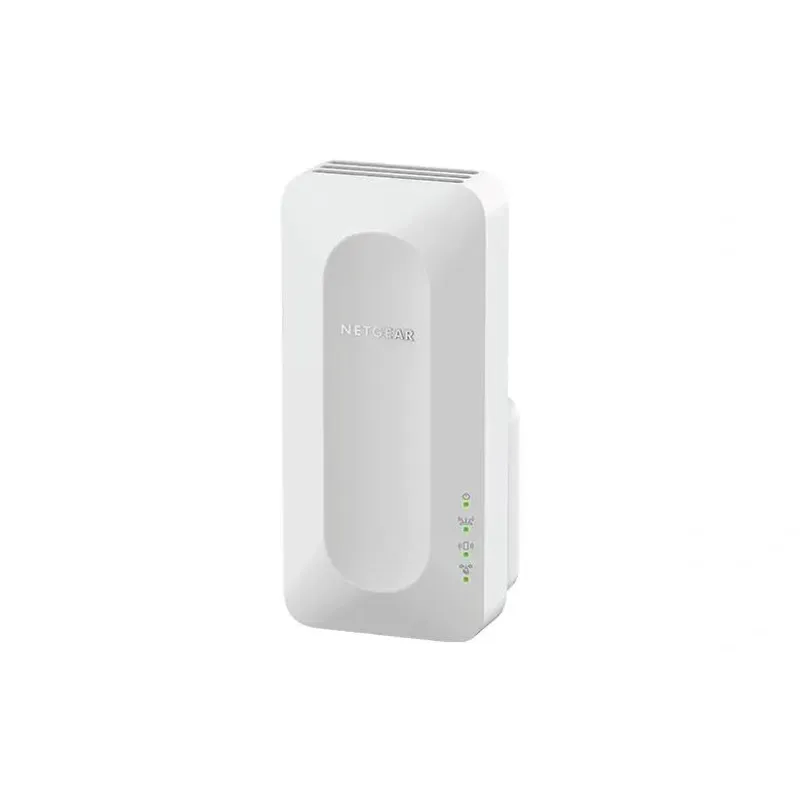
02NETGEAR EAX80Official manufacturer image

Best for a desktop Wi-Fi 6 extender

NETGEAR EAX80

  • NETGEAR lists the EAX80 as an AX6000 Wi-Fi 6 range extender.
  • Its desktop design provides a different placement option from wall-plug models.

Drawback: A desktop unit needs shelf or table space and a suitable power outlet.

Check price on AmazonSponsored link · no live price shown

Compare them side by side

TP-Link RE715XOfficial manufacturer imageTP-Link RE715XNETGEAR EAX80Official manufacturer imageNETGEAR EAX80TP-Link RE650Official manufacturer imageTP-Link RE650
Wi-Fi generationWi-Fi 6Wi-Fi 6Wi-Fi 5
ClassAX3000AX6000AC2600
FormPlug-inDesktopPlug-in
EthernetGigabit Ethernet—Gigabit Ethernet
Antenna styleInternalInternalExternal
Check price on AmazonCheck price on AmazonCheck price on Amazon

Common questions

Questions before you buy

What is the best Wi-Fi range extender for distance?

The TP-Link RE715X is a sensible starting point among these picks for a Wi-Fi 6 setup. No model guarantees a particular reach; place it where the router signal is still stable.

How far should an extender be placed from the router?

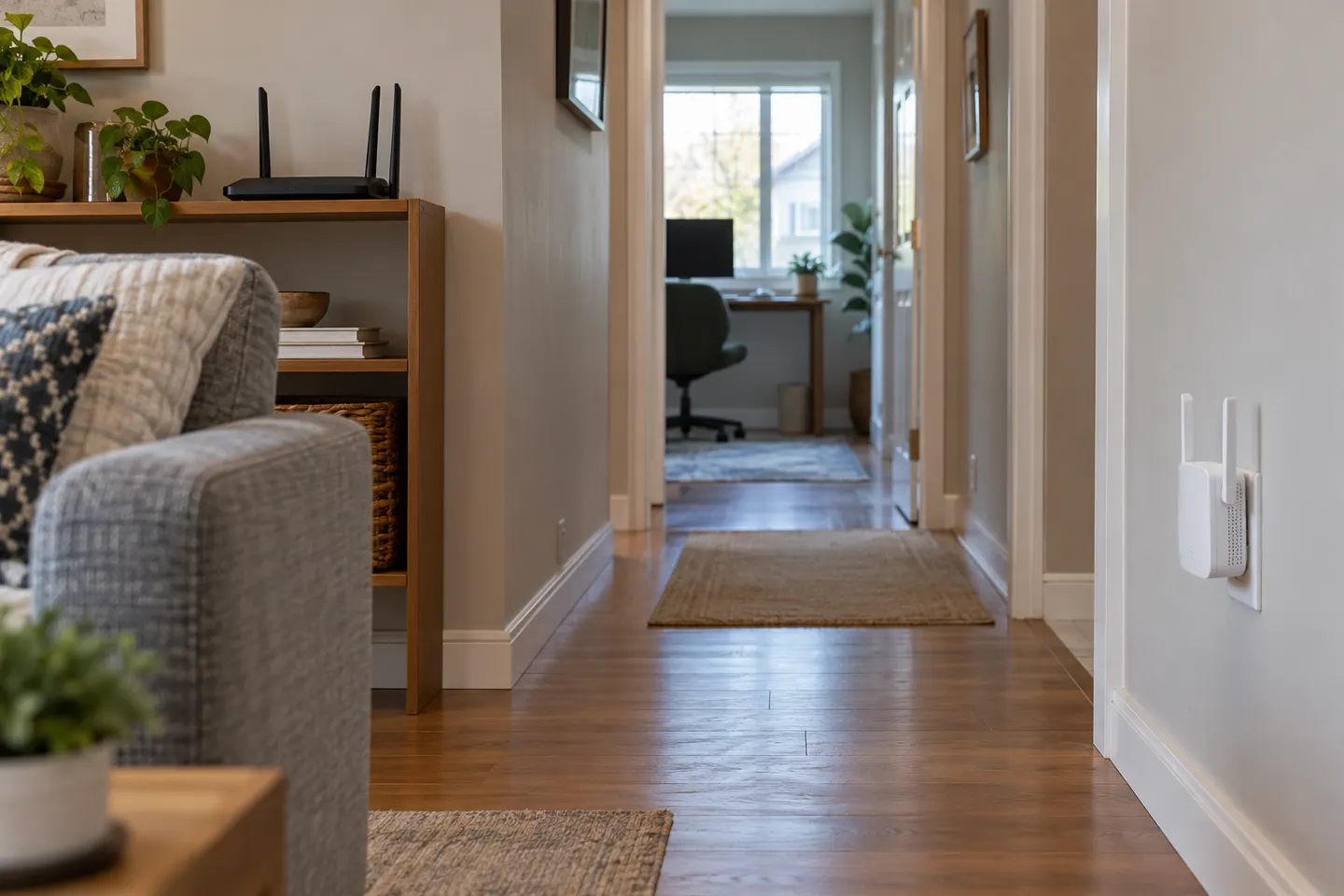
Start around halfway between the router and the weak-signal zone, while keeping a good link to the router. Walls, floors and interference can shift the ideal location.

Is a range extender better than mesh for a large home?

A single extender can address a limited dead zone, while mesh systems coordinate multiple access points across a larger layout. Compare wired backhaul options and the number of areas needing coverage.

Will an extender work through several walls?

It may connect, but masonry and other dense obstacles can reduce the signal substantially. Try a clearer placement or a wired access point if the wireless link remains weak.

Sources and how we chose