




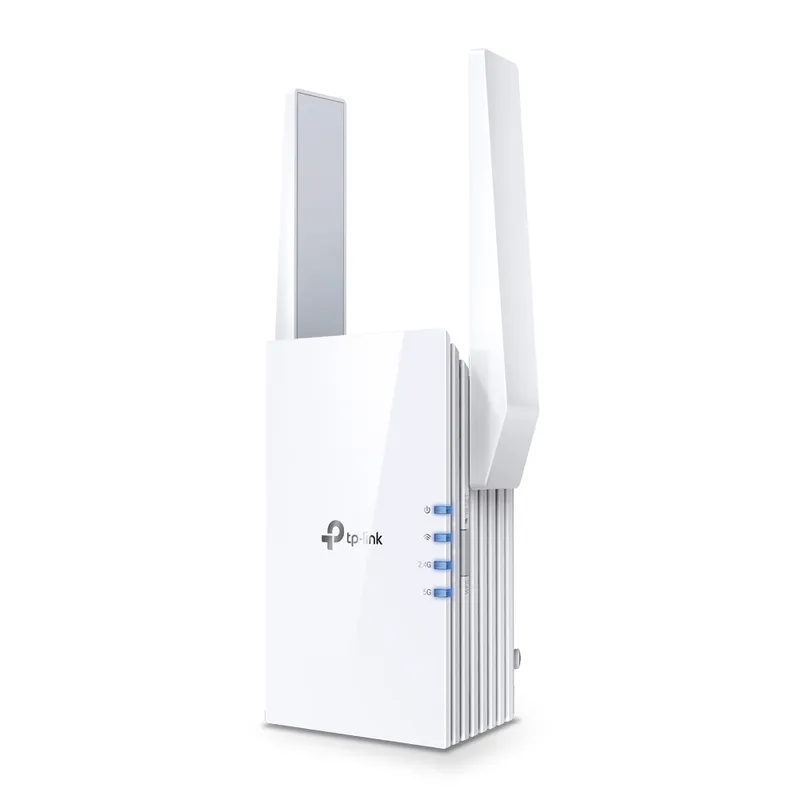
 Official manufacturer image
Our picks
Top picks
Official manufacturer image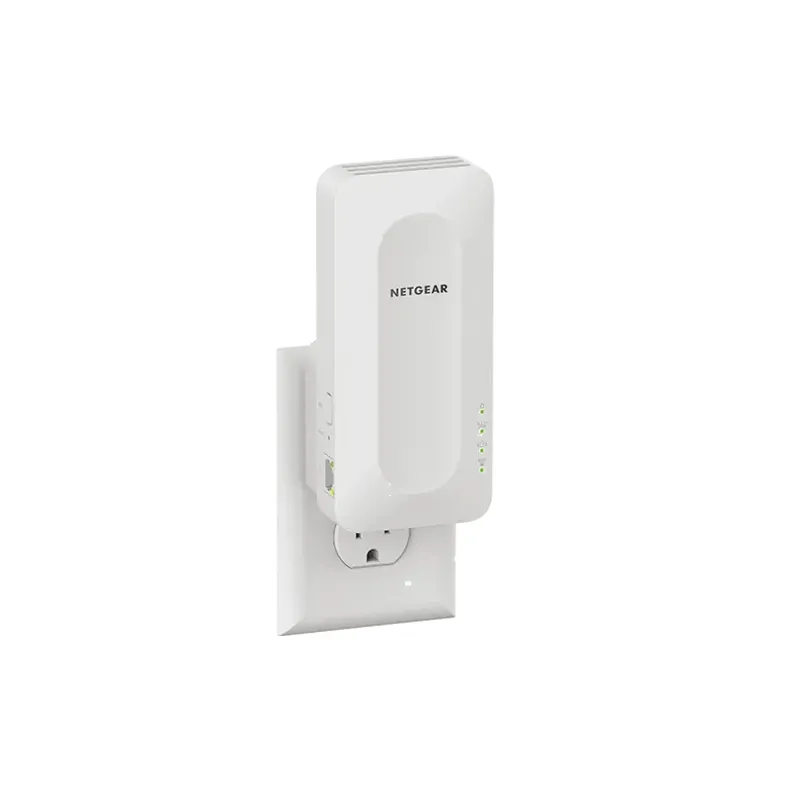 Official manufacturer image
NETGEAR EAX15
Check price on Amazon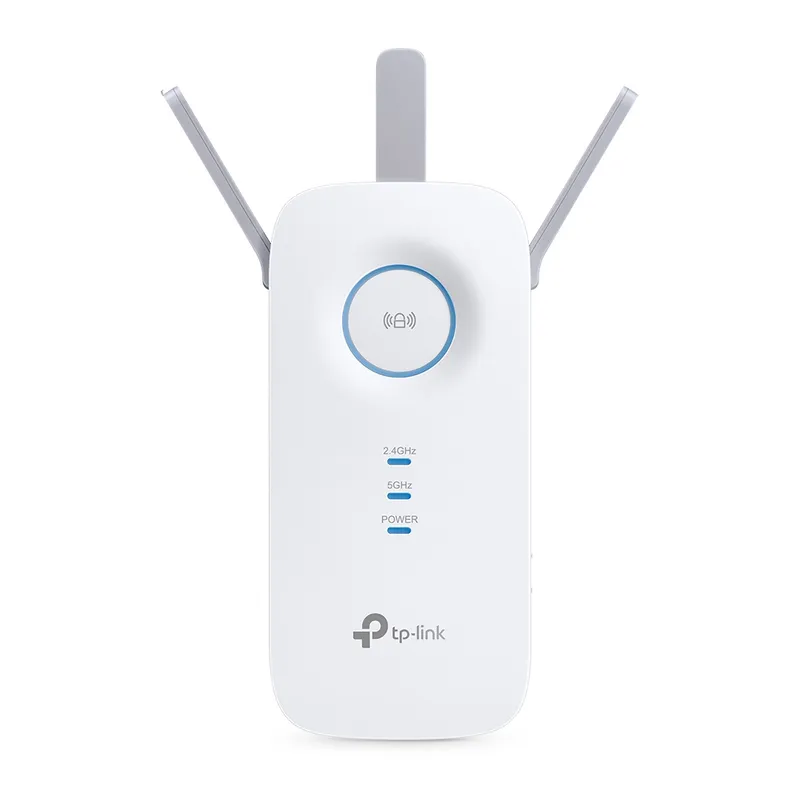 Official manufacturer image
TP-Link RE550
Check price on AmazonCommon questions
Questions before you buy
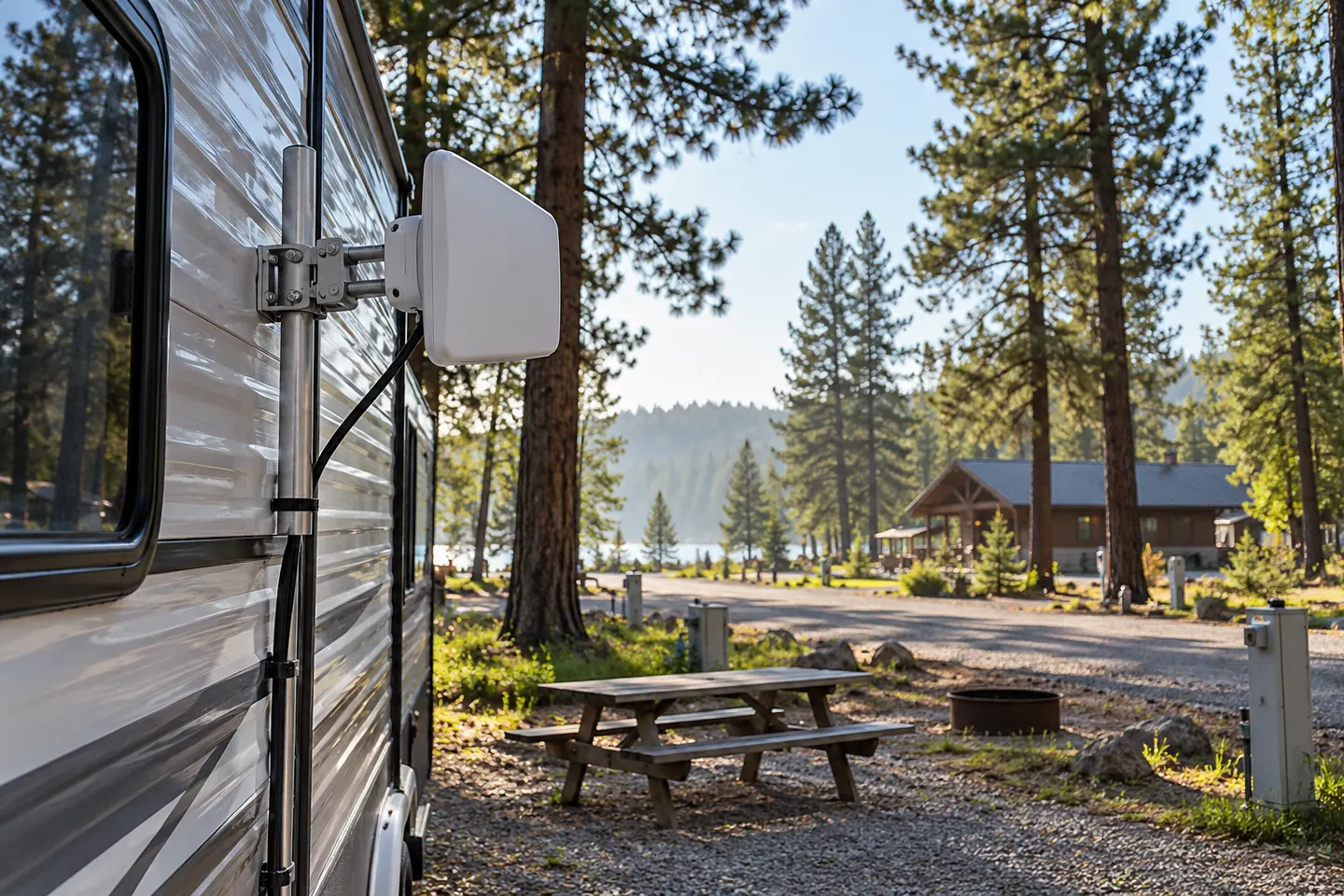
Can I boost campground WiFi to my RV?
A client bridge or travel router may receive a campground network and share it locally, but captive portals and campground rules can prevent this. Confirm network terms and device mode first.
What is the difference between a campground booster and an outdoor access point?
A bridge receives a distant network, often in a focused direction. An access point broadcasts a network from an internet connection or wired link you control.
Will a WiFi booster work through trees?
Trees, terrain, metal RV walls and other obstructions can weaken a radio link. A clearer path and careful antenna alignment generally matter more than a claimed maximum range.
Can I use a home extender at a campground?
Indoor plug-in extenders are not designed for exposure to weather. Use equipment rated for its installation environment and follow its power and mounting instructions.