




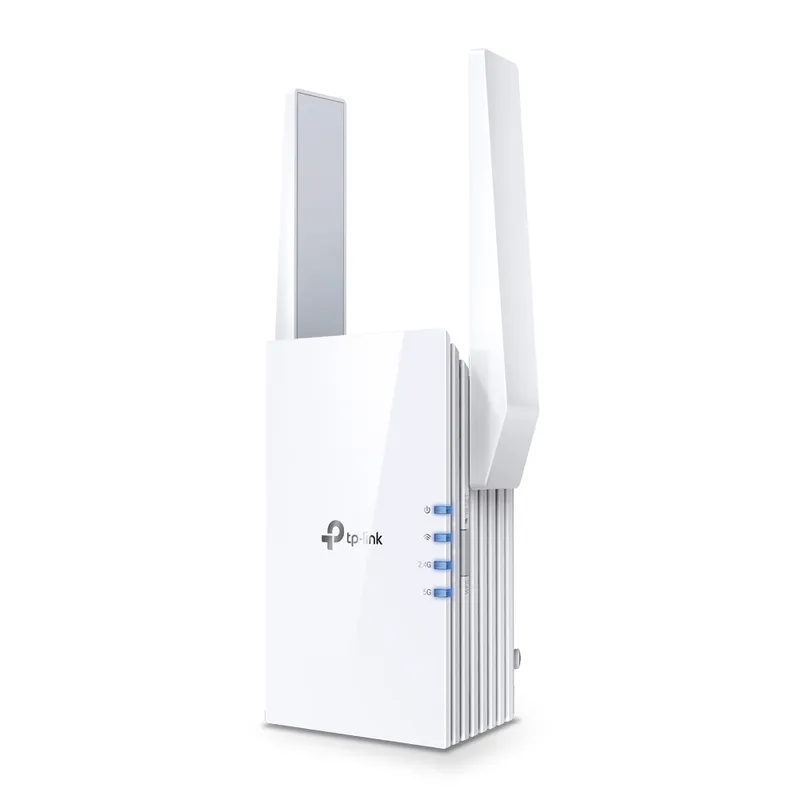
 Official manufacturer image
Our picks
Top picks
Official manufacturer image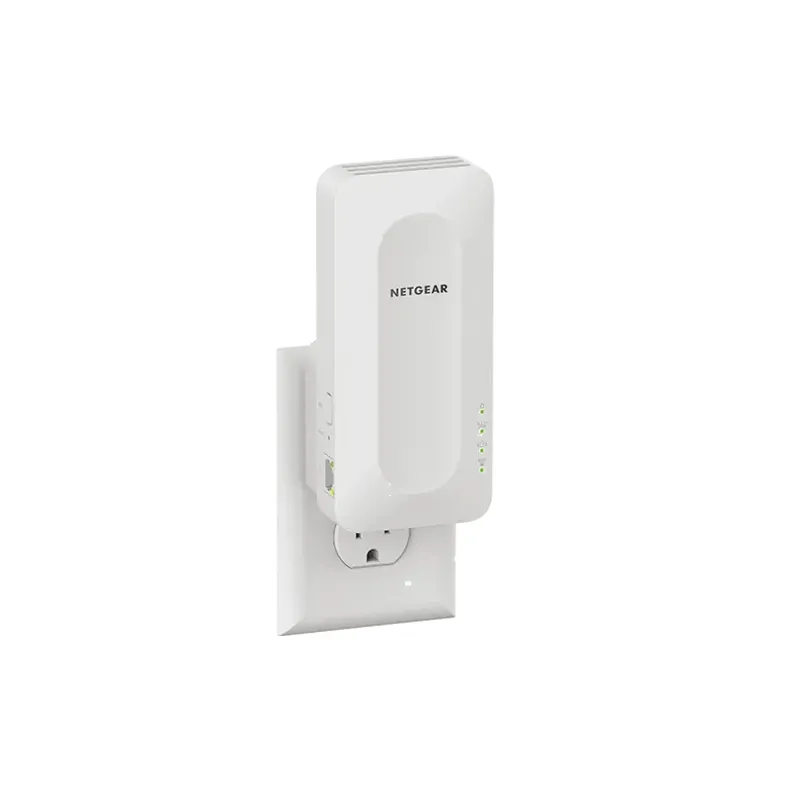 Official manufacturer image
NETGEAR EAX15
Check price on Amazon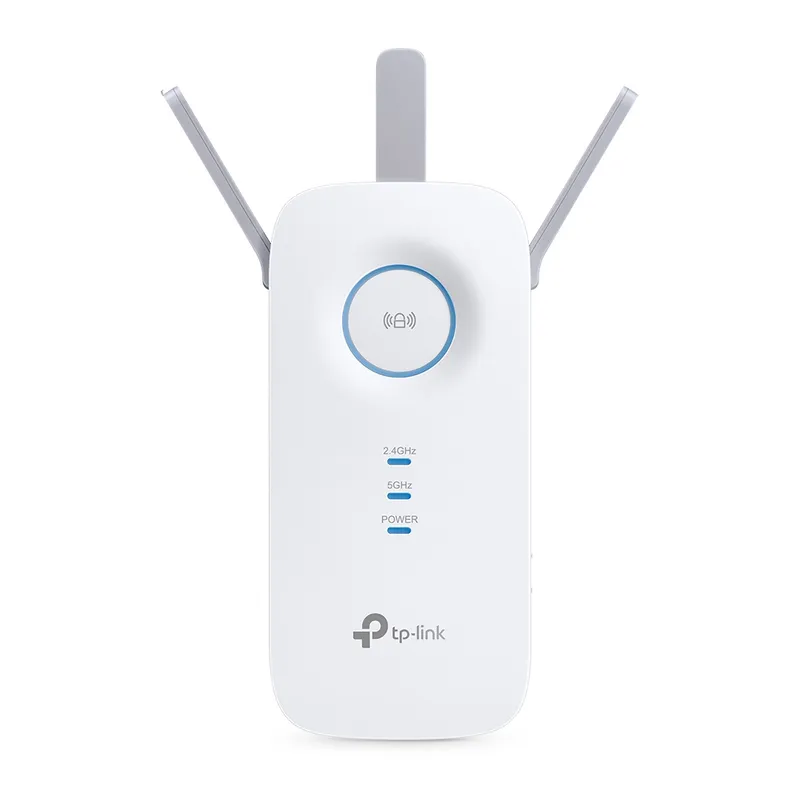 Official manufacturer image
TP-Link RE550
Check price on AmazonCommon questions
Questions before you buy
Can I make a DIY WiFi range extender at home?
You can improve coverage with router repositioning or a wired access point. A homemade passive reflector may alter direction unevenly and is not equivalent to an active range extender.
Do aluminum foil WiFi boosters work?
A reflector can change how radio energy is distributed, but improvised shapes and placement are unpredictable. It does not create additional network capacity or a reliable whole-home signal.
Can I use an old router as a WiFi extender?
Possibly, if the router supports a compatible repeater or access-point mode. A wired access point is generally more predictable than wireless repeating when Ethernet is available.
Is a DIY extender better than buying one?
A wired access point can be a good DIY solution if you can run Ethernet. For a wireless dead zone, a dedicated extender provides documented setup and supported operation.