Separate speed from signal strength
A stronger Wi-Fi signal can make a device connection more stable in a distant room. It does not increase the speed delivered by your internet provider or fix congestion outside your home network.

 Best picksBest WiFi Extenders: Which Range Extender Should You Buy?
 Best picksGood Meat Thermometers for Every Kind of Cook
 Best picksBest Dash Cams for Cars in 2026
 Best picksBest Air Purifier for Bedroom in the US: Quiet Models Compared
Gearjury may earn a commission from qualifying retailer links.
Guide
A WiFi booster can improve the connection in a weak-signal area, but it cannot raise your internet plan speed. Wireless repeating can add a hop and limit throughput.

A stronger Wi-Fi signal can make a device connection more stable in a distant room. It does not increase the speed delivered by your internet provider or fix congestion outside your home network.
A wireless range extender receives and retransmits traffic. The extra wireless hop and shared radio time can reduce available throughput, especially when the link back to the router is weak or busy.
Choose a midway location where the router signal is still usable. If the extender itself has a poor upstream connection, devices connected to it may also perform poorly.
If you can run Ethernet, an access point can avoid using Wi-Fi for the router-to-access-point link. Mesh systems may also coordinate coverage, but performance still depends on their backhaul and placement.
Compare a speed test near the router with one in the problem area, using the same device and conditions. Also check the internet plan and wired connection to separate broadband limits from local Wi-Fi coverage.
Common questions
It may improve usable speed for a device with a weak Wi-Fi link, but it does not increase your internet plan’s capacity. A wireless relay can also reduce throughput.
It can improve connectivity if it receives a good signal from the router and the dead zone is the main issue. The result depends on placement, interference and the extender link.
Yes. A repeated wireless connection may have less throughput because traffic shares radio time across the router-to-extender and extender-to-device links.
A direct Ethernet connection avoids the local wireless link. A wired access point can also provide Wi-Fi coverage without a wireless backhaul hop, when cabling is practical.
Keep exploring
For a versatile WiFi 6 choice, consider TP-Link RE705X, which pairs dual-band WiFi 6 with a Gigabit Ethernet port. NETGEAR EAX15 suits an existing NETGEAR mesh setup, while TP-Link RE550 and NETGEAR EX6120 offer different WiFi 5 feature sets.
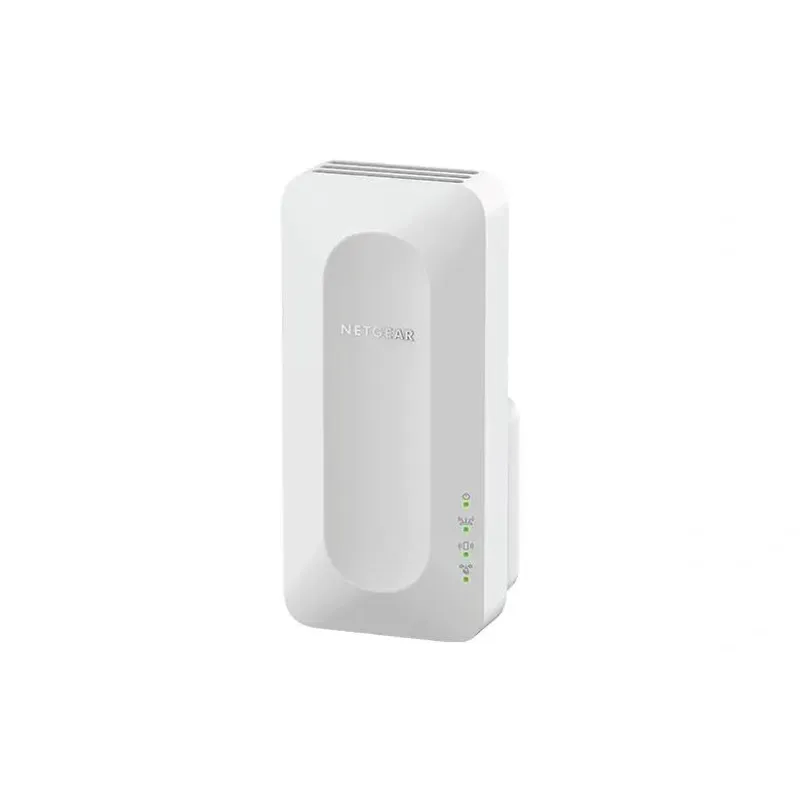
NETGEAR sells plug-in extenders across WiFi generations. Compare exact model features and check whether mesh behavior suits your router.
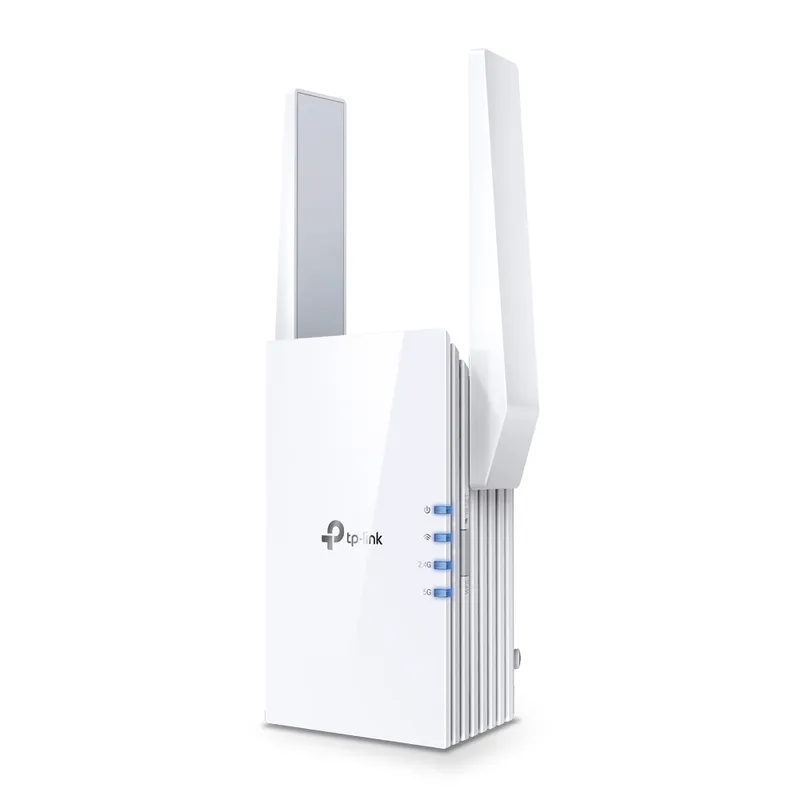
TP-Link offers WiFi 6 and WiFi 5 extenders with different port and mesh features. Check hardware version and router compatibility before choosing.
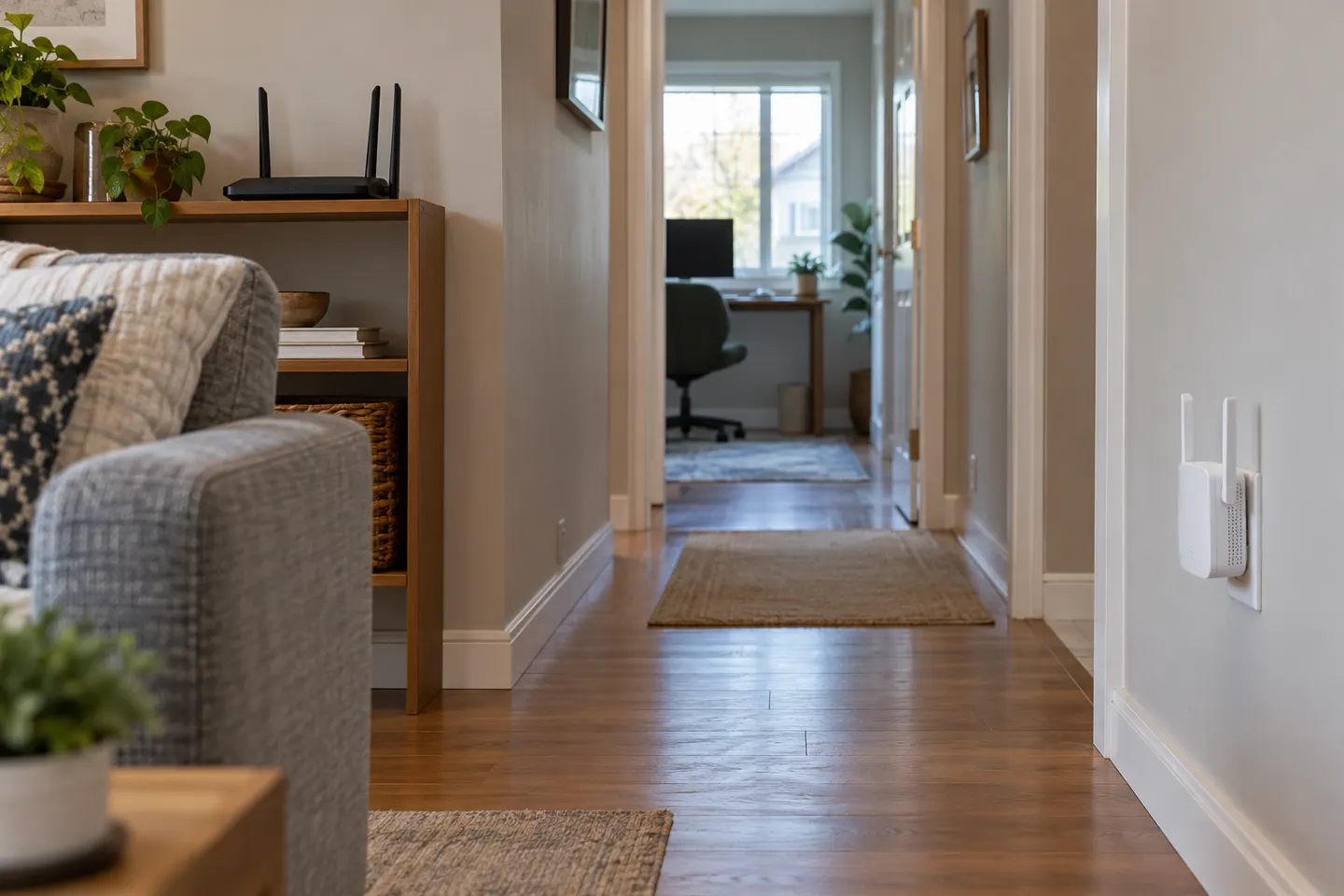
A WiFi extender can carry a router's signal into a nearby weak-signal area. Start by checking compatibility, placement and whether a wireless repeater or wired access point fits your home.