




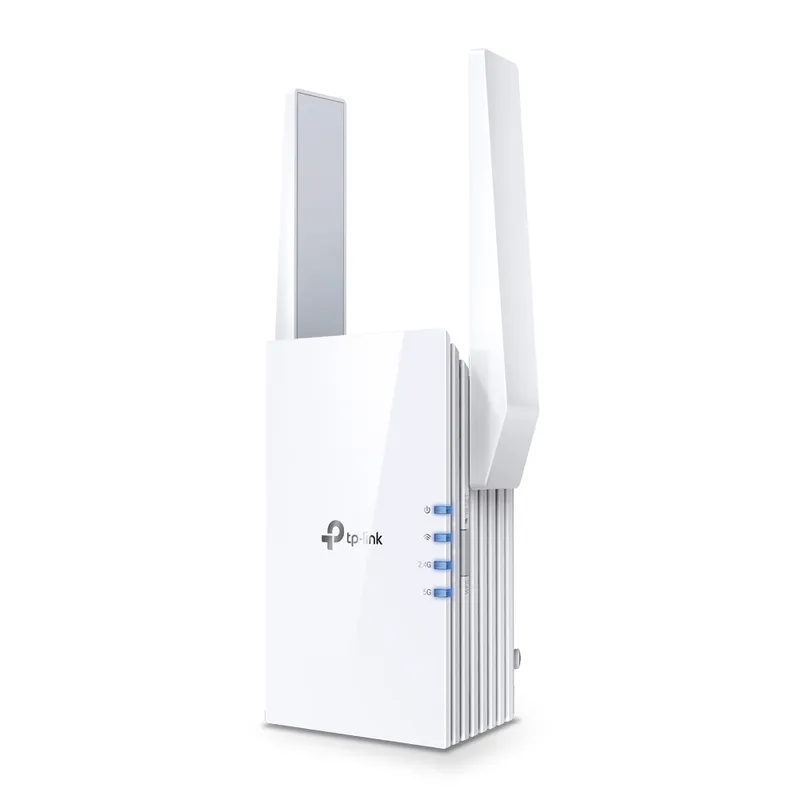
 Official manufacturer image
Our picks
Top picks
Official manufacturer image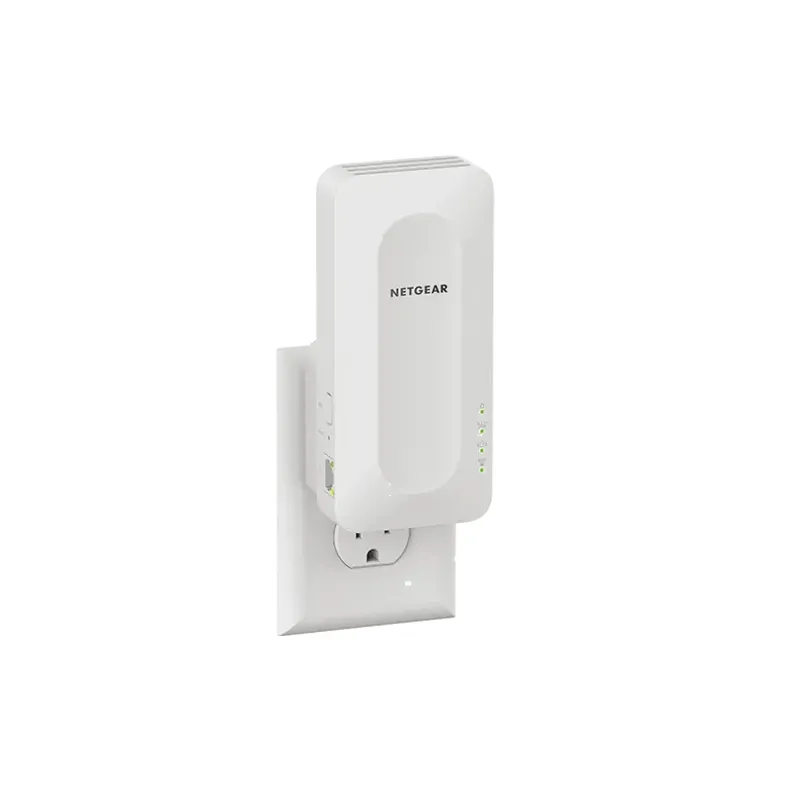 Official manufacturer image
NETGEAR EAX15
Check price on Amazon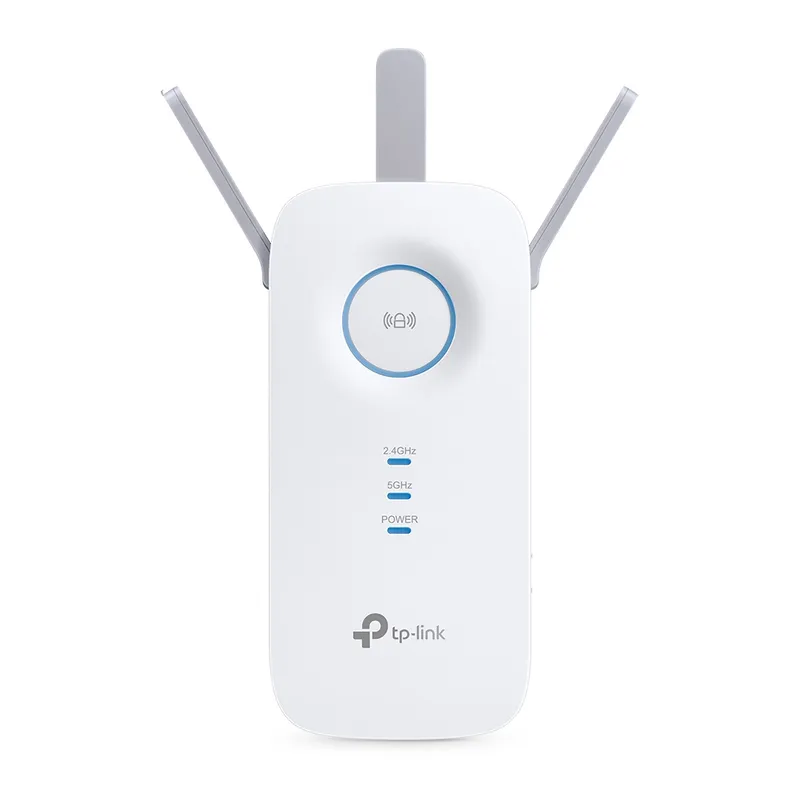 Official manufacturer image
TP-Link RE550
Check price on AmazonCommon questions
Questions before you buy
What does high range mean for a WiFi extender?
It describes the aim of extending a network into a larger area, but the phrase is not a standardized measurement. Use documented specifications and your home layout to judge whether a product is suitable.
Can an extender improve signal through thick walls?
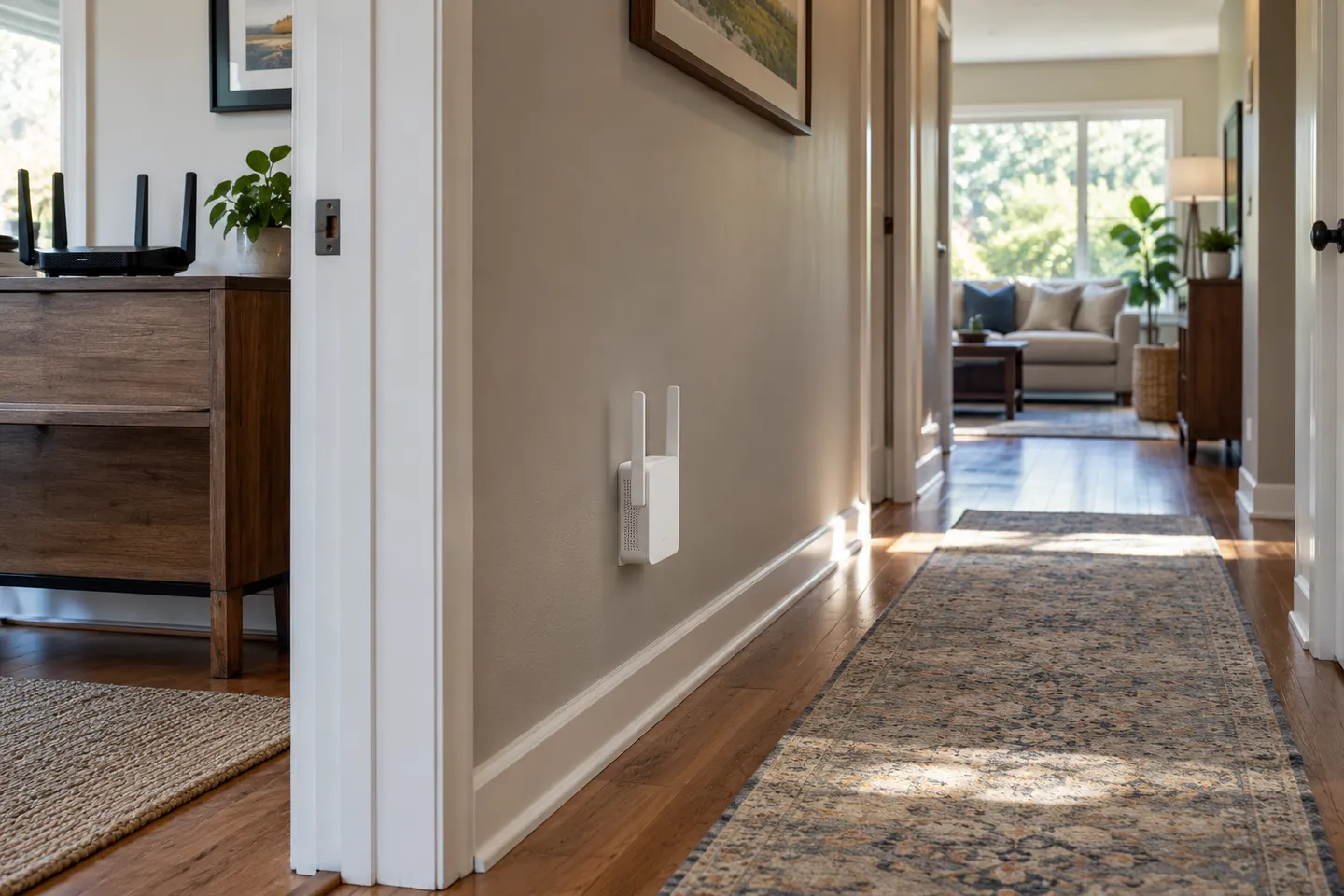
It can rebroadcast a signal beyond the wall if it receives a good connection on the router side. Thick walls can also weaken the link to the extender, so placement may matter more than adding another device.
Should I pick dual-band for more range?
Dual-band gives compatible devices a choice of 2.4 GHz and 5 GHz connections, but neither band guarantees a longer usable range in every space. Check the router and device support, then choose based on your coverage and throughput needs.
Would an access point be better than a range extender?
If you can connect the remote area to the router by Ethernet, an access point can provide WiFi there without using a wireless link back to the router. An extender is easier when running cable is impractical.