




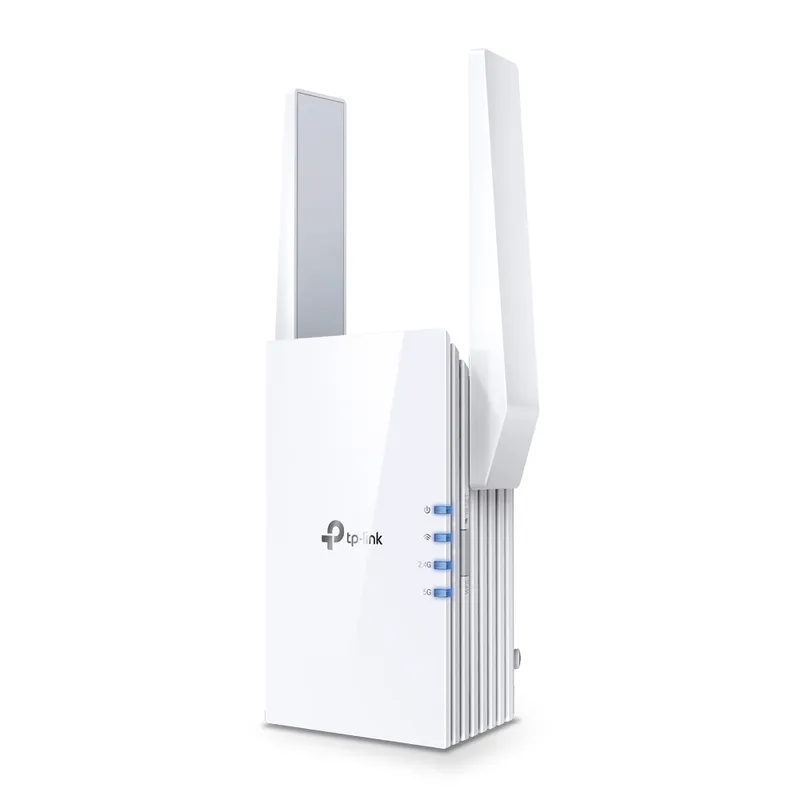
 Official manufacturer image
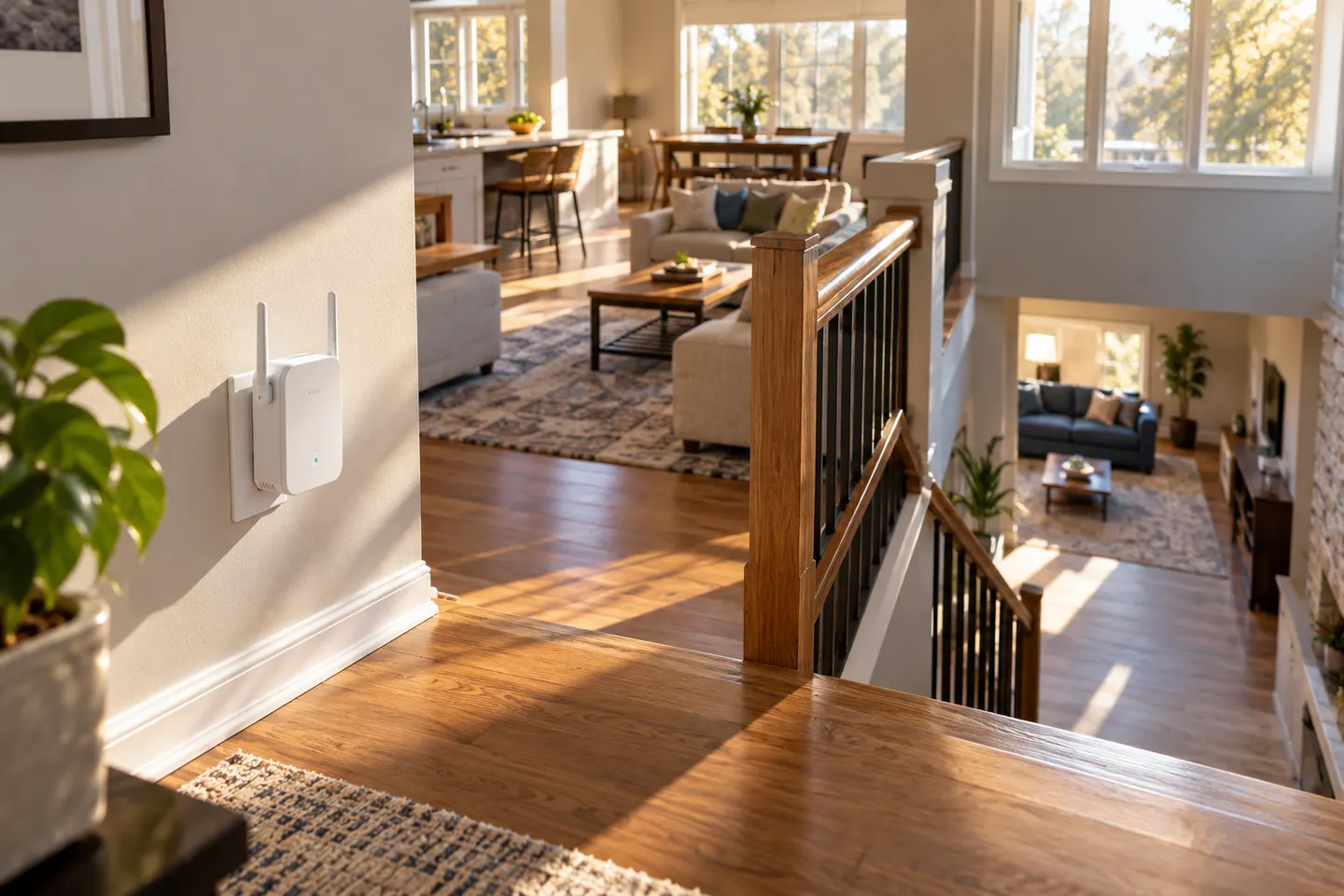
Our picks
Top picks
Official manufacturer image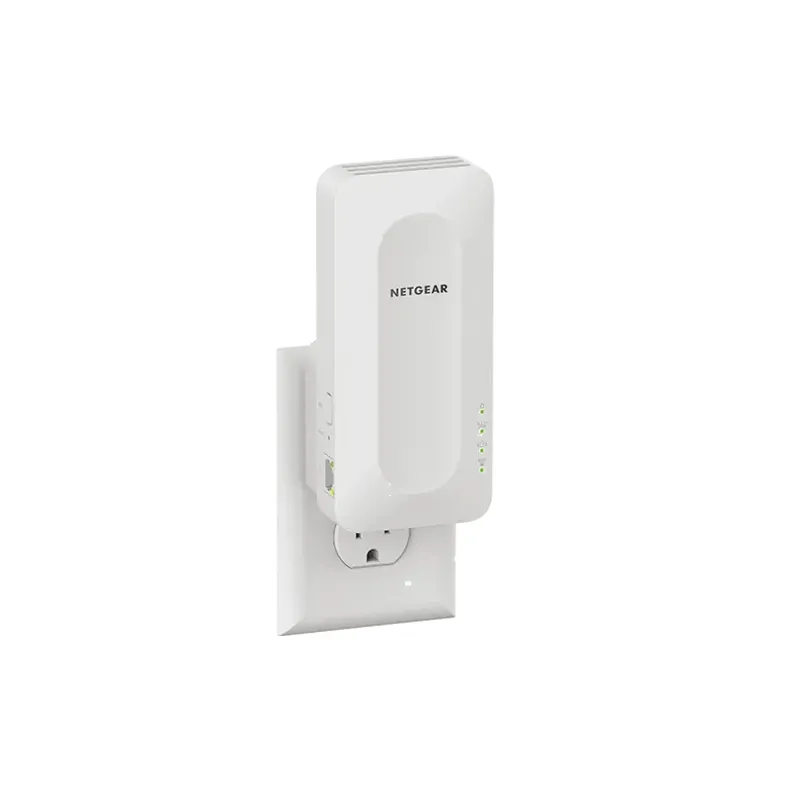 Official manufacturer image
NETGEAR EAX15
Check price on Amazon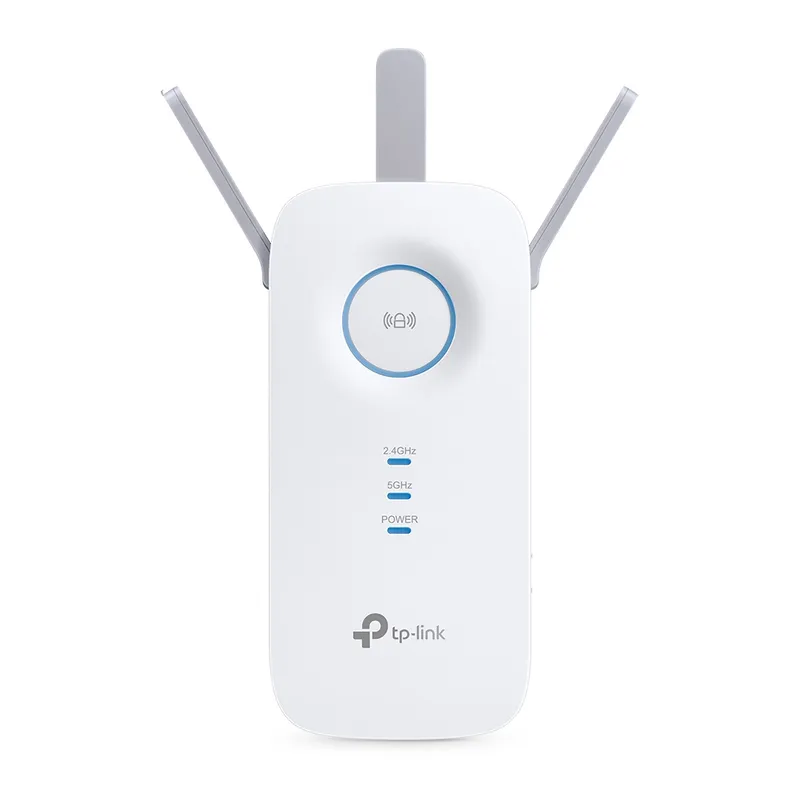 Official manufacturer image
TP-Link RE550
Check price on AmazonCommon questions
Questions before you buy
What is the highest range WiFi extender available?
There is no stable universal answer because coverage depends on the test conditions and on the home. Compare current manufacturer specifications, then assess whether the unit can receive a good signal at your intended location.
Are WiFi extender coverage claims realistic?
They describe manufacturer conditions and are not a guarantee of usable speed or coverage in every building. Walls, interference, router location and connected clients all affect results.
Does a stronger extender need a stronger router?
The extender can only repeat what it receives from the router. If the source signal is weak at its position, moving the router or using wired backhaul may help more than selecting a higher-rated extender.
Is a long-range extender better than mesh?
For one weak area, a range extender may be enough. For multiple rooms or floors, a multi-node mesh can be easier to manage, while wired access points can provide a direct network link where cabling is available.