




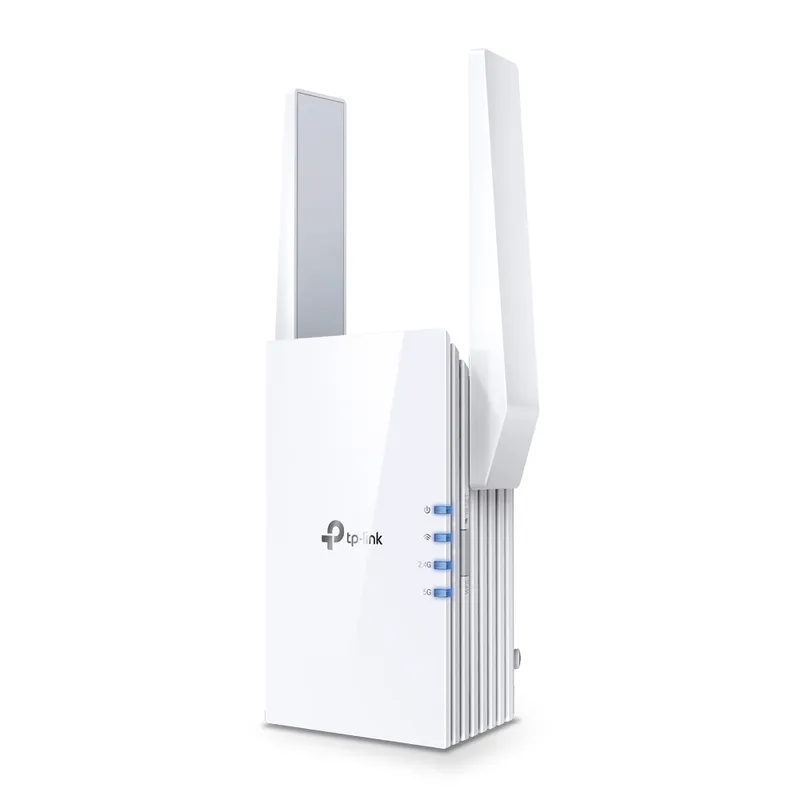
 Official manufacturer image
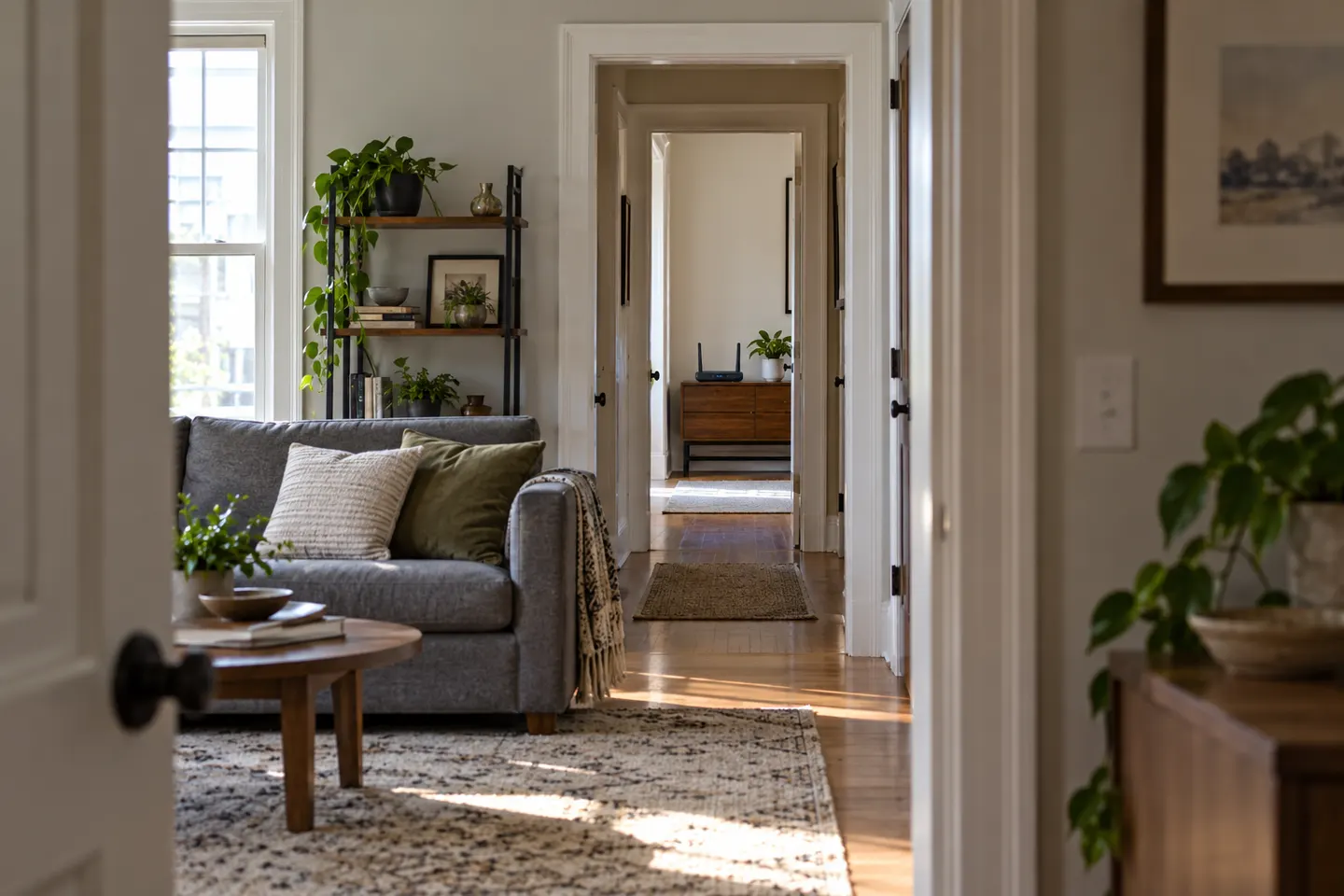
Our picks
Top picks
Official manufacturer image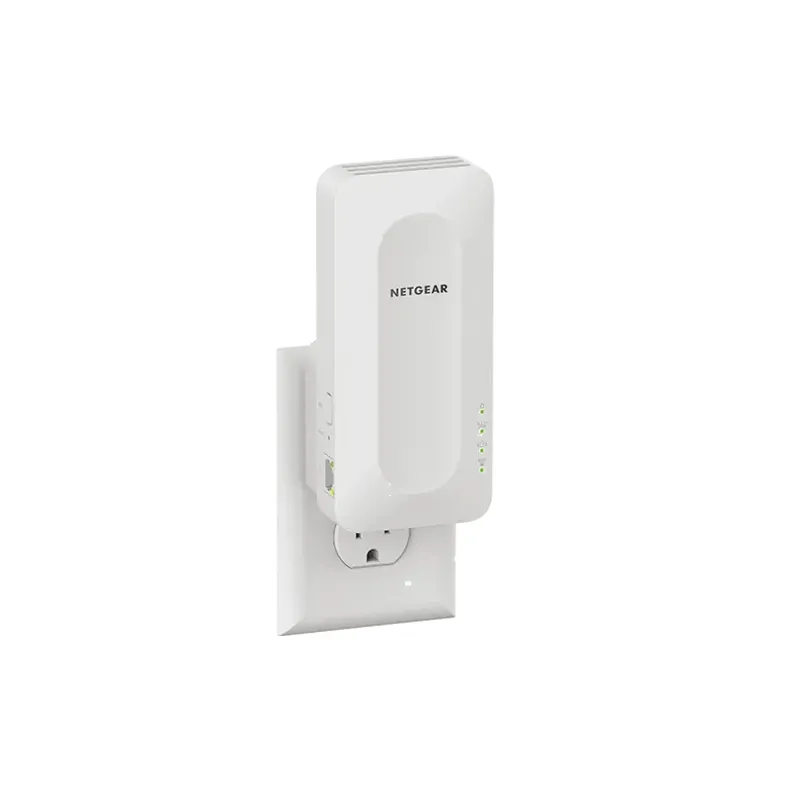 Official manufacturer image
NETGEAR EAX15
Check price on Amazon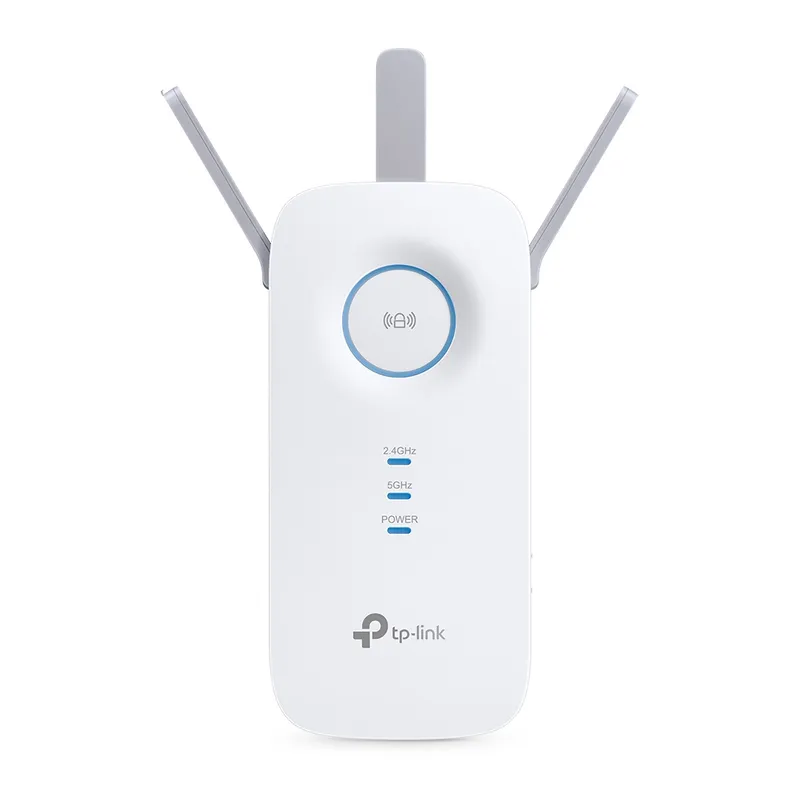 Official manufacturer image
TP-Link RE550
Check price on AmazonCommon questions
Questions before you buy
How far can a WiFi extender reach?
There is no fixed distance that applies to every home. Construction, interference, router strength and extender placement all affect how far a useful signal reaches.
Do manufacturer coverage ranges reflect real homes?
They are product claims measured under stated or implied conditions. Compare the test basis where provided and expect actual coverage to vary with the building and network.
Does a faster extender cover a larger area?
A higher advertised link rate does not automatically mean greater usable coverage. Antenna design, bands, placement and the quality of the router link also matter.
Where should I place an extender to improve its range?
Place it where the router signal is still dependable and the extender can reach the target area. Avoid hiding it behind dense furniture or putting it at the far edge of the dead zone.