




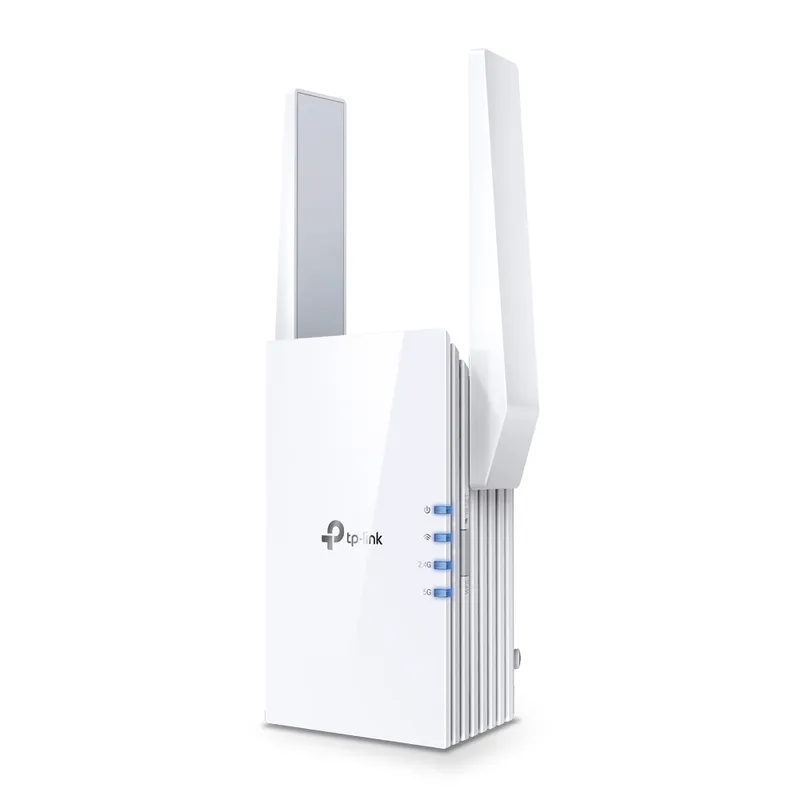
 Official manufacturer image
Our picks
Top picks
Official manufacturer image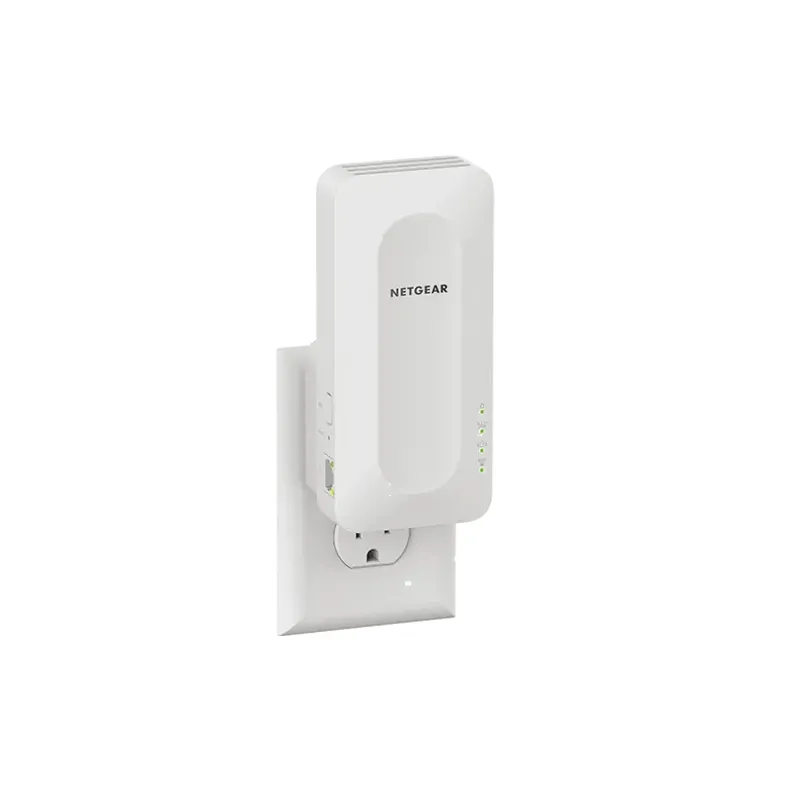 Official manufacturer image
NETGEAR EAX15
Check price on Amazon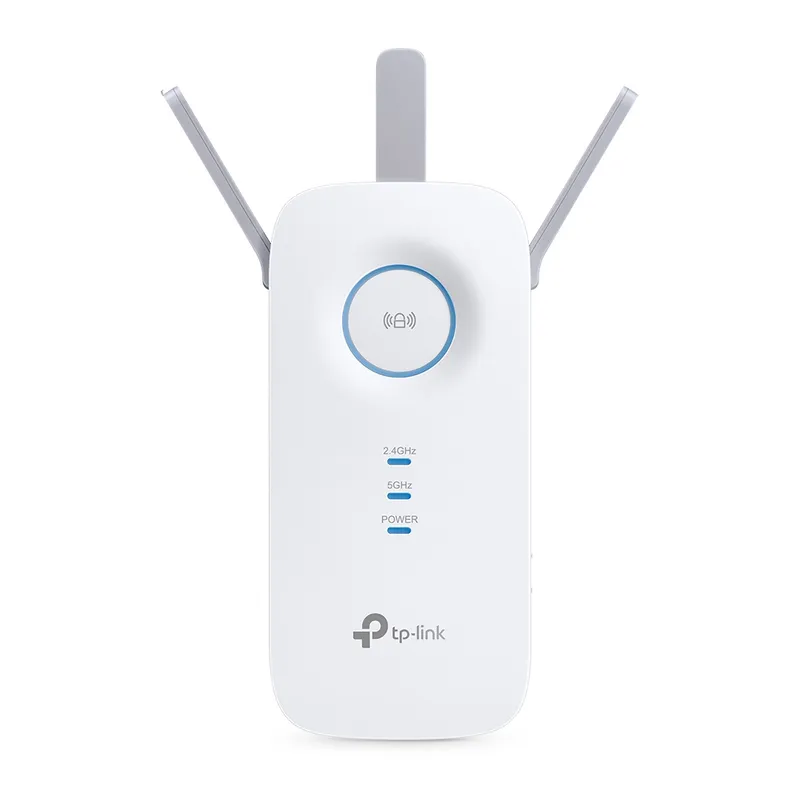 Official manufacturer image
TP-Link RE550
Check price on AmazonMore topics
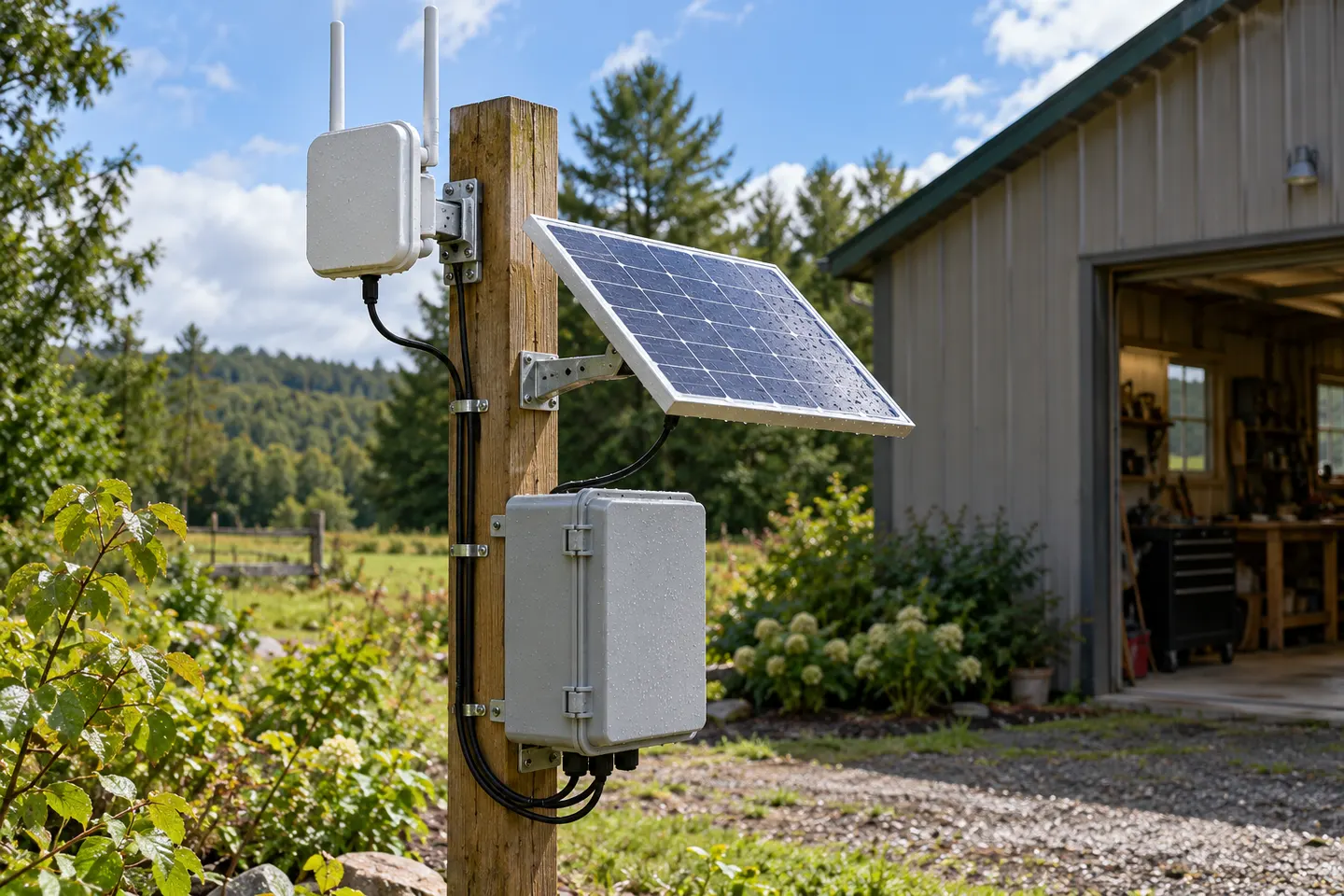 Solar WiFi Extenders
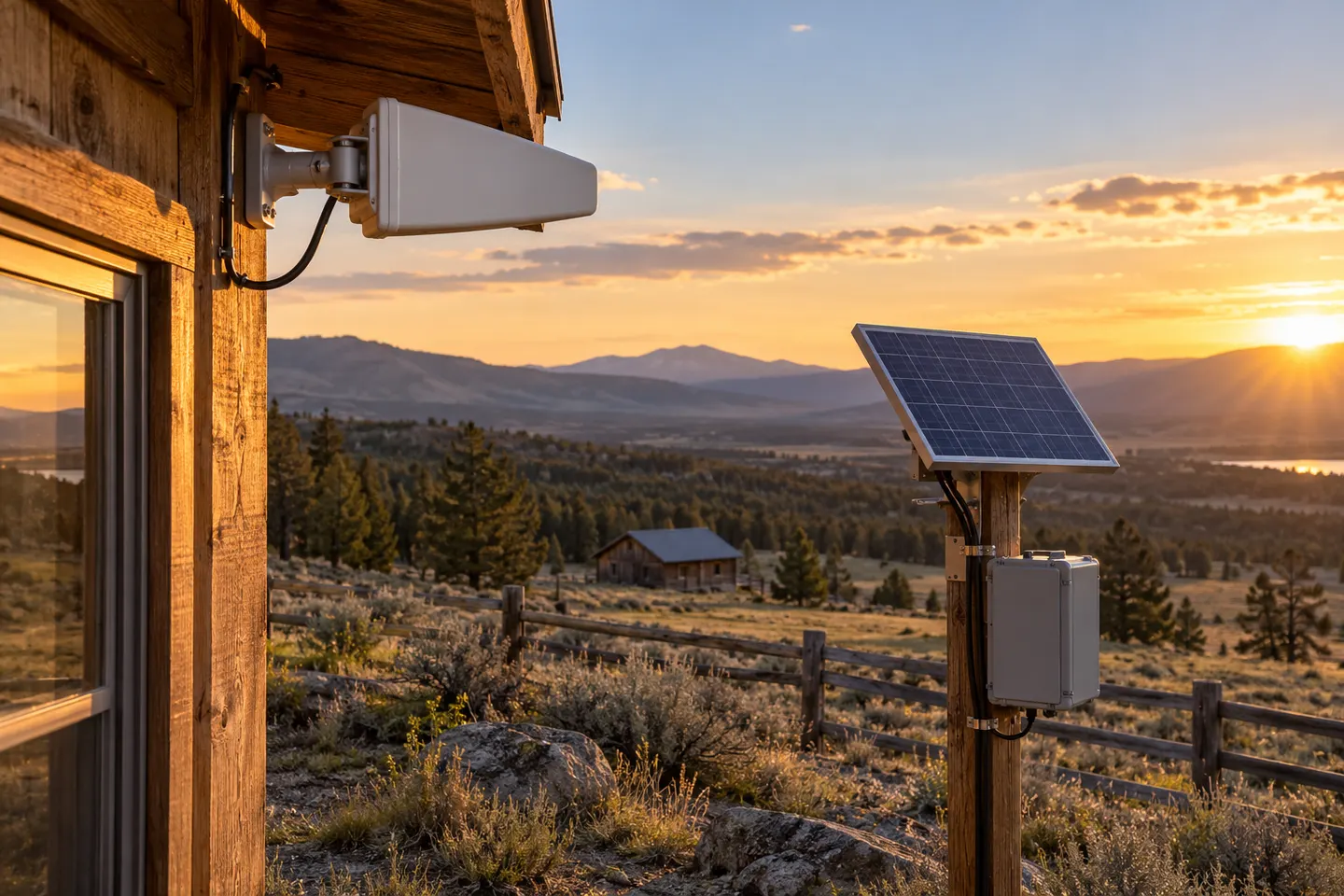 Solar Power WiFi Extenders
Common questions
Questions before you buy
Can a Wi-Fi extender run on solar power?
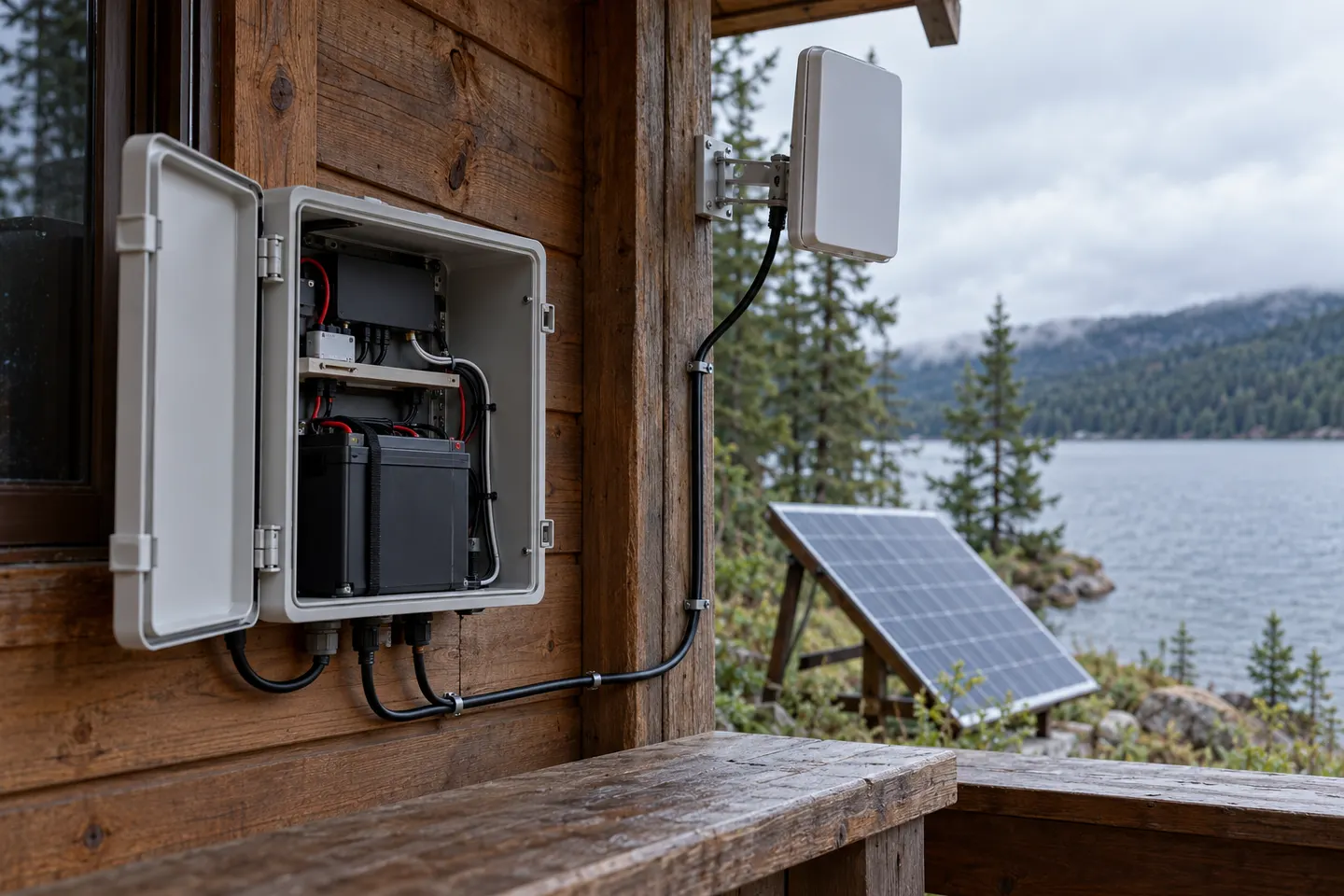
A standard plug-in extender needs an appropriate power source. An off-grid installation needs a panel, battery and compatible power delivery sized for equipment load and runtime.
Does TP-Link make a solar-powered Wi-Fi extender?
TP-Link EAP610-Outdoor is an outdoor access point with PoE power, not a self-contained solar extender. A separate solar and battery system would be needed off-grid.
How much solar power does an outdoor access point need?
Use the device's documented power draw and include losses in the PoE supply, battery, controller and wiring. Allow extra capacity for local weather and the runtime target.
Can a solar extender work without internet?
It can provide local Wi-Fi only if it has a network to distribute; internet access still requires an upstream connection such as fixed broadband or cellular service.