




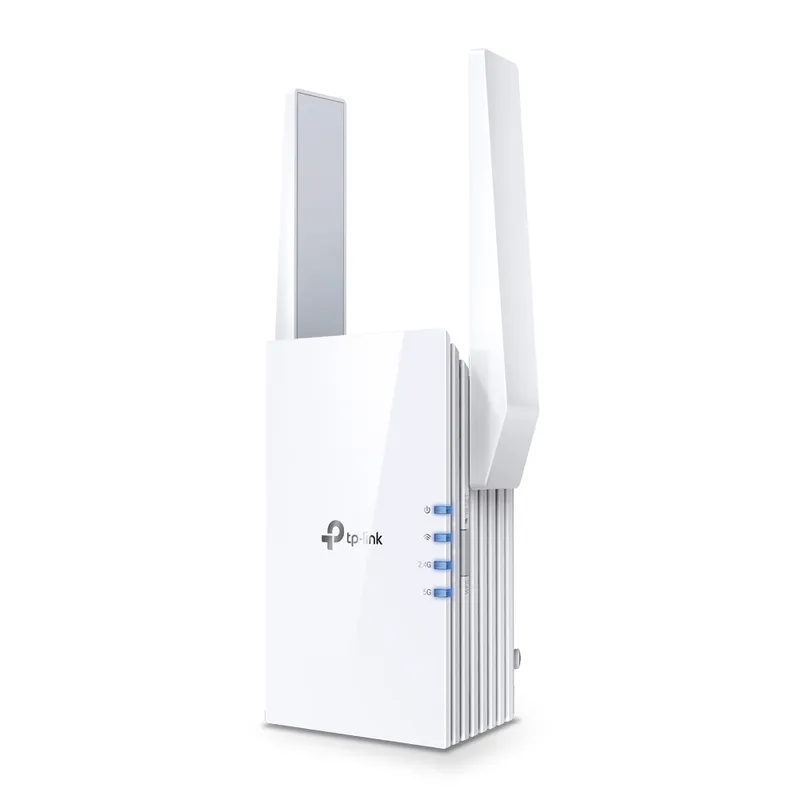
 Official manufacturer image
Our picks
Top picks
Official manufacturer image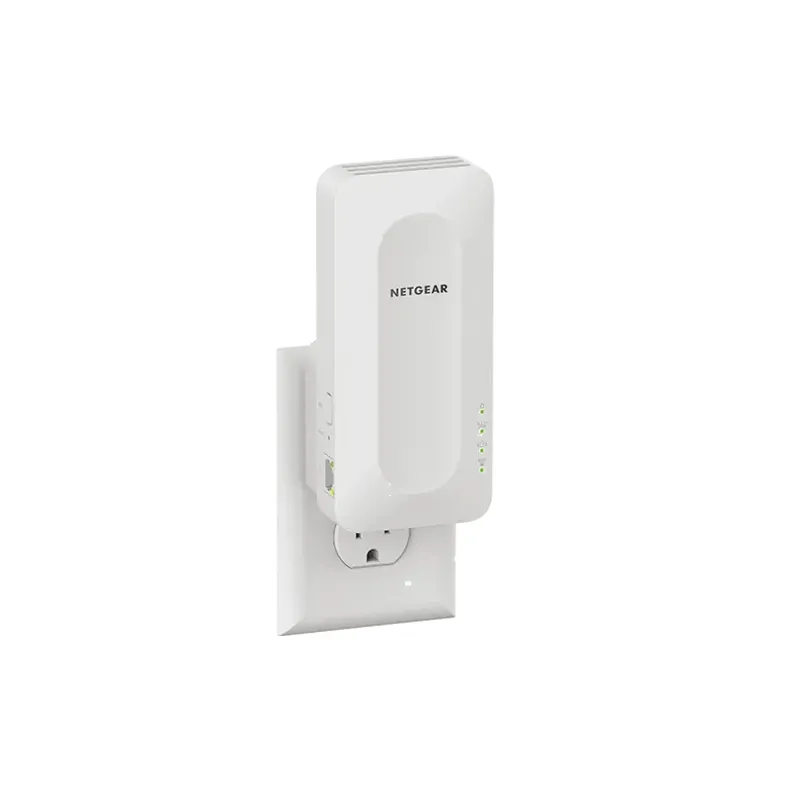 Official manufacturer image
NETGEAR EAX15
Check price on Amazon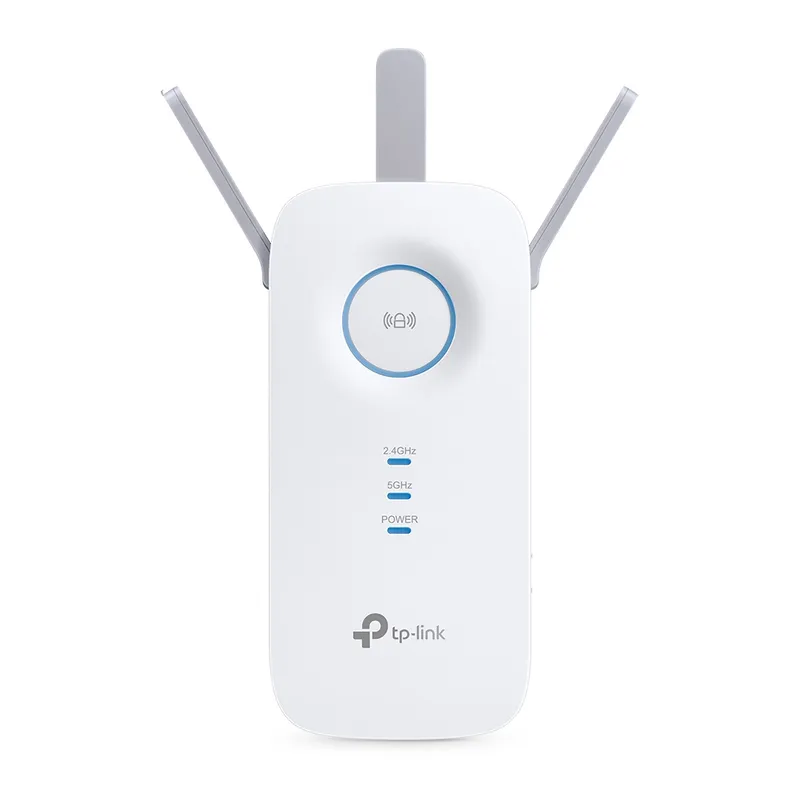 Official manufacturer image
TP-Link RE550
Check price on AmazonCommon questions
Questions before you buy
What makes a WiFi extender powerful?
Radio capability, antenna design, supported bands and a strong backhaul all contribute. The environment and router connection determine how much capability reaches your devices.
Does a higher Mbps rating mean stronger coverage?
No. Advertised link rates are theoretical combined limits under specified conditions; they do not guarantee signal reach, internet speed or performance through walls.
Is a mesh extender stronger than a basic repeater?
Mesh equipment can coordinate nodes and roaming, but outcomes depend on compatibility and backhaul. A basic repeater may suit one room if it receives a good router signal.
What is the strongest WiFi signal booster for thick walls?
No wireless model can guarantee penetration through dense walls. Try a wired access point or Ethernet backhaul to avoid relying on that obstructed radio link.