How an extender relays Wi-Fi
The device joins an existing wireless network and provides another connection point for nearby clients. The quality of its link back to the router affects what devices can receive through it.

 Best picksBest WiFi Extenders: Which Range Extender Should You Buy?
 Best picksGood Meat Thermometers for Every Kind of Cook
 Best picksBest Dash Cams for Cars in 2026
 Best picksBest Air Purifier for Bedroom in the US: Quiet Models Compared
Gearjury may earn a commission from retailer links. Editorial conclusions are based on cited evidence.
Guide
A Wi-Fi extender receives a router wireless network and rebroadcasts coverage toward another area. It can help with a local dead zone, but it cannot create a strong source signal or raise your internet plan speed.
The device joins an existing wireless network and provides another connection point for nearby clients. The quality of its link back to the router affects what devices can receive through it.
An extender may help a room where the router signal is weak but still reaches a useful intermediate location. It is not a substitute for fixing a router, service or interference problem.
Place it within the router usable range and toward the weak area. Too close to the dead zone can leave the extender with poor backhaul; too close to the router may not reach the target.
It does not improve internet service entering the home, and advertised link rates are not guaranteed device throughput. Walls, interference, traffic and client capabilities affect results.
Booster is a broad retail term, while extender describes a device that relays Wi-Fi. Mesh uses coordinated router and node hardware; check compatibility when pairing mesh-capable extenders.
Some products use Ethernet for a wired client or can switch to Access Point mode with a wired router connection. These functions depend on the model.
Common questions
In home networking, booster commonly refers to a range extender that relays an existing wireless network. The term can also describe other products, so check the device type.
It can improve Wi-Fi in a weak spot, but it does not raise broadband speed delivered by your provider. The router link and wireless conditions constrain results.
Yes. A wireless extender needs a usable connection back to the router. Place it where that link remains reliable while directing coverage toward the target area.
An extender relays a router Wi-Fi network, while mesh uses coordinated nodes designed to operate as one network. Some extenders support mesh features only with compatible routers.
Keep exploring
For a versatile WiFi 6 choice, consider TP-Link RE705X, which pairs dual-band WiFi 6 with a Gigabit Ethernet port. NETGEAR EAX15 suits an existing NETGEAR mesh setup, while TP-Link RE550 and NETGEAR EX6120 offer different WiFi 5 feature sets.
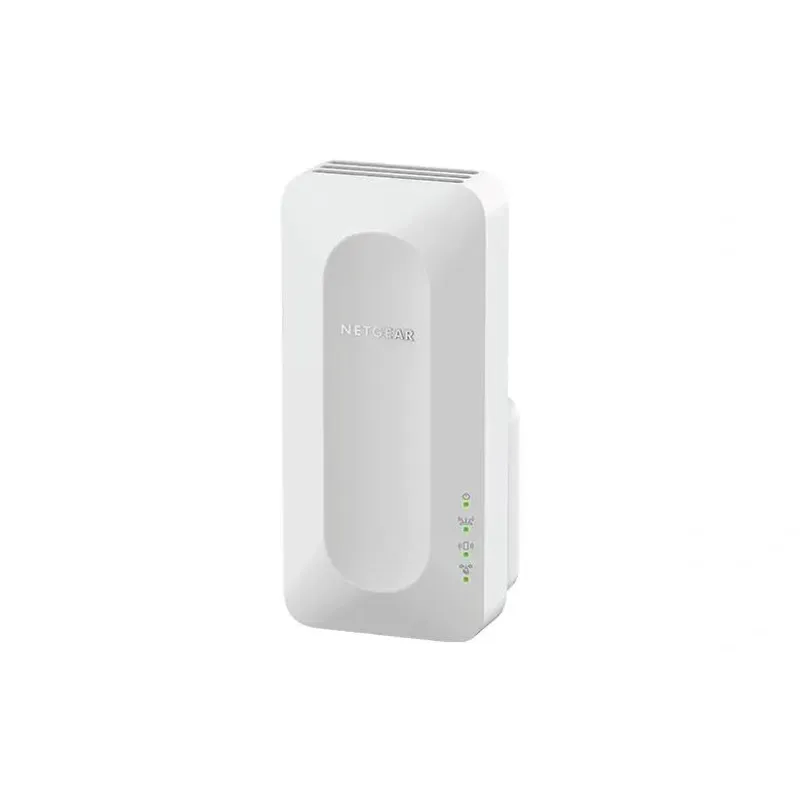
NETGEAR sells plug-in extenders across WiFi generations. Compare exact model features and check whether mesh behavior suits your router.
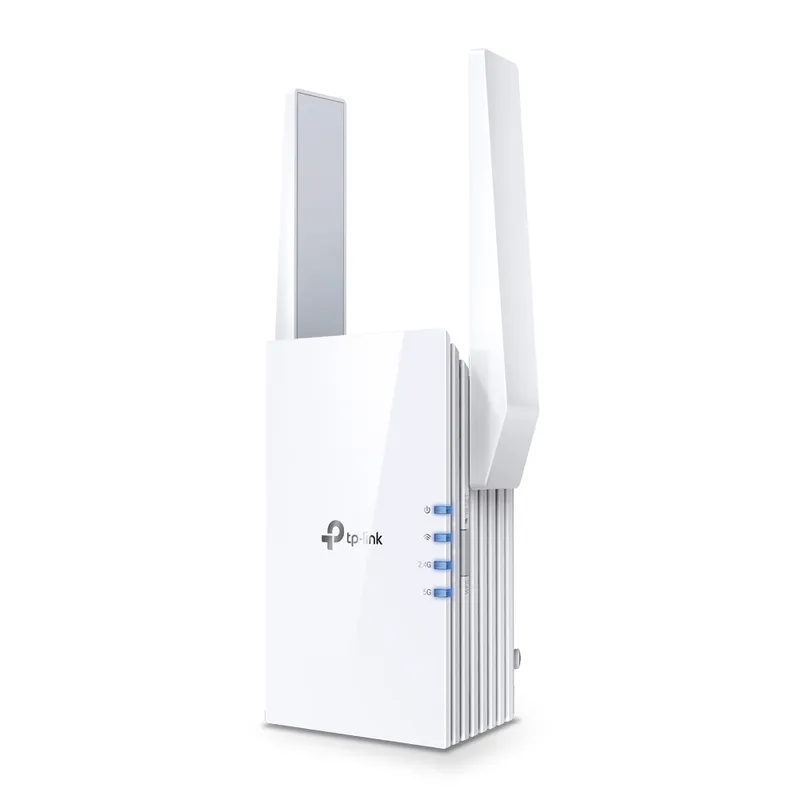
TP-Link offers WiFi 6 and WiFi 5 extenders with different port and mesh features. Check hardware version and router compatibility before choosing.
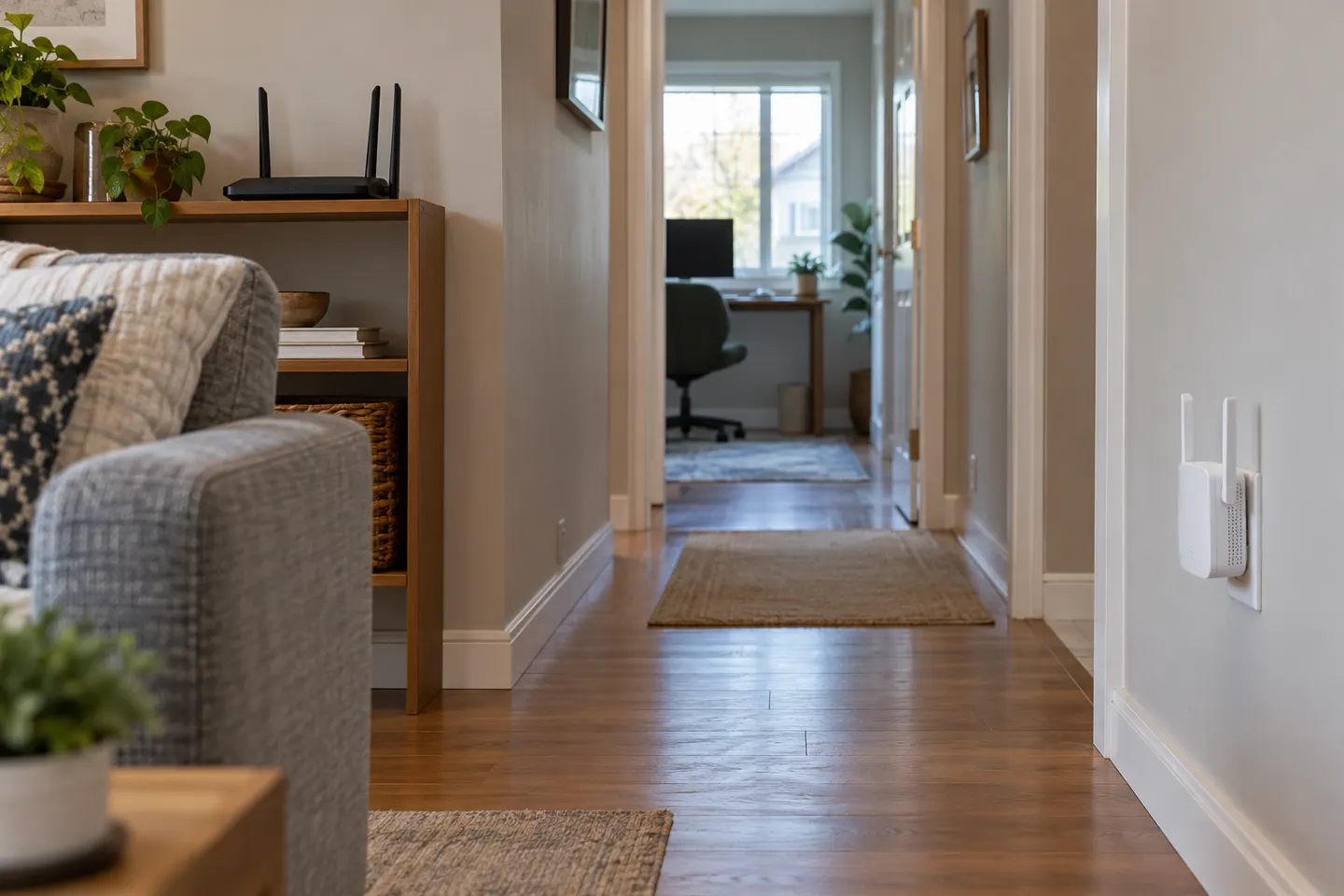
A WiFi extender can carry a router's signal into a nearby weak-signal area. Start by checking compatibility, placement and whether a wireless repeater or wired access point fits your home.