How a Wi-Fi booster relays a signal
A typical plug-in booster, also called a range extender, connects wirelessly to a router and rebroadcasts the network. Devices in the extended area connect through that relay.

 Best picksBest Meat Thermometers in the UK for 2026
 Best picksBest WiFi Extenders in the UK: Compare Five Practical Options
 Best picksThe Best Dashcams in the UK for 2026
 Best picksBest Air Purifiers in the UK for Different Rooms and Needs
Gearjury may earn a commission from qualifying retailer links.
Guide
A Wi-Fi booster usually picks up your router’s signal and rebroadcasts it towards a weak-coverage area. It can help reach a room without changing the broadband line.
A typical plug-in booster, also called a range extender, connects wirelessly to a router and rebroadcasts the network. Devices in the extended area connect through that relay.
It can make coverage available where the router signal was weak. It cannot increase the speed coming into the router, and the extra wireless hop may affect throughput.
A range extender uses a wireless link to the router. An access point creates Wi-Fi from a wired Ethernet connection, which can be a better option when a cable can reach the problem area.
Place the booster where the router signal remains strong enough to relay. Some models use the same network name or mesh features with compatible equipment; others create a separate network name.
Check dual-band support, Ethernet ports and compatibility with the router. For a desktop, console or TV, an Ethernet port can connect a wired device to the extender, even though the link back to the router may remain wireless.
Common questions
It receives a router’s Wi-Fi signal and rebroadcasts it to extend coverage into another area. It does not create a faster broadband service.
The terms are often used for the same consumer device. Check the product description to see whether it is a wireless repeater, mesh node or wired access point.
Some extenders have an Ethernet port that can provide a wired connection for a nearby PC. The extender’s own connection to the router may still be wireless.
It can improve usability where weak signal was the problem, but speed depends on the router link, interference, device and broadband service.
Keep exploring
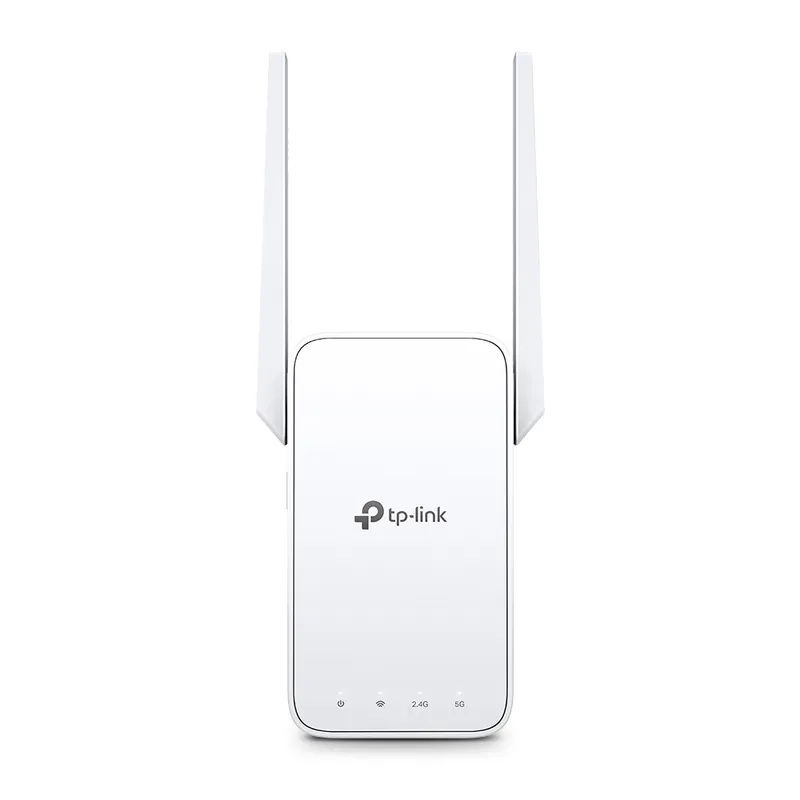
TP-Link sells plug-in repeaters and powerline kits. Check EasyMesh support, Ethernet needs and the exact UK hardware revision before buying.
TP-Link RE315 is a practical starting point for a standard indoor dead zone. Consider a Wi-Fi 6 device for newer kit, outdoor-rated hardware for a garden, or powerline where a wireless hop struggles.

Sky has different booster products for different broadband generations. Sky Max customers may use a Max Pod; check your account and hub-specific help before seeking a third-party extender.
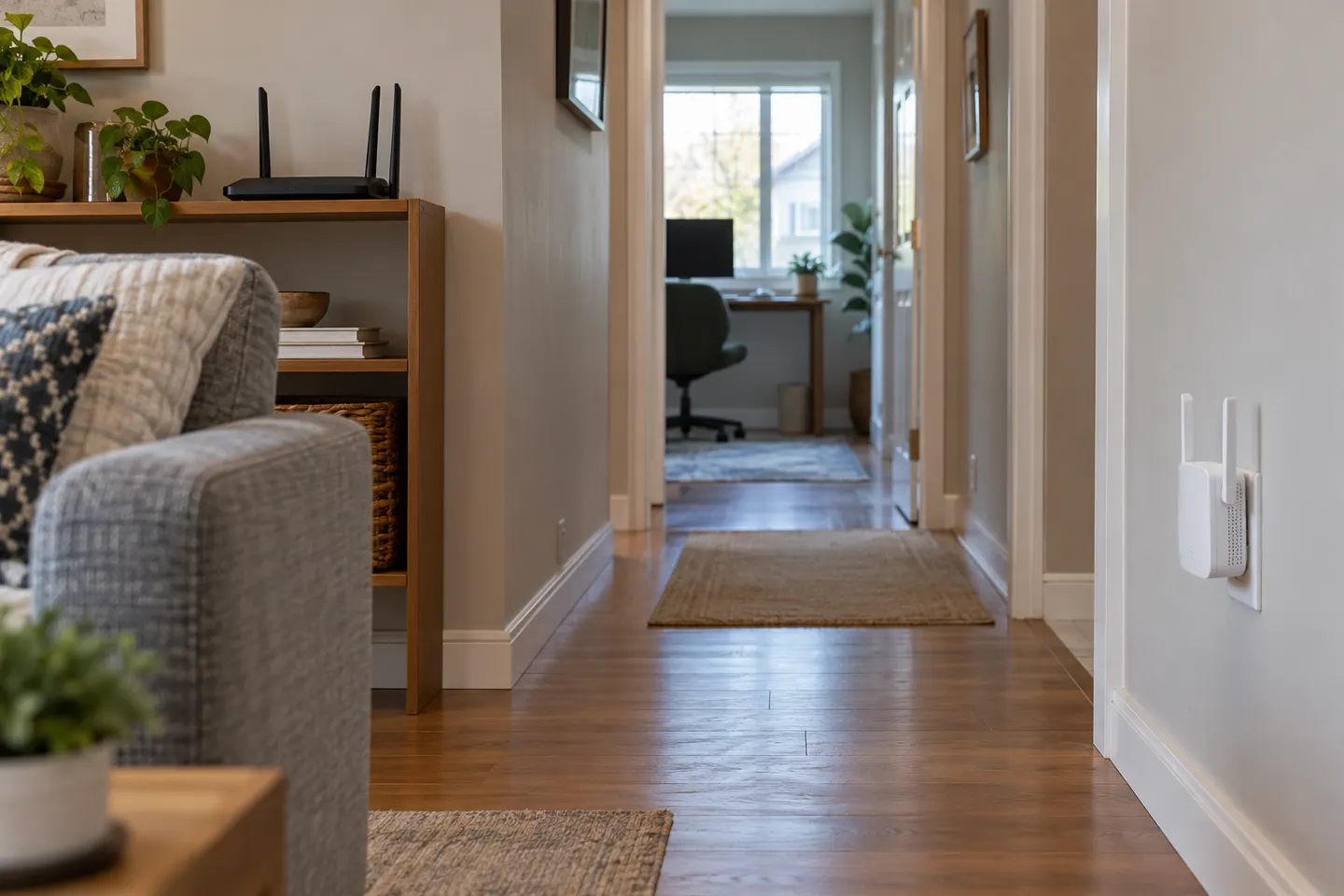
A WiFi extender can carry your router signal further, but placement and backhaul matter. Choose a plug-in repeater for a nearby dead zone, powerline WiFi for difficult layouts, or an outdoor-rated unit for a garden.