




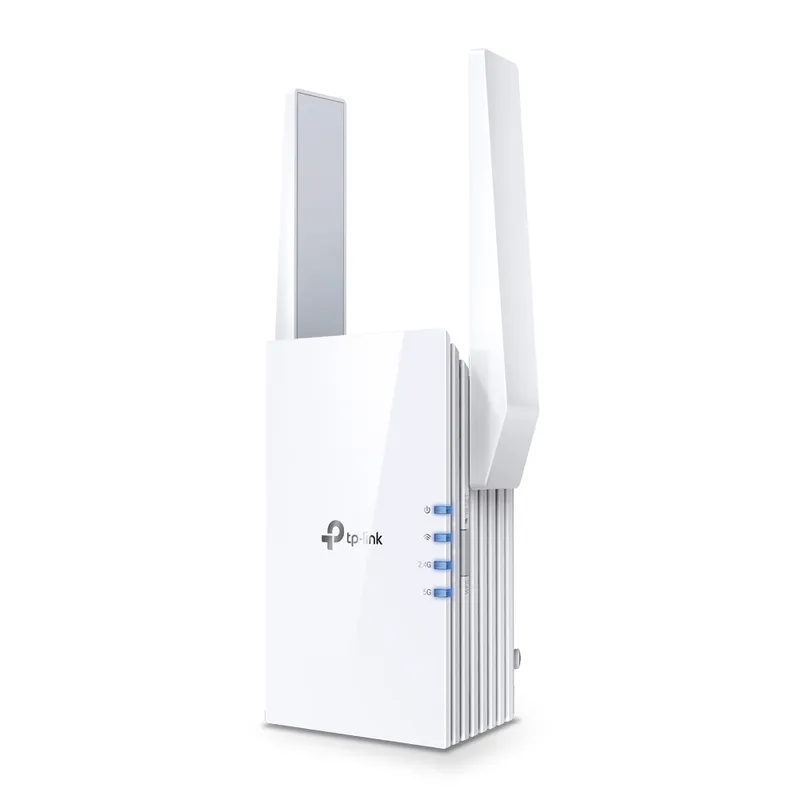
 Official manufacturer image
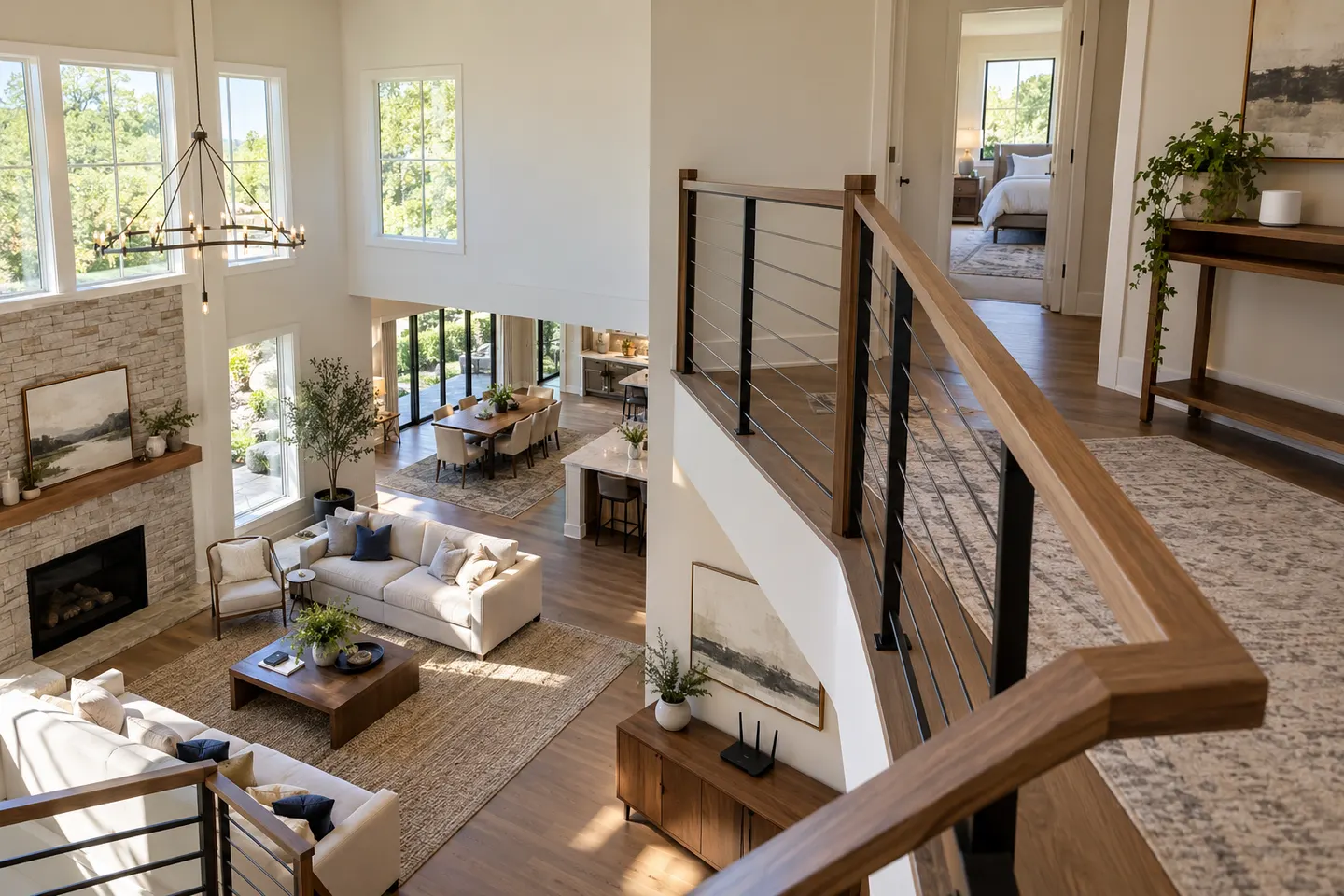
Our picks
Top picks
Official manufacturer image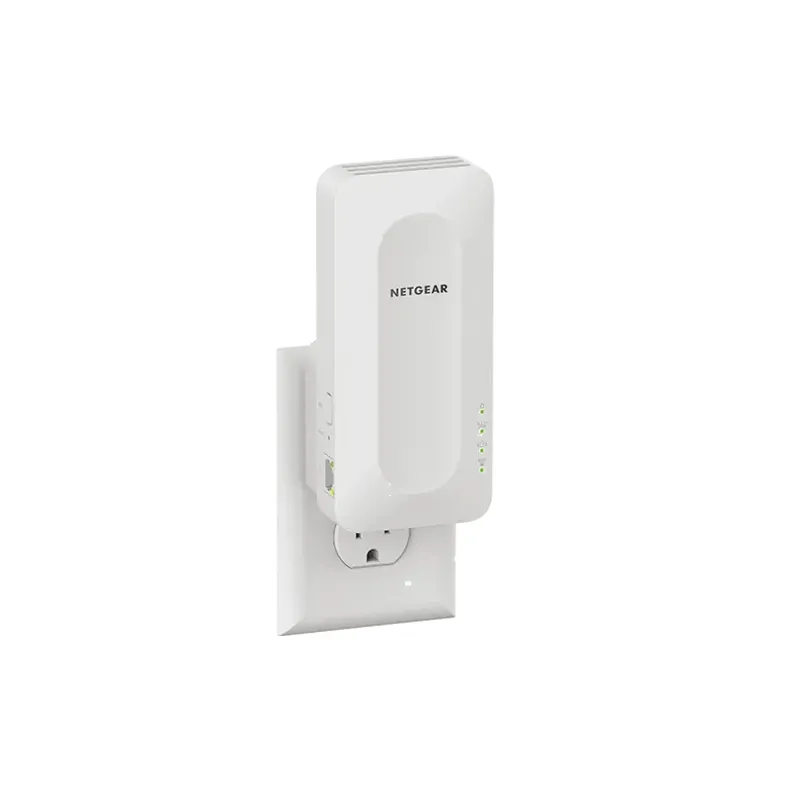 Official manufacturer image
NETGEAR EAX15
Check price on Amazon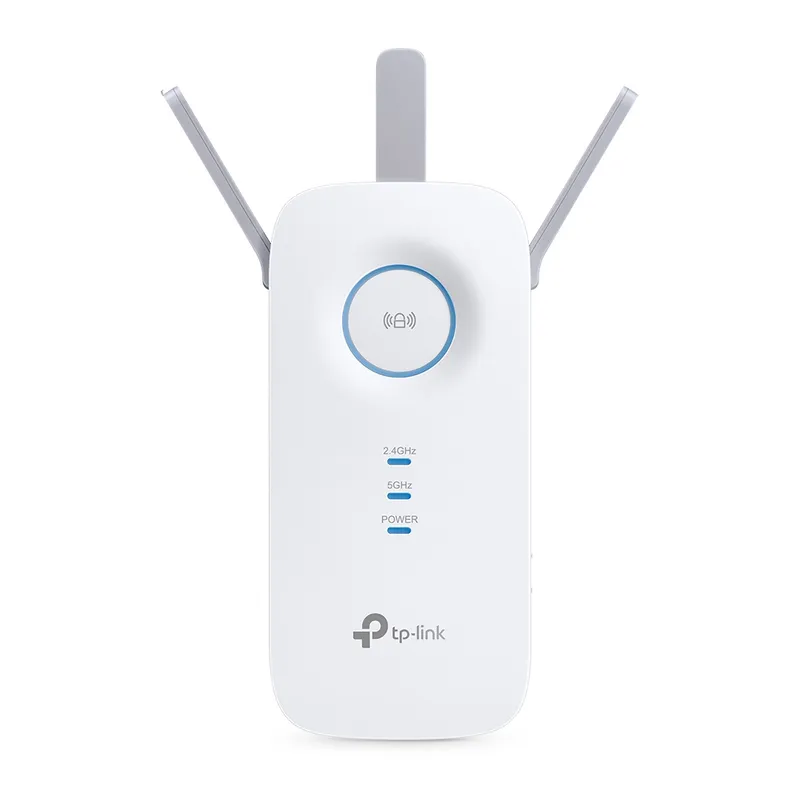 Official manufacturer image
TP-Link RE550
Check price on AmazonBy place and use
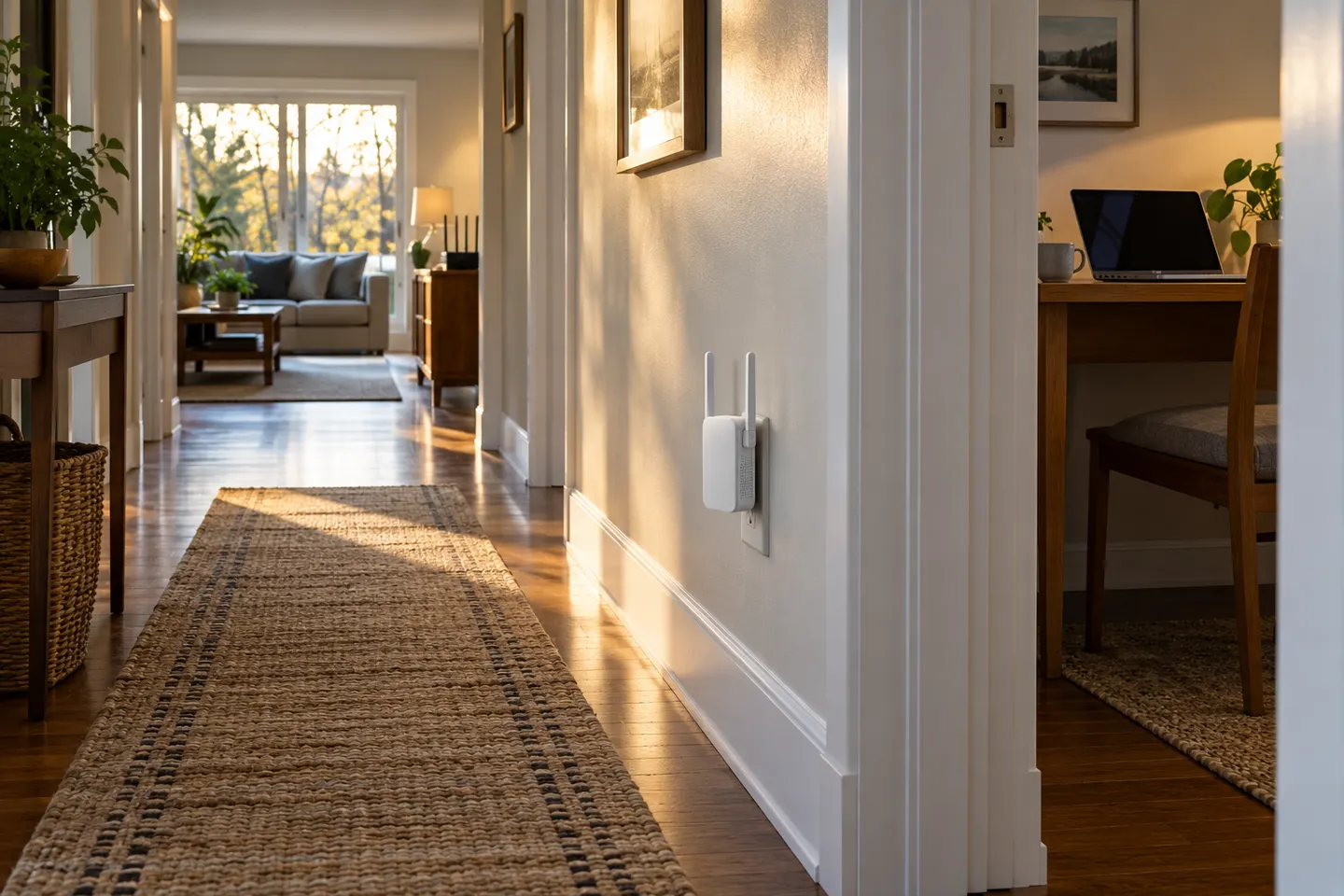 Home
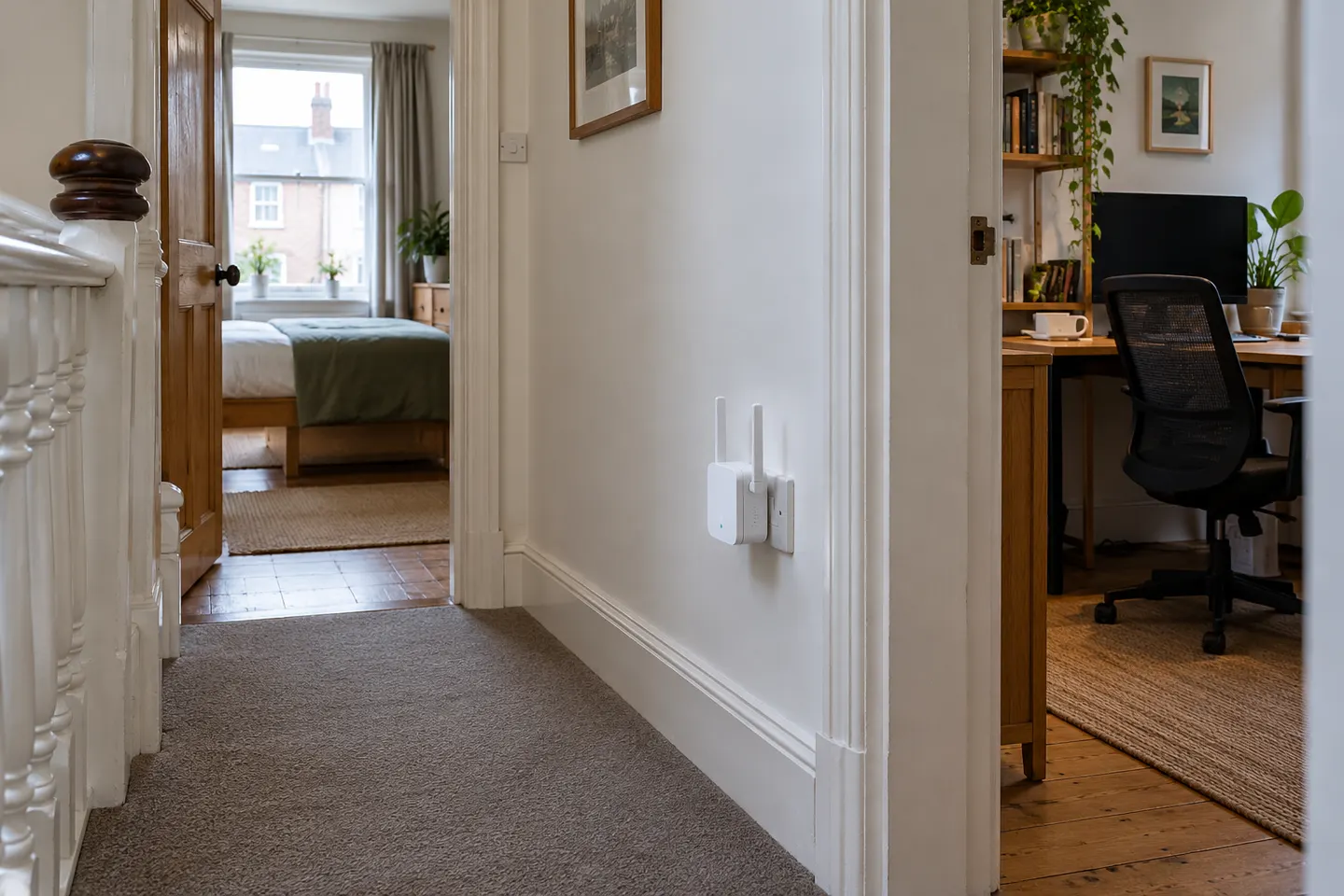 At home
 Google home as
Common questions
Questions before you buy
Will one WiFi extender cover a large house?
It may improve coverage in a limited area if it can receive a healthy signal from the router. For several distant or separated dead zones, compare a mesh system or wired access points instead of expecting one extender to cover every room.
Where should I place an extender in a large home?
Place it between the router and the weak area, where the router’s signal is still reliable. A device at the edge of coverage cannot repeat a strong connection; use its signal indicator or setup app to refine the spot.
Is a mesh system better than an extender for multiple floors?
A coordinated mesh system can make roaming and multi-node coverage easier across floors. An extender is a simpler option for a specific weak area, especially when you can place it within good router range.
Does a WiFi booster increase my internet plan speed?
No. An extender relays the connection from your router and cannot raise the speed delivered by your internet provider. The extra wireless hop can also reduce throughput, depending on the equipment and conditions.