





 Official manufacturer image
Our picks
Top picks
Official manufacturer image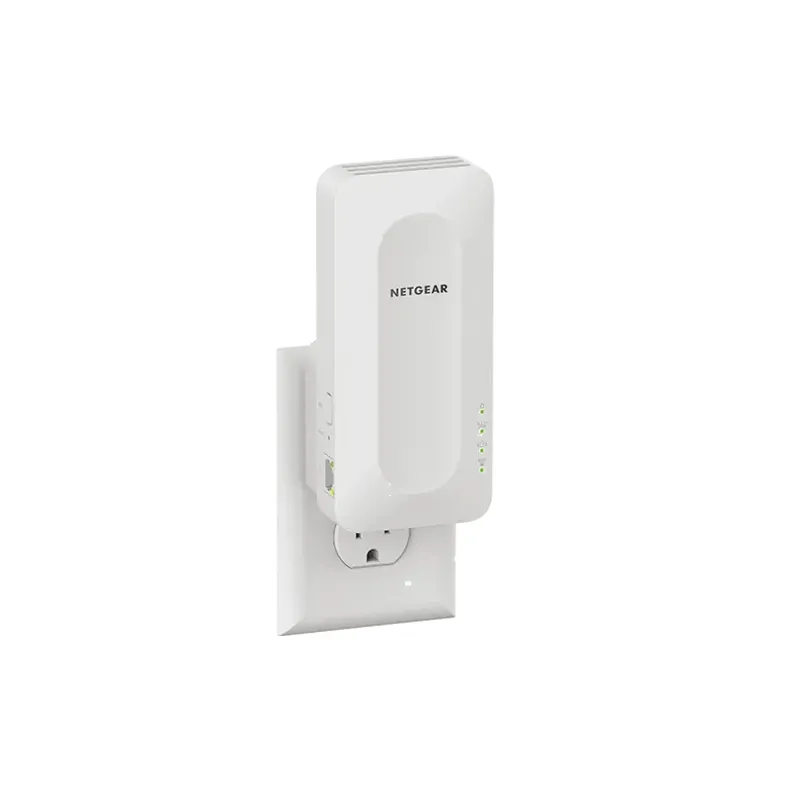 Official manufacturer image
NETGEAR EAX15
Check price on Amazon.ca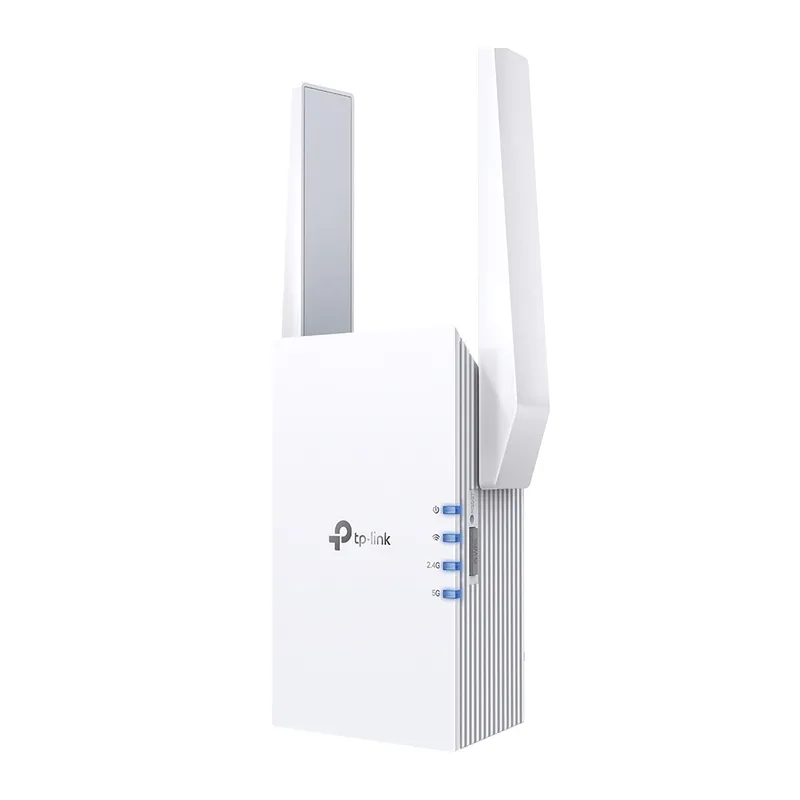 Official manufacturer image
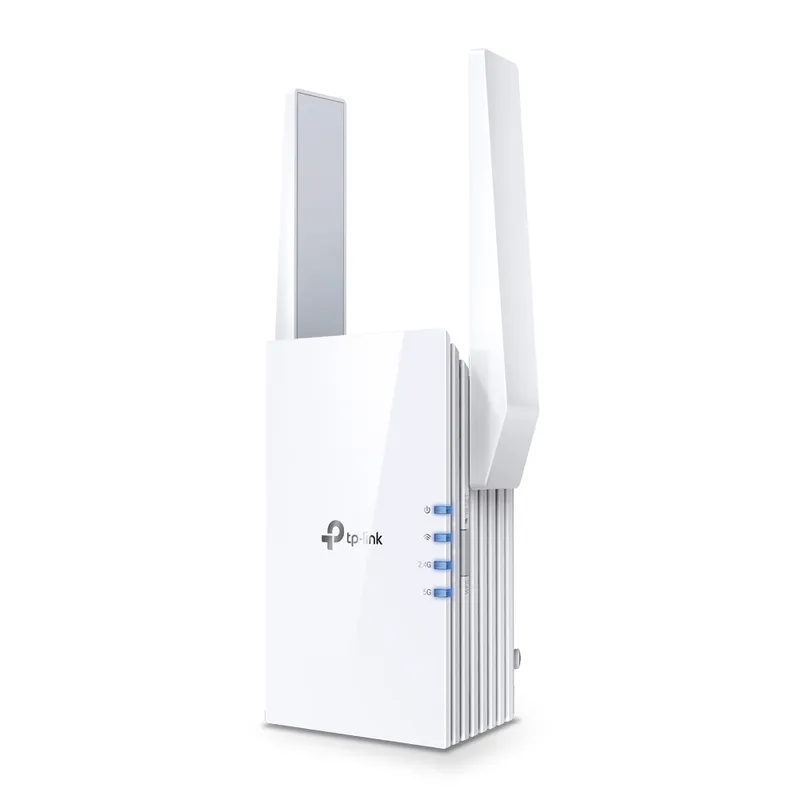
TP-Link RE605X
Check price on Amazon.caBy place and use
 Long
Common questions
Questions before you buy
How far can a WiFi range extender reach?
There is no fixed maximum that applies across homes. Construction, interference, antenna placement and the signal available at the extender all affect usable coverage.
Can a WiFi extender reach 500 feet or one mile?
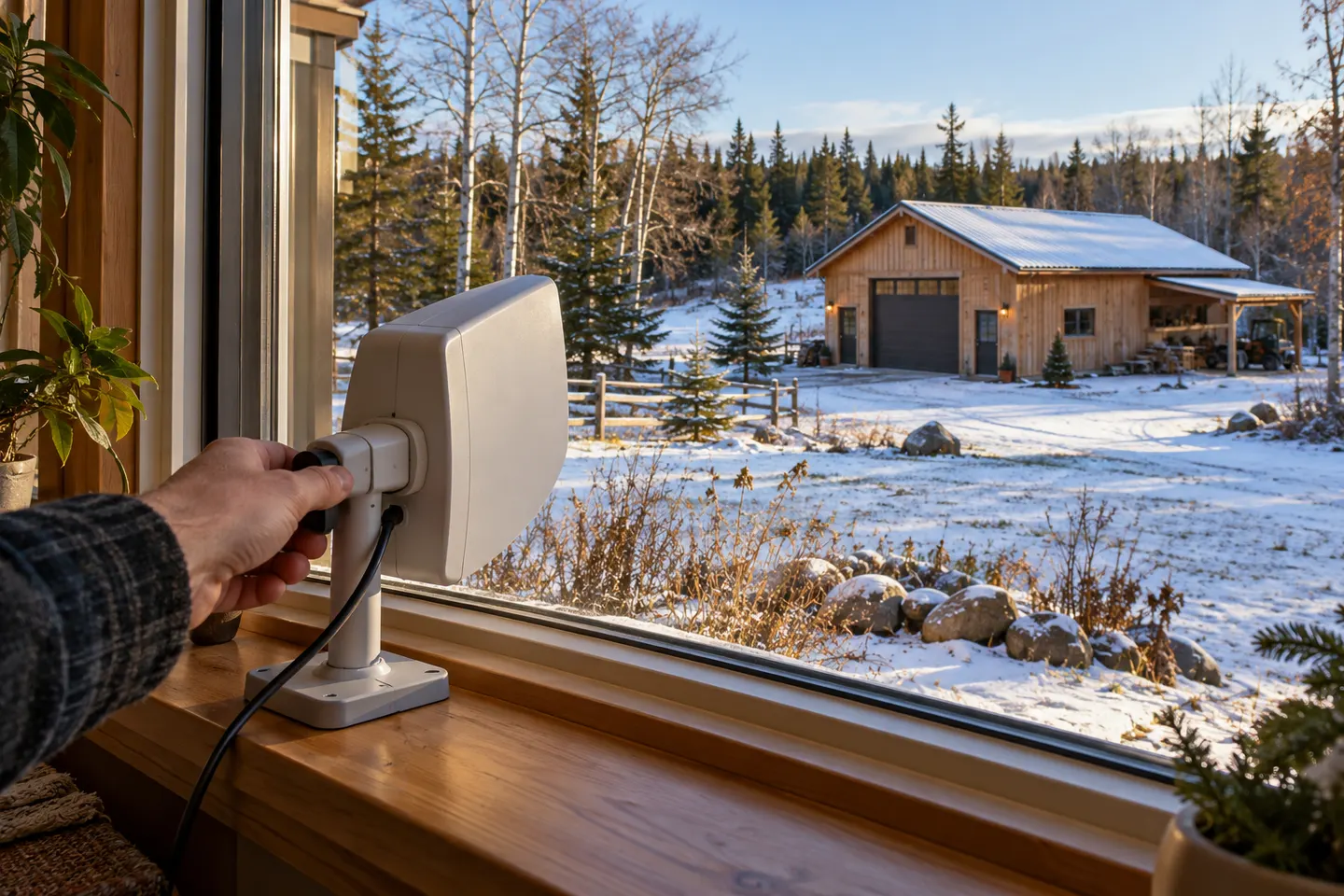
A typical indoor plug-in repeater should not be assumed to cover those distances. A long outdoor link may need directional equipment, clear line of sight and compliant installation.
Where should an indoor long-range extender go?
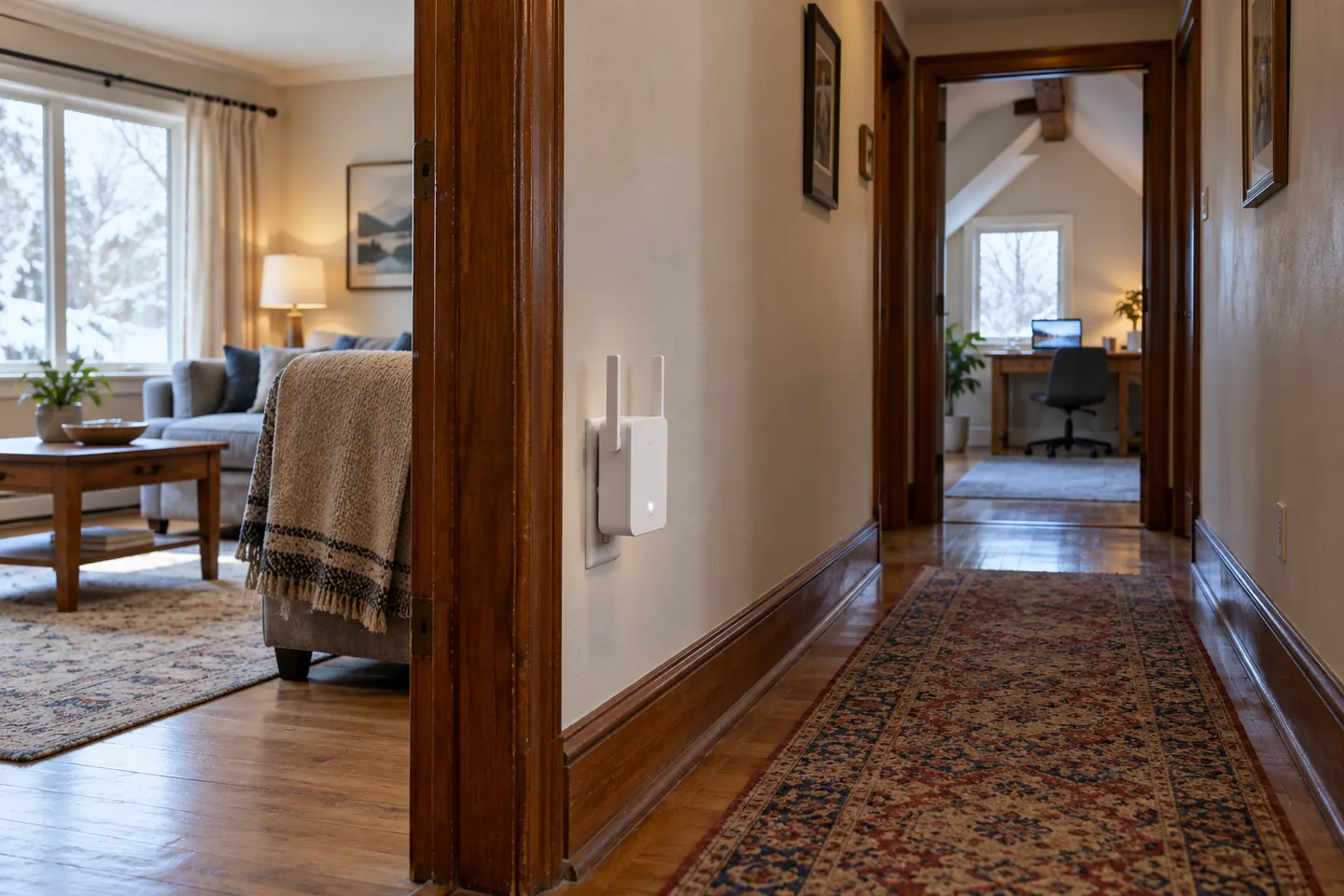
Place it where the router signal is still strong enough to repeat, roughly along the route to the target area. Putting it inside the dead zone gives it a weak source to retransmit.
Is a WiFi extender suitable for an RV or boat?
Choose equipment explicitly designed for mobile or marine conditions and verify its power, mounting and network-source requirements. A household indoor extender may not be weatherproof or appropriate for travel.
Does a stronger antenna guarantee more coverage?
No. Antenna direction and radio conditions matter, and a directional antenna concentrates energy toward a narrower area. Match the design to the layout rather than relying on a single range number.