What cameras create the 360-degree view?
Factory systems commonly use wide-angle cameras at the front, rear and beneath or near the door mirrors. Their views overlap around the vehicle.

 Best picksBest Meat Thermometers in the UK for 2026
 Best picksThe Best Dashcams in the UK for 2026
 Best picksBest Air Purifiers in the UK for Different Rooms and Needs
Gearjury may earn a commission when you buy through a retailer link. Editorial conclusions are based on cited evidence.
Guide
A 360-degree car camera combines feeds from wide-angle cameras around the vehicle, corrects lens distortion and stitches them into a simulated overhead view. It is a parking aid, not a literal camera above the car.
Factory systems commonly use wide-angle cameras at the front, rear and beneath or near the door mirrors. Their views overlap around the vehicle.
Software corrects the curved wide-angle images, maps them onto a flat surround area and stitches the overlaps together. A vehicle graphic fills the centre where no overhead camera exists.
Each lens sees the scene from a low, different angle. Stitching boundaries, tall objects and anything very close to a camera can therefore appear bent, duplicated or missing.
The system relies on the known position and angle of every camera. Body repairs, mirror replacement or camera movement can misalign the composite view and may require the manufacturer's calibration procedure.
No. A surround-view parking system creates a manoeuvring view around the car. A so-called 360 dash cam may use one or more lenses to record a wide cabin or road scene without generating the same calibrated overhead image.
Common questions
It does not. Software transforms and combines ground-level camera feeds to simulate an overhead viewpoint.
Not necessarily. Some vehicles can store selected camera footage, but many surround-view systems are designed primarily for live parking assistance.
No. Small, low, tall or moving objects can fall into blind or distorted areas, especially near stitched image boundaries.
The composite depends on precise camera angles. Moving a mirror, bumper or camera can shift the joins and distance representation.
Keep exploring

A dual-camera kit is the direct choice when you want the road ahead and traffic behind in the same recording system. Check rear resolution and cable length, not just the headline front-camera specification.
The Nextbase 622GW is our balanced UK pick for its detailed recording, stabilisation and accessible touchscreen. Garmin Mini 3 suits a discreet fit, while VIOFO A329S covers the front and rear at high resolution.
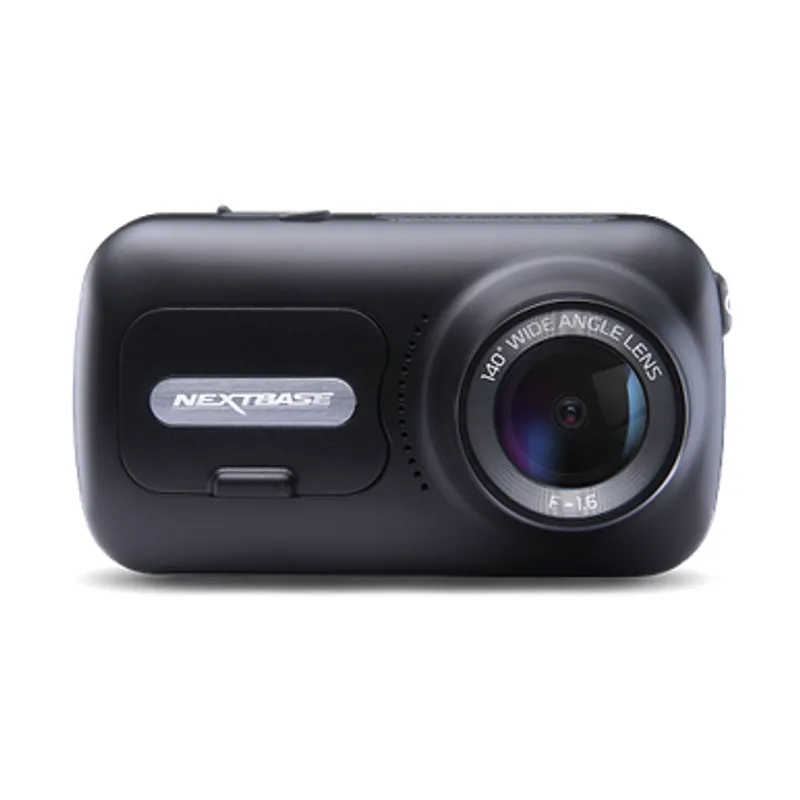
The 622GW has the strongest recording specification in this trio; the 522GW keeps the large touchscreen and polarising filter at 2K, while the 322GW covers the essentials.

Start with the coverage you need: a discreet front camera for the road ahead, or a front-and-rear system for evidence from both directions. Our guides then narrow the choice by installation, connectivity and brand.