Where to place a dashcam on the windscreen
Sit in the normal driving position and find a high central area that does not block your view. Behind the rear-view mirror is often discreet, but leave access to buttons and the memory card.

 Best picksBest Meat Thermometers in the UK for 2026
 Best picksThe Best Dashcams in the UK for 2026
 Best picksBest Air Purifiers in the UK for Different Rooms and Needs
Gearjury may earn a commission when you buy through a retailer link.
Guide
Place the camera high on the windscreen, commonly behind or close to the rear-view mirror, provided the lens has a clear view and the unit does not intrude into the driver's critical field of vision.
Sit in the normal driving position and find a high central area that does not block your view. Behind the rear-view mirror is often discreet, but leave access to buttons and the memory card.
Do not let the camera or mount materially obscure the swept area or critical view. MOT guidance distinguishes the area directly ahead of the driver from the wider swept windscreen, so minimise intrusion.
Power the camera and preview the frame. Include useful road context without filling the image with dashboard or sky, and ensure wipers clear the lens area.
Consult the vehicle manual before covering a sensor housing or special windscreen zone. Keep adhesive on a suitable clean surface and allow for removal.
Follow the trim path recommended by the camera and vehicle manufacturers. Never run a cable across an airbag deployment route or leave it loose near controls.
Centre it where practical, confirm the wiper clears its view and test the hatch through its full movement before fixing the cable.
Common questions
High and near the centre is usually effective, often behind the mirror, as long as the driver's view remains clear and the lens looks through a wiped area.
Yes, if the camera fits, remains operable and does not interfere with mirror sensors or the driver's view.
Choose the side that keeps the body and cable least intrusive while preserving a centred road view. The exact answer depends on the camera shape and vehicle.
A device that significantly obstructs the required view can be a defect. Keep the mount and camera out of the critical viewing area.
Keep exploring

A dual-camera kit is the direct choice when you want the road ahead and traffic behind in the same recording system. Check rear resolution and cable length, not just the headline front-camera specification.
The Nextbase 622GW is our balanced UK pick for its detailed recording, stabilisation and accessible touchscreen. Garmin Mini 3 suits a discreet fit, while VIOFO A329S covers the front and rear at high resolution.
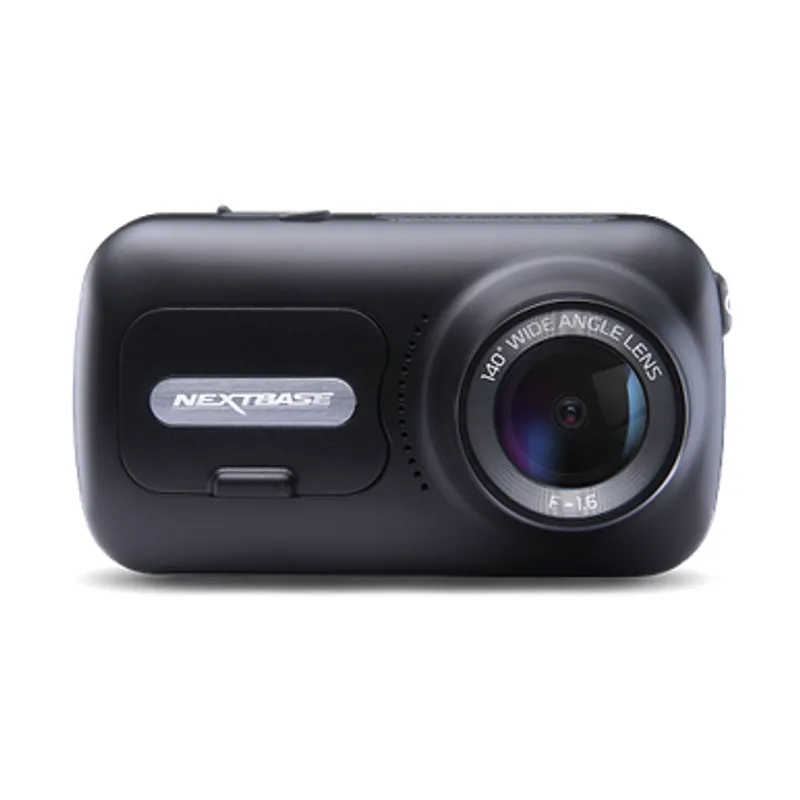
The 622GW has the strongest recording specification in this trio; the 522GW keeps the large touchscreen and polarising filter at 2K, while the 322GW covers the essentials.

Start with the coverage you need: a discreet front camera for the road ahead, or a front-and-rear system for evidence from both directions. Our guides then narrow the choice by installation, connectivity and brand.