Where should a dash cam be positioned?
Choose a high position near the rear-view mirror that gives the lens a centred view of the road. Sit in the normal driving position and confirm that neither camera nor mount blocks your view.

 Best picksBest Meat Thermometers in the UK for 2026
 Best picksThe Best Dashcams in the UK for 2026
 Best picksBest Air Purifiers in the UK for Different Rooms and Needs
Some recommended retailer links are affiliate links and may earn Gearjury a commission.
Guide
Mount it high on the windscreen, commonly behind the rear-view mirror, while keeping the lens in a swept area and the unit outside the driver's critical view.
Choose a high position near the rear-view mirror that gives the lens a centred view of the road. Sit in the normal driving position and confirm that neither camera nor mount blocks your view.
A clear recording needs glass that the wipers can clean. Leave space around dotted shading, mirror housings and vehicle sensors so the lens and adhesive sit on suitable glass.
Power the camera temporarily, display its live view and level the horizon. Include enough road and sky for context without filling the frame with the bonnet or dashboard.
Follow the supplied installation instructions and never tuck a lead across an airbag deployment path. If trim removal or fuse-box work is required, use a competent installer.
Mount an interior rear unit where it sees through a clear, heated section of glass and does not obstruct the driver's rearward view. Check that the boot lid or tailgate can move without pulling the cable.
Check that reflections, trim and wiper edges do not dominate the image. Re-aim the lens within the mount's permitted adjustment rather than repeatedly removing an adhesive pad.
Common questions
Often yes, and it can keep the unit out of the driver's direct sightline. Make sure the lens is unobstructed and the mount does not cover a vehicle sensor.
Choose the side that keeps the camera outside the driver's view while preserving access to buttons and the memory card. The best side varies with the car and camera shape.
A central lens usually gives balanced coverage, but the physical unit must still meet visibility requirements. An offset mount can work if the lens remains correctly aimed.
Only if the manufacturer permits it and the view is clear. Low placement is more prone to dashboard reflection and may show less of the road.
Keep exploring
The Nextbase 622GW is our balanced UK pick for its detailed recording, stabilisation and accessible touchscreen. Garmin Mini 3 suits a discreet fit, while VIOFO A329S covers the front and rear at high resolution.

A dual-camera kit is the direct choice when you want the road ahead and traffic behind in the same recording system. Check rear resolution and cable length, not just the headline front-camera specification.

Start with the coverage you need: a discreet front camera for the road ahead, or a front-and-rear system for evidence from both directions. Our guides then narrow the choice by installation, connectivity and brand.
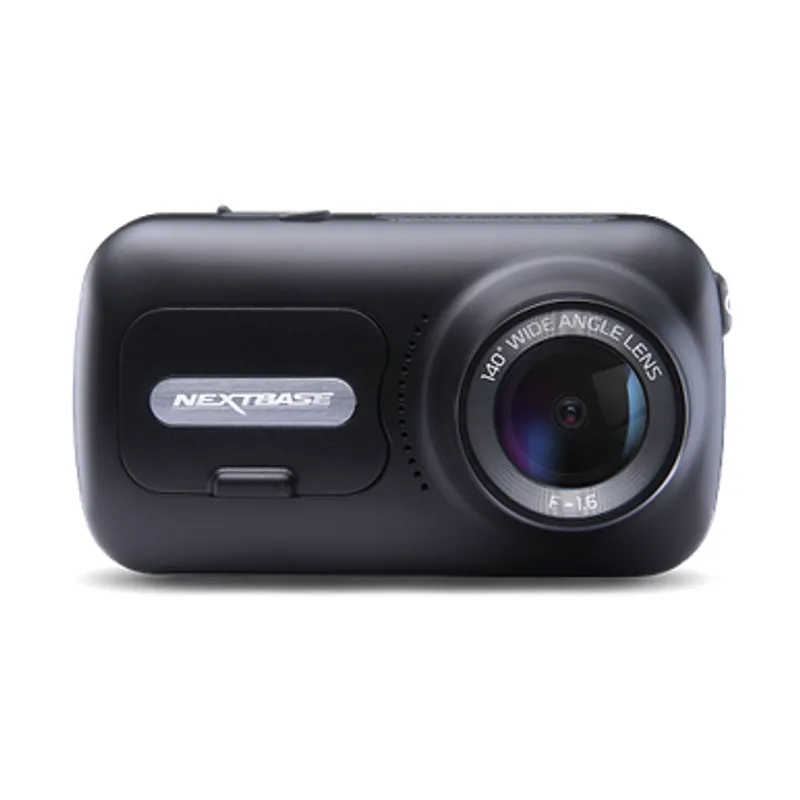
The 622GW has the strongest recording specification in this trio; the 522GW keeps the large touchscreen and polarising filter at 2K, while the 322GW covers the essentials.