



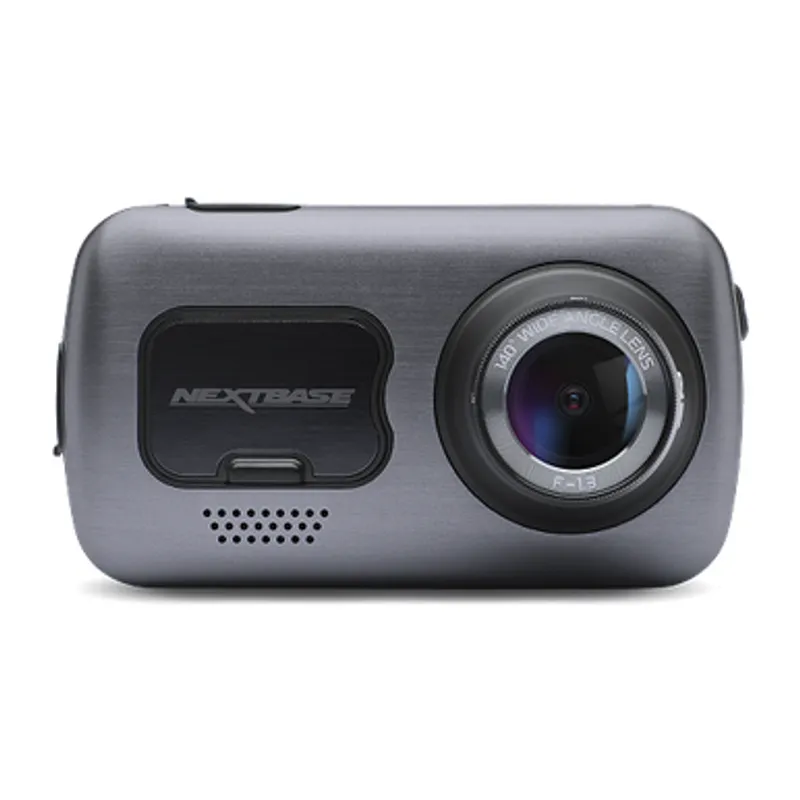
 Official manufacturer image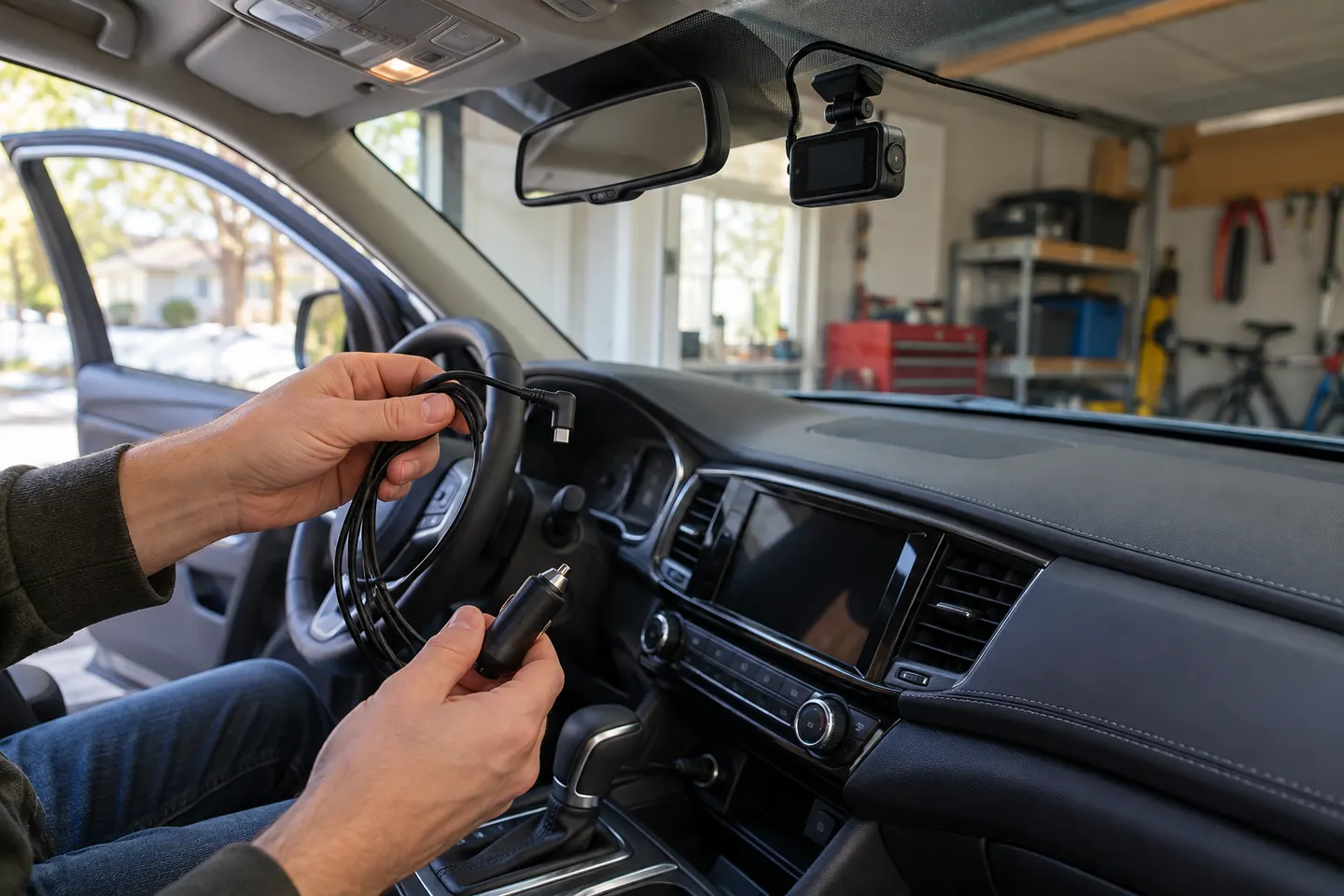
Our picks
Top picks
Official manufacturer image Official manufacturer image
Garmin Dash Cam X310
Check price on Amazon UK Official manufacturer image
VIOFO A329S 2CH
Check price on Amazon UKCommon questions
Questions before you buy
What does a professional dash cam installation include?
It should include secure camera placement, safe cable routing and connection using the agreed power method. Confirm whether the kit, rear-camera route and parking-mode setup are included.
Is hardwiring better than using the car socket?
Hardwiring gives a tidier result and can enable compatible parking modes. Socket power is easier to remove and may be enough if you only record while driving.
How long does a front-and-rear installation take?
It normally takes longer than a front-only fit because the installer must route and secure a cable through the cabin. Vehicle shape and trim determine the actual time.
Can dash cam installation drain the car battery?
A permanent-power setup can draw energy while parked. Use a compatible kit with low-voltage protection and configure the cut-off as directed by the camera and vehicle guidance.