



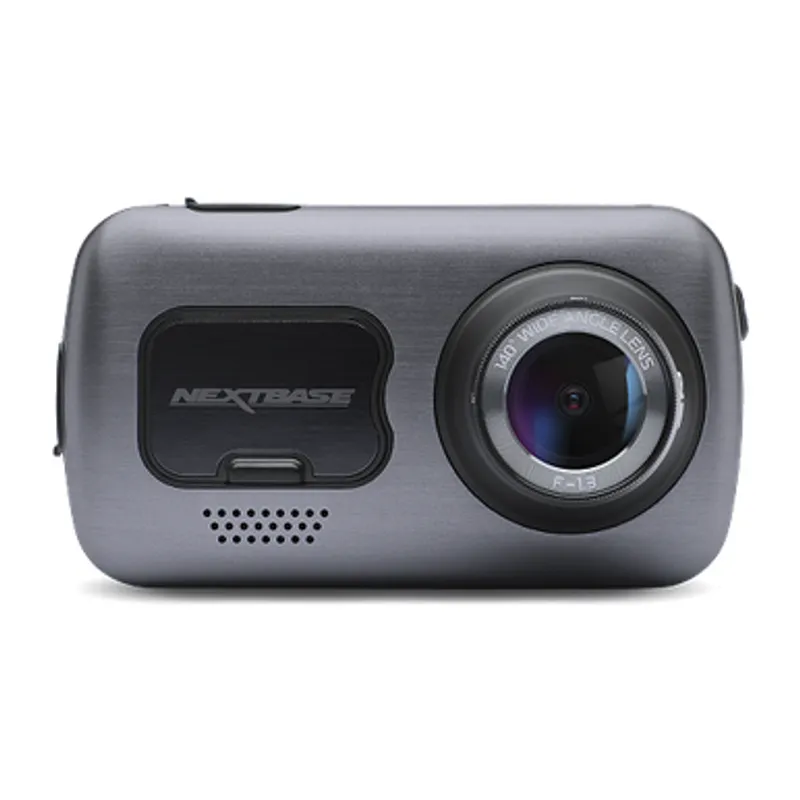
 Official manufacturer image
Our picks
Top picks
Official manufacturer image Official manufacturer image
Garmin Dash Cam X310
Check price on Amazon UK Official manufacturer image
VIOFO A329S 2CH
Check price on Amazon UKBy feature
Common questions
Questions before you buy
Do dash cams have night vision?
Many have low-light processing or HDR, while some cabin cameras add infrared LEDs. These features differ, so compare sample footage and specifications rather than the label alone.
Can a night vision dash cam see in complete darkness?
A road-facing camera still needs usable light unless it has a suitable illumination system. Vehicle headlamps normally provide much of that light while driving.
Does HDR improve dash-cam footage at night?
HDR can help balance bright and dark areas, such as headlights against a dim road. Its effectiveness depends on sensor, processing and motion.
Are infrared dash cams better for night driving?
Infrared is valuable for a dark cabin, especially in taxi-style systems. It is not automatically better for filming the road through a windscreen.