



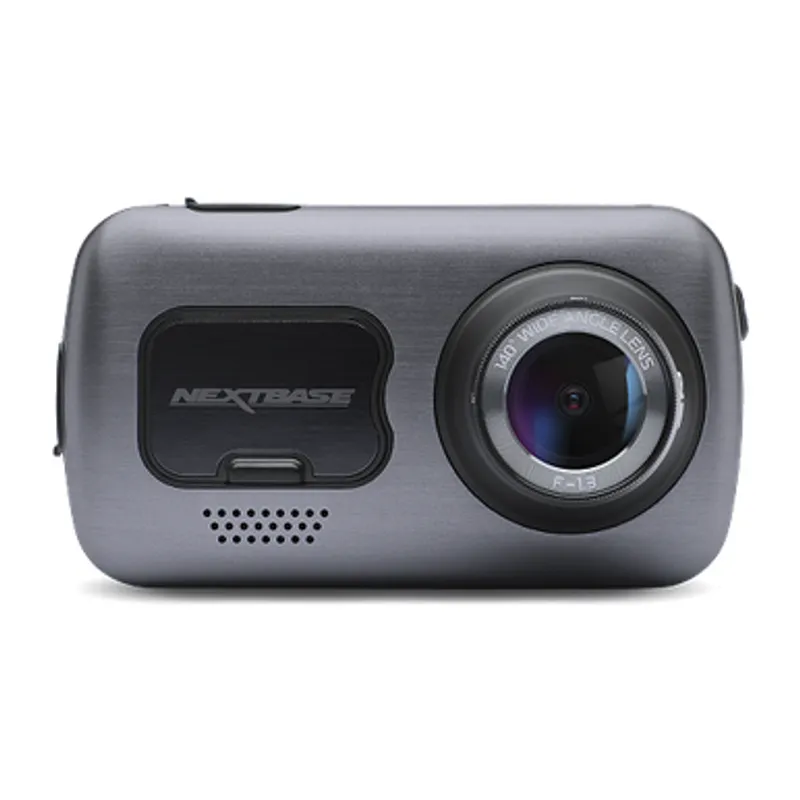
 Official manufacturer image
Our picks
Top picks
Official manufacturer image Official manufacturer image
Garmin Dash Cam X310
Check price on Amazon UK Official manufacturer image
VIOFO A329S 2CH
Check price on Amazon UKCommon questions
Questions before you buy
Does a car camera record all the time?
It normally records while powered and may switch to a separate parking mode after the ignition is off. Exact behaviour depends on the power connection and camera settings.
What happens when a dash cam memory card is full?
With loop recording enabled, the camera generally overwrites the oldest ordinary files. Protected files may be handled separately and can reduce available space if never reviewed.
How do I save dash cam footage after an accident?
Use the camera's protect function if safe, then copy the relevant original files as soon as possible. Keep an untouched copy and note the correct date and time.
Does parking mode record continuously?
Some cameras record continuously at a reduced rate, while others wait for motion or impact. The selected mode affects power use, storage and what happens before an event.
Can a recording car camera capture sound?
Many models can record cabin audio, often with a mute control. Consider passenger privacy and turn audio off if it is not needed.