



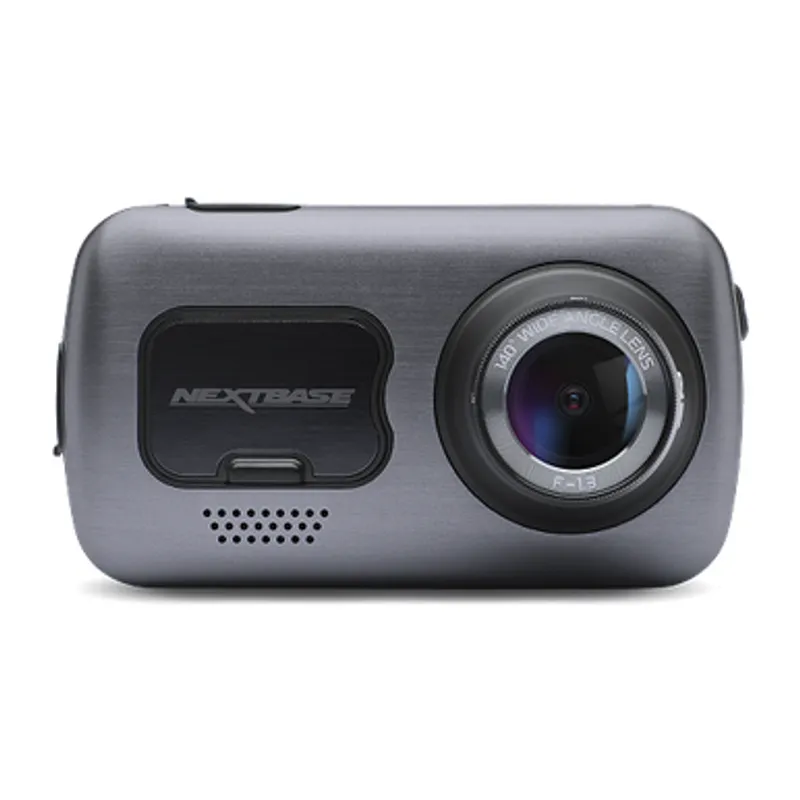
 Official manufacturer image
Our picks
Top picks
Official manufacturer image Official manufacturer image
Garmin Dash Cam X310
Check price on Amazon UK Official manufacturer image
VIOFO A329S 2CH
Check price on Amazon UKCommon questions
Questions before you buy
Can taxi drivers use a dash cam in the UK?
Often yes, but licensed-vehicle conditions vary by local authority. A road-facing dash cam and a cabin CCTV system may be treated differently, so obtain the applicable policy first.
Can a taxi dash cam record passengers?
A cabin camera can, but passengers' images are personal data. The operator needs a lawful, transparent and secure approach consistent with ICO guidance and local licensing rules.
Should a taxi dashcam record audio?
Audio is more intrusive than silent video and may be restricted by policy. Do not enable it by default without a clear lawful need and the required notices.
What camera coverage is useful for taxis?
Front and rear channels cover road incidents; a cabin channel covers the passenger area. More channels increase installation complexity, storage demand and privacy obligations.
How should taxi dash cam footage be stored?
Limit access, retain footage only as long as justified and protect exports from unauthorised sharing. Follow the licensing policy and ICO data-protection guidance that applies to the operator.