






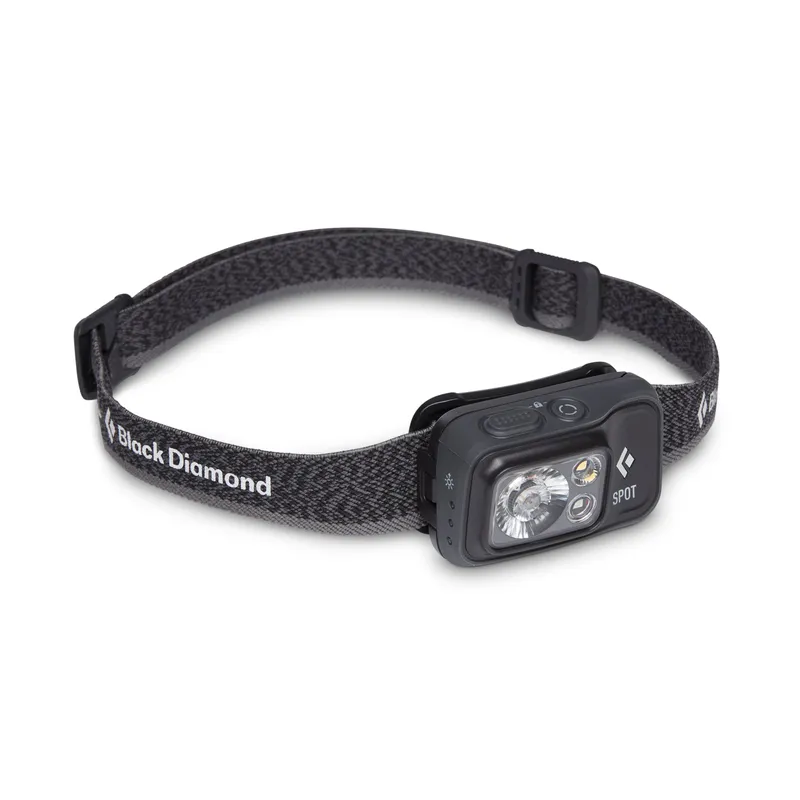
 Official manufacturer image
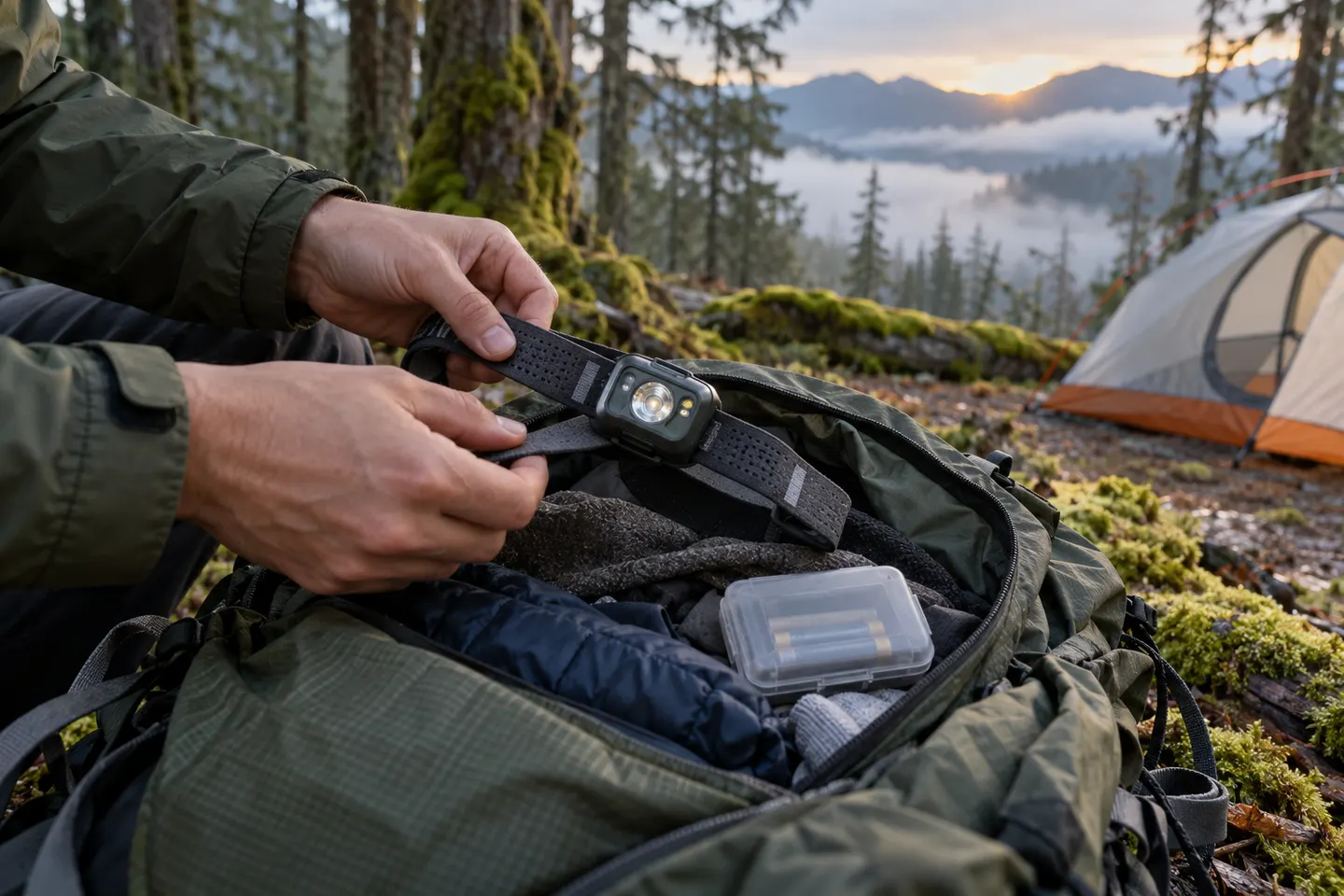
Our picks
Top picks
Official manufacturer image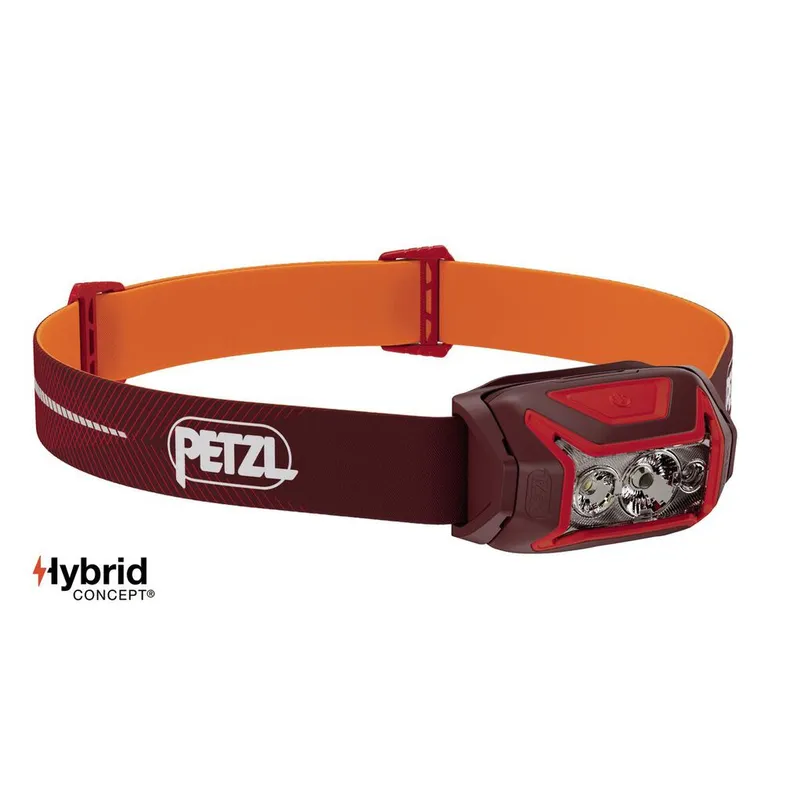 Official manufacturer image
Petzl ACTIK CORE
Check price on Amazon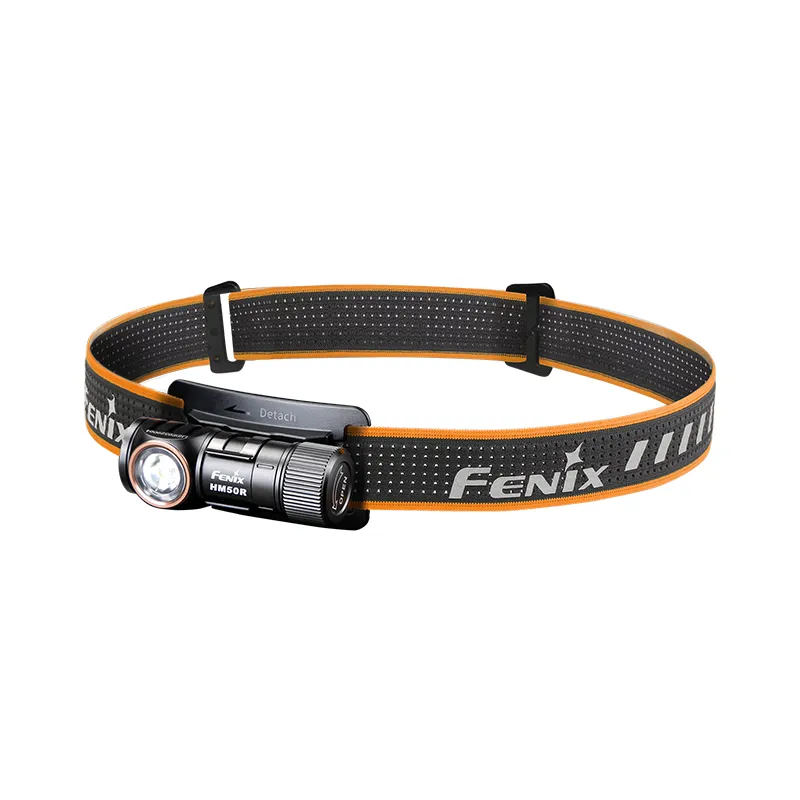 Official manufacturer image
Fenix HM50R V2.0
Check price on AmazonCommon questions
Questions before you buy
What should a backpacking headlamp have?
Start with a comfortable, stable band, a beam suited to both close work and walking, and controls you can use with gloves. Check the maker's runtime information at the brightness you expect to use, then plan charging or spare cells.
Is a rechargeable headlamp suitable for backpacking?
Yes, when you can recharge between outings or carry a power source. For longer trips without reliable charging, a model that also accepts replaceable batteries can offer another way to keep going.
How many lumens do I need on a backpacking trip?
There is no single useful number for every route. Compare beam distance and runtime alongside maximum output, since the brightest setting may drain a battery quickly and is not always needed around camp.
Should I carry a spare headlamp while backpacking?
For remote or multi-night routes, a backup light reduces reliance on one device. It can be a compact second headlamp or another dependable light source, with batteries or charge planned for the full trip.