




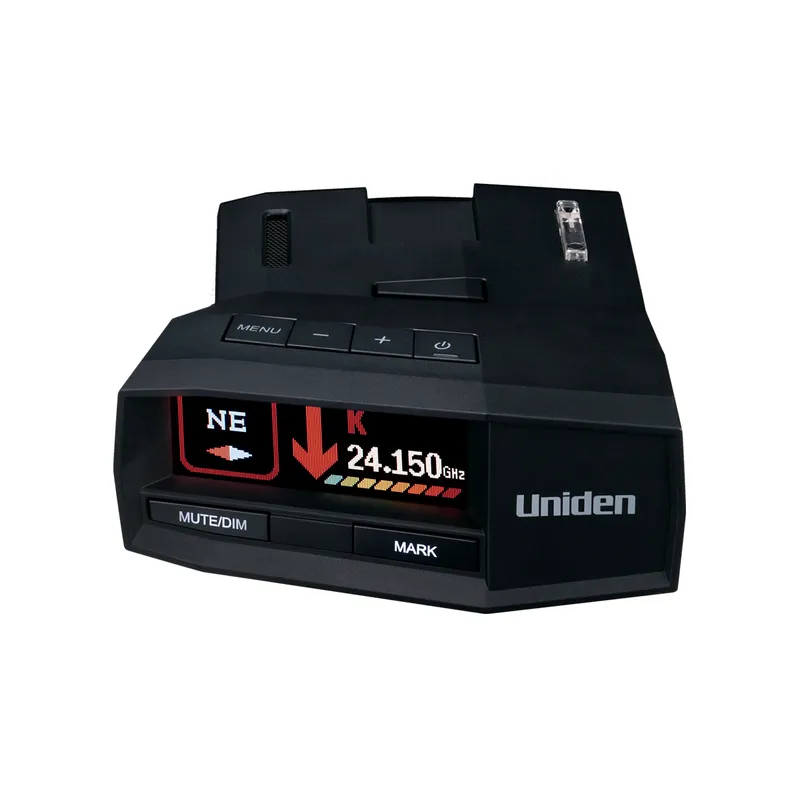
 Official manufacturer image
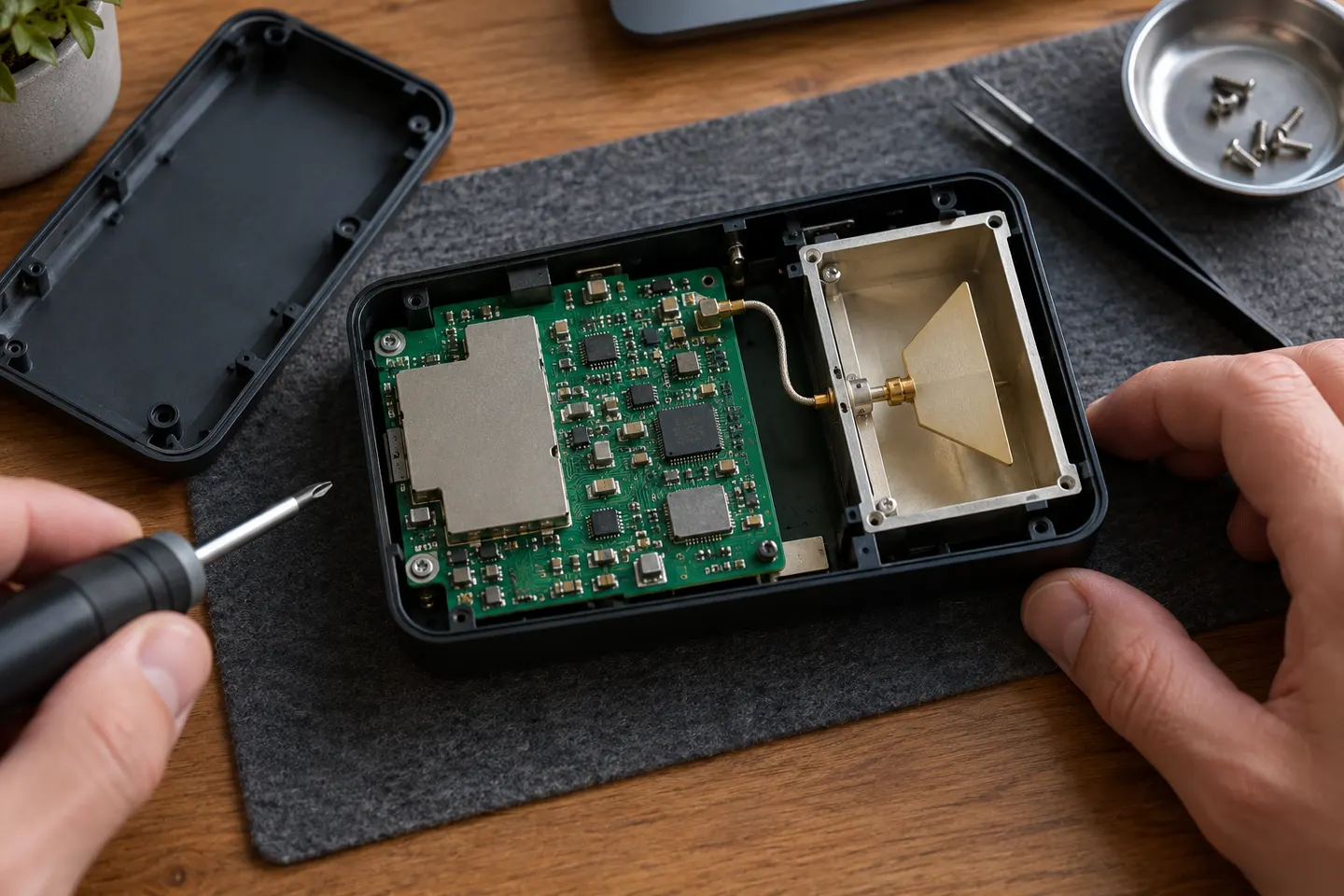
Our picks
Top picks
Official manufacturer image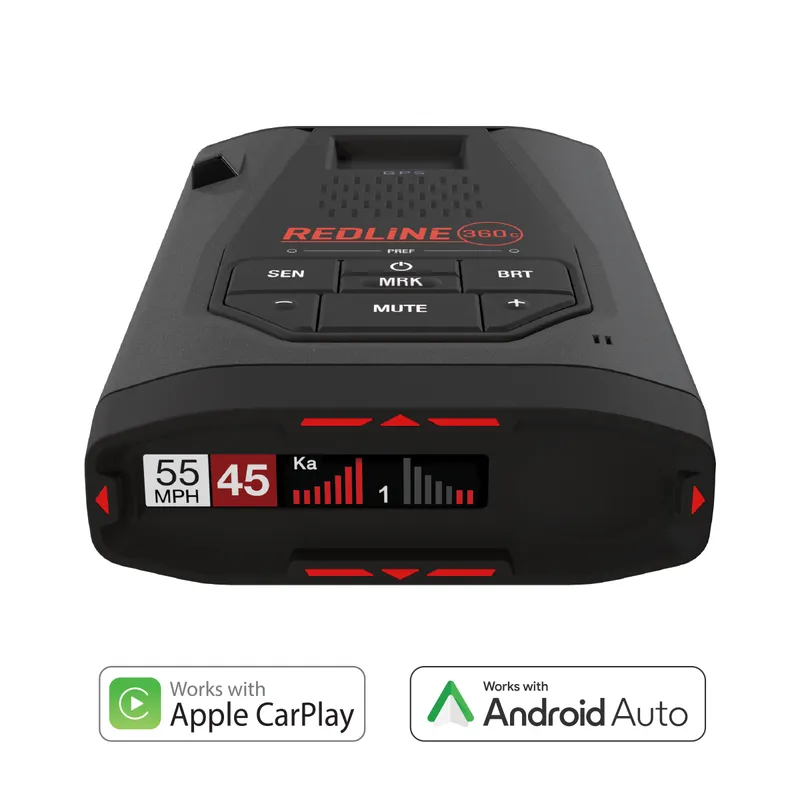 Official manufacturer image
Escort Redline 360c
Check price on Amazon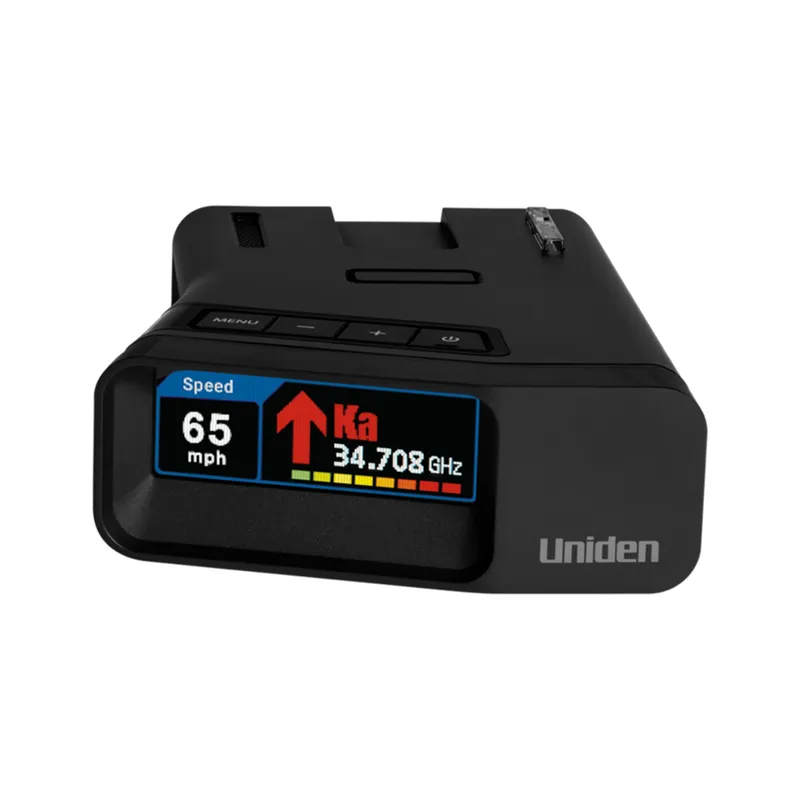 Official manufacturer image
Uniden R7
Check price on AmazonCommon questions
Questions before you buy
What is the difference between a radar detector and a jammer?
A detector passively receives supported signals and alerts the driver. A jammer is intended to interfere with speed measurement and may be unlawful.
Are radar jammers legal in the US?
Federal law prohibits willful or malicious interference with authorized radio communications, and state laws can also address speed-measurement interference. Check current law for your jurisdiction.
Can a radar detector jam police radar?
A conventional detector is designed to receive and alert, not jam. Do not modify equipment to interfere with enforcement signals.
Is a laser jammer the same as a radar detector?
No. Laser jammers attempt to interfere with lidar measurement, while a detector alerts to detected signals. Laws and technical behavior differ.