




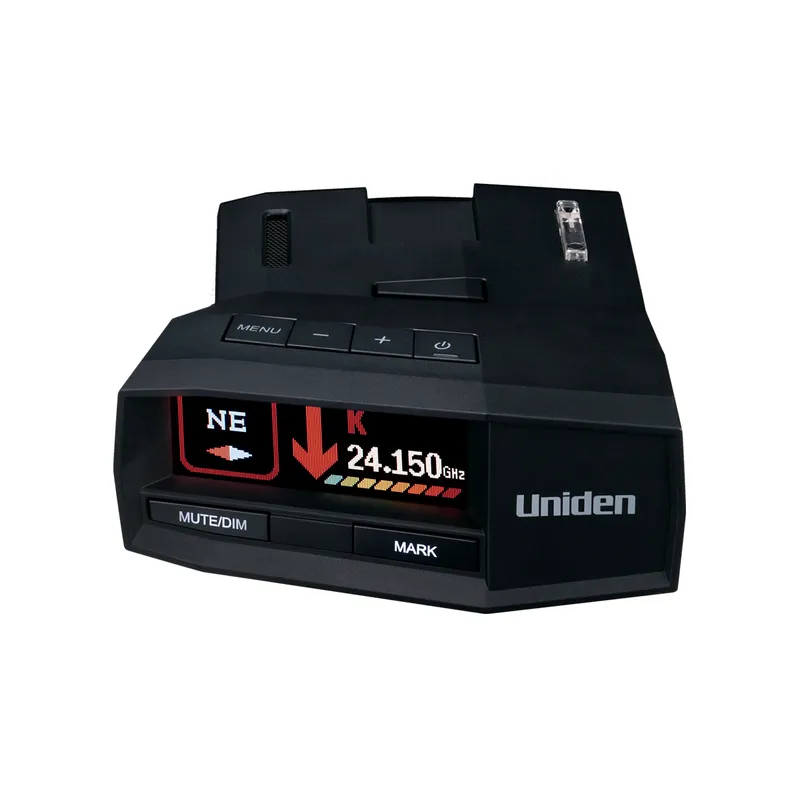
 Official manufacturer image
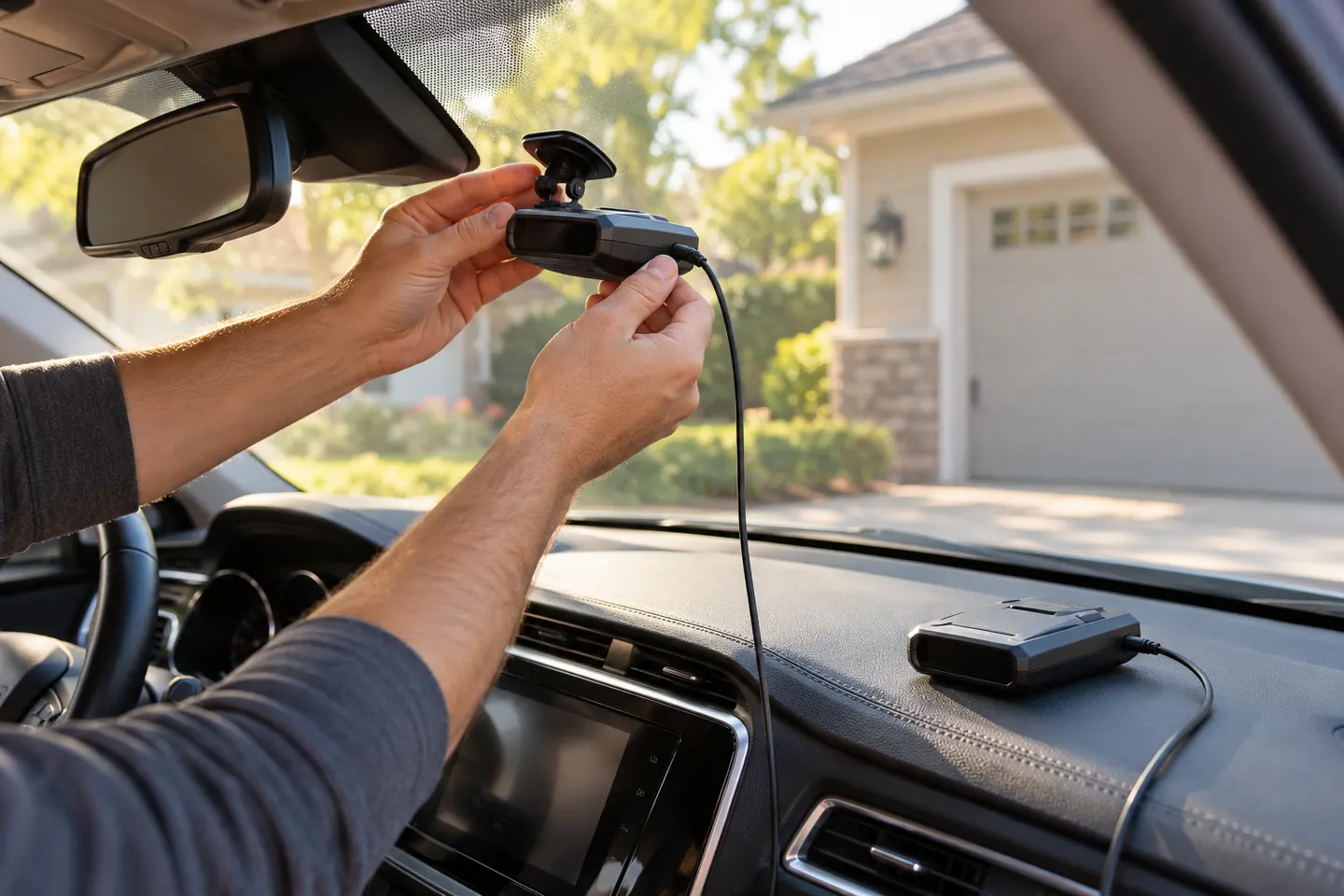
Our picks
Top picks
Official manufacturer image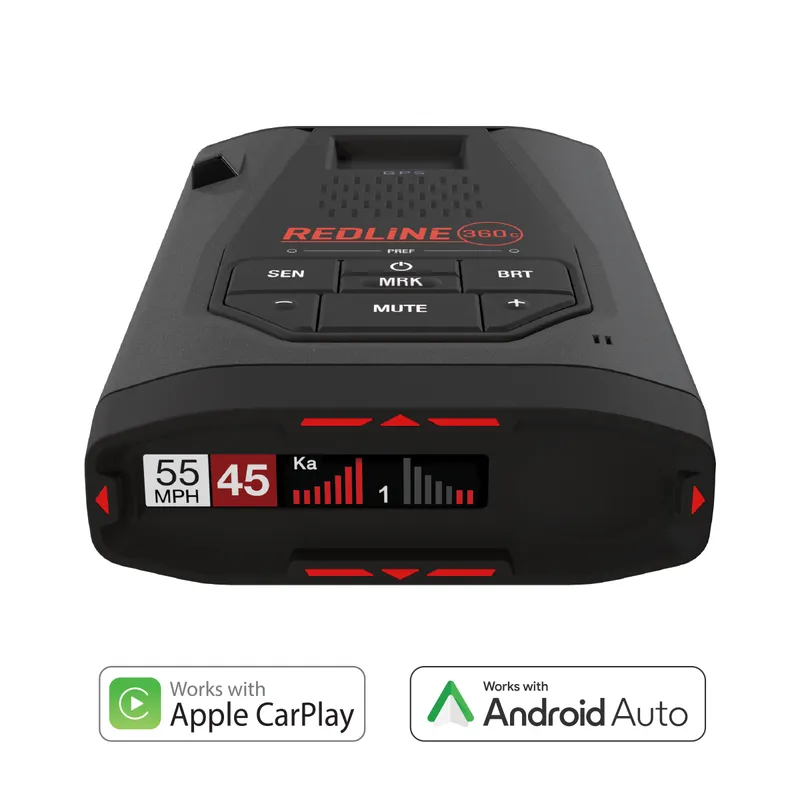 Official manufacturer image
Escort Redline 360c
Check price on Amazon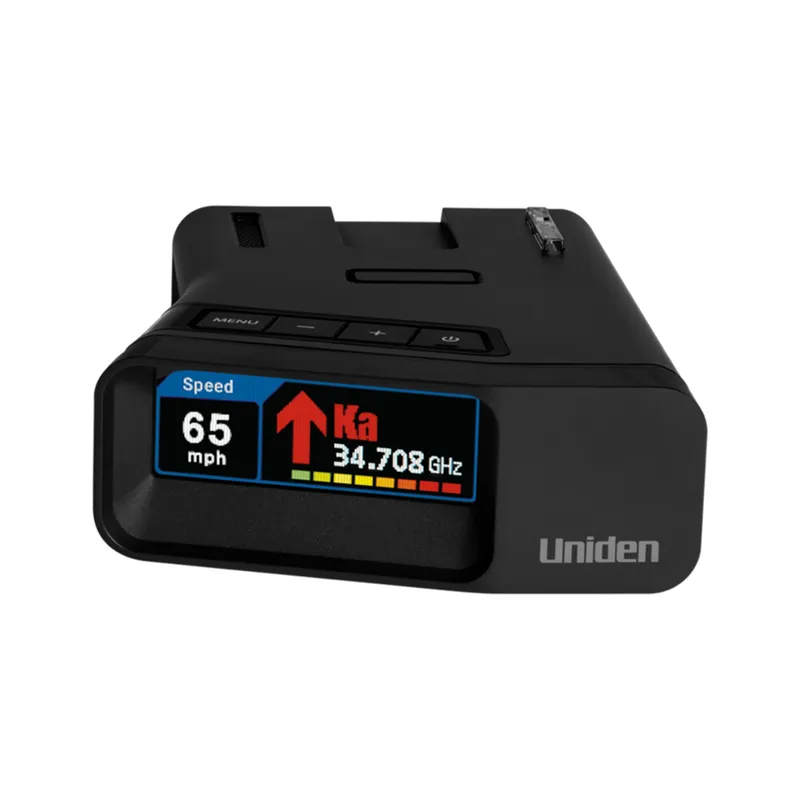 Official manufacturer image
Uniden R7
Check price on AmazonBy type
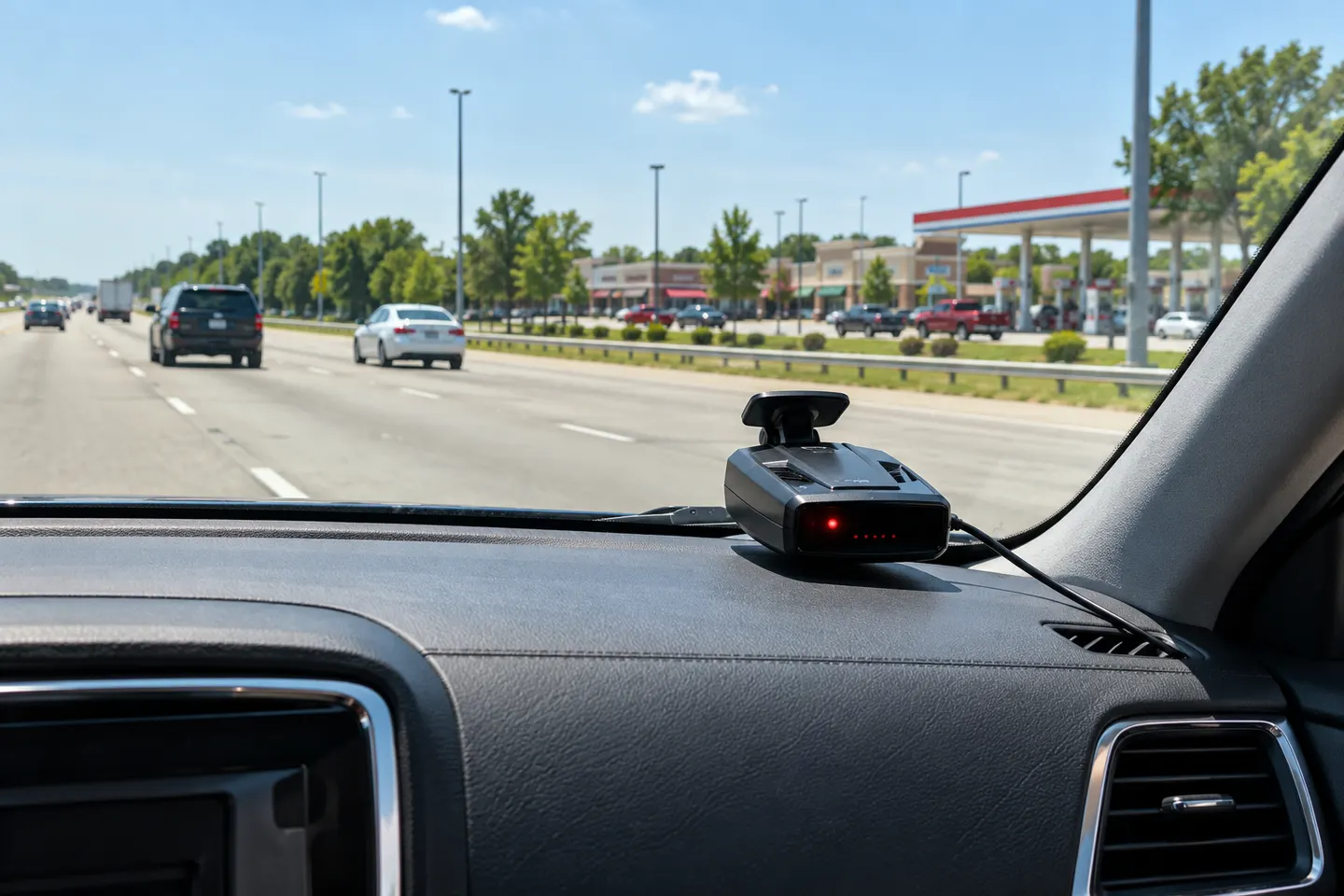 K band
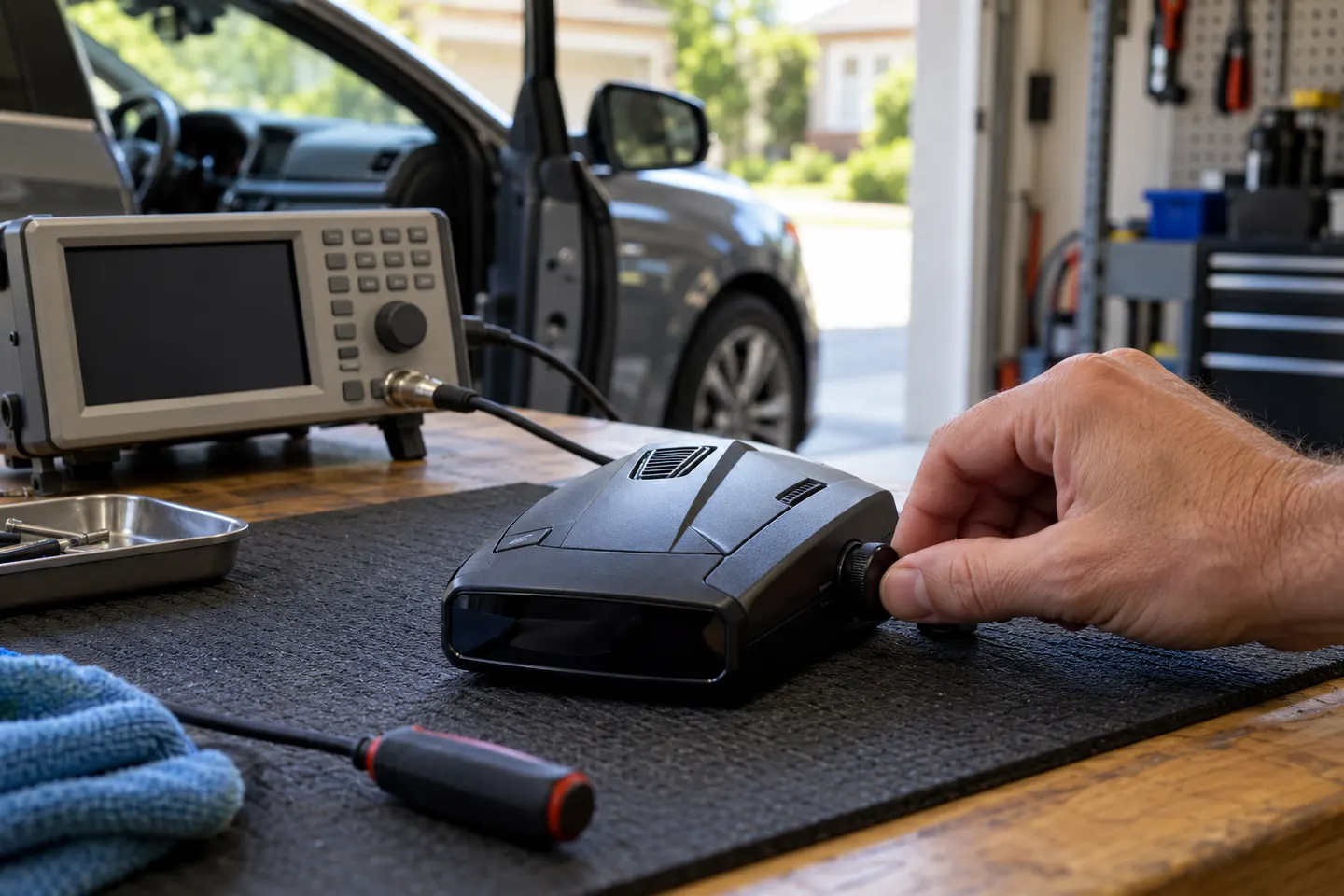 X band
How-to guides
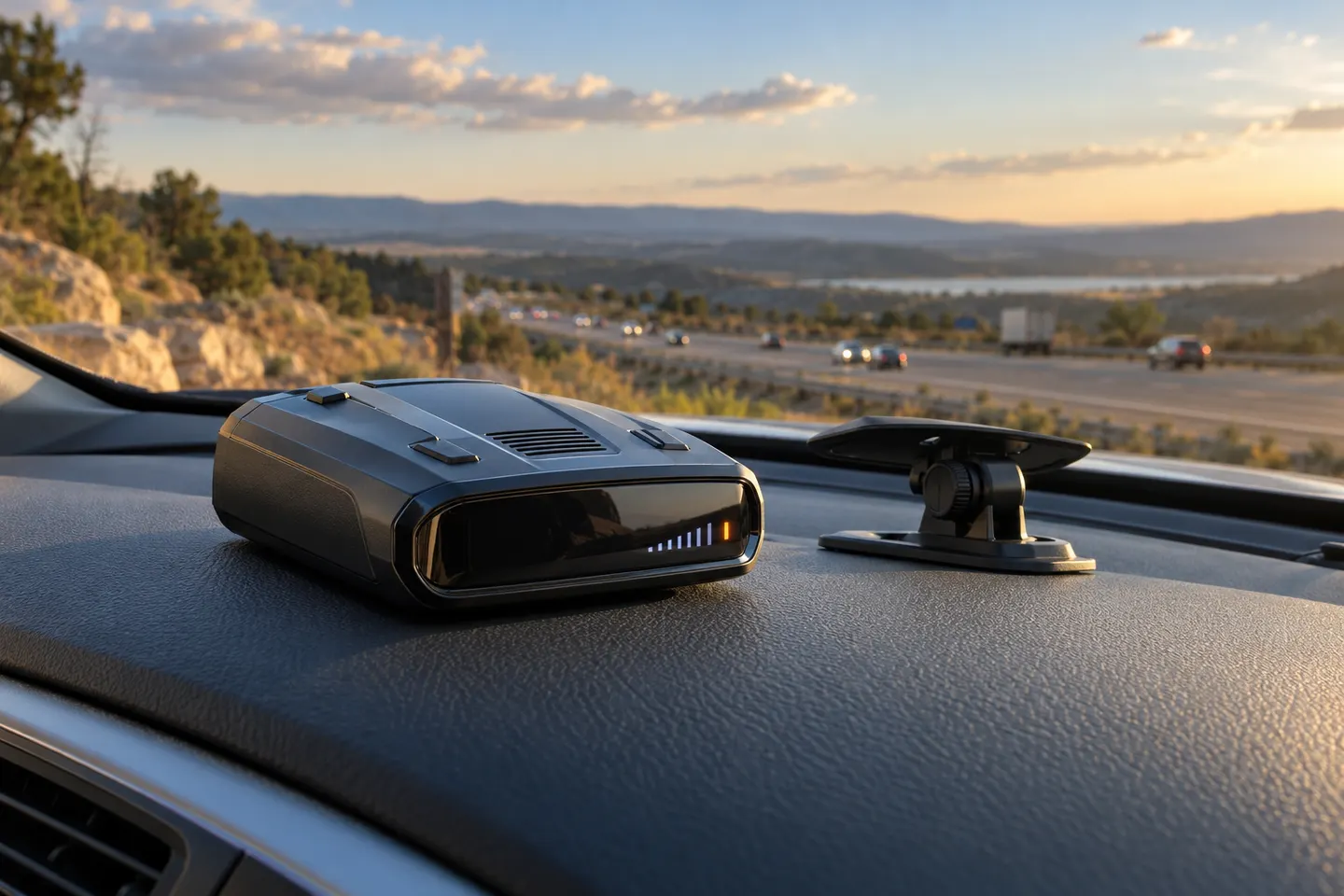 What Is K Band on a Radar Detector?
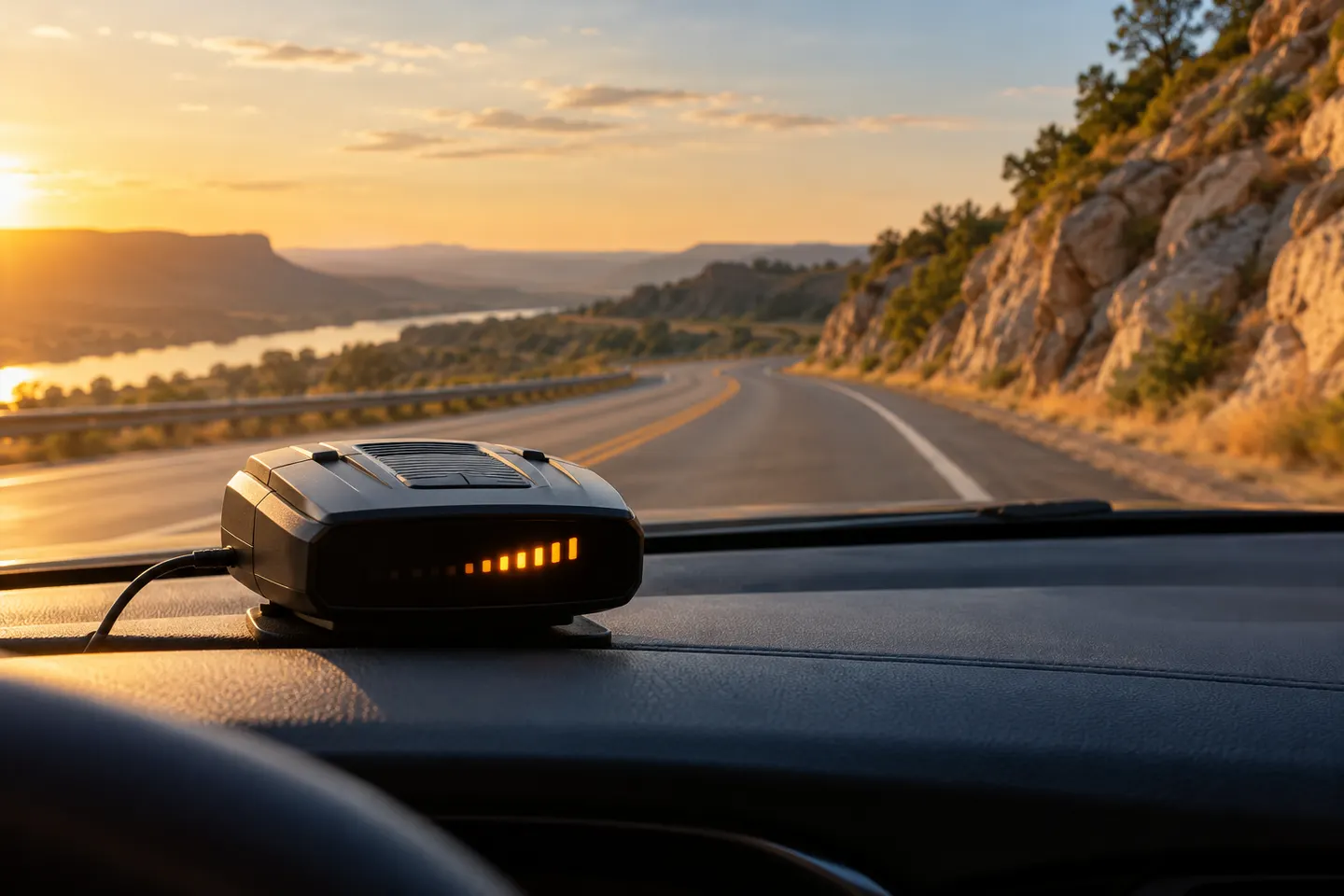 What Does Ka Mean on a Radar Detector?
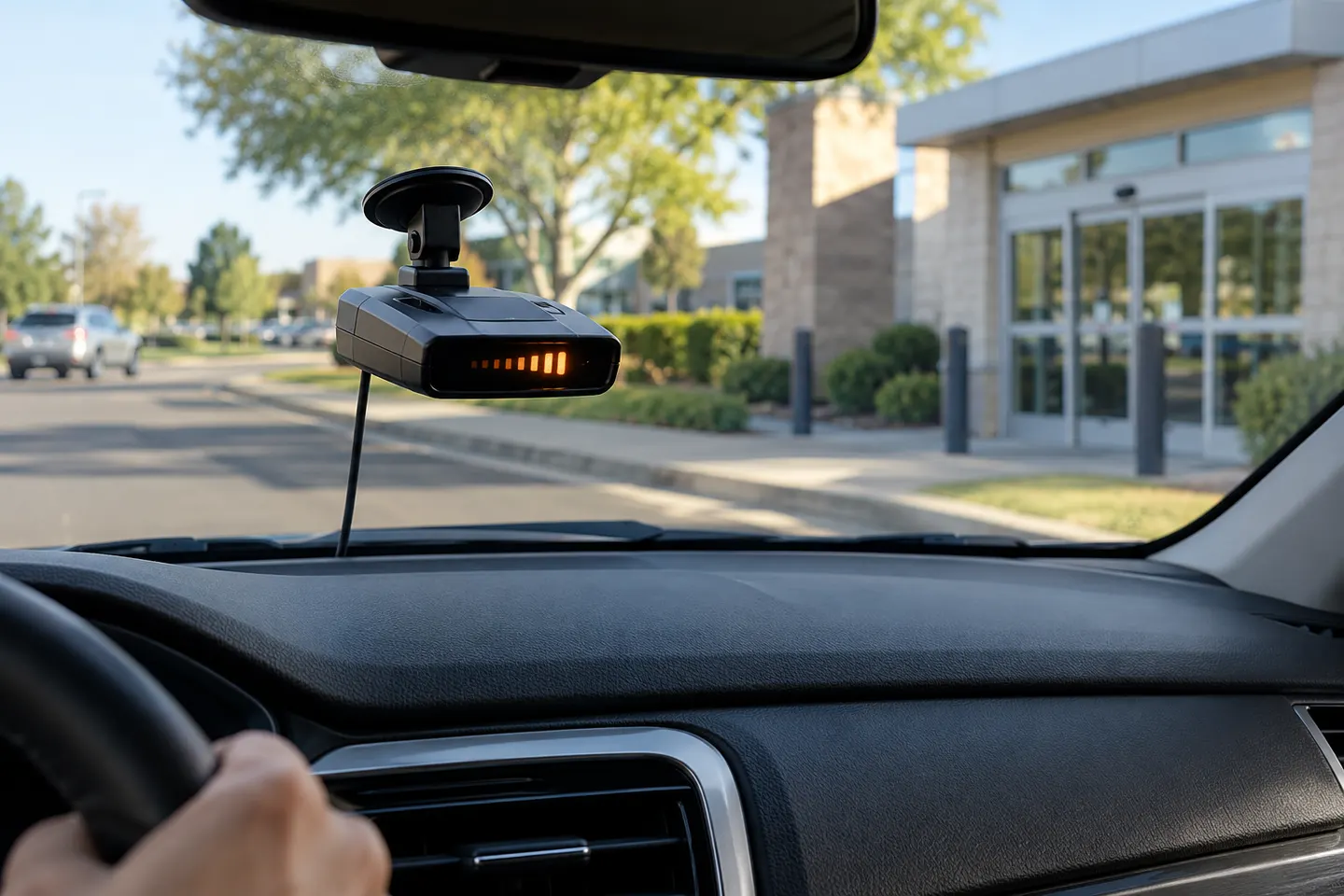 What Does K Band Mean on a Radar Detector?
Common questions
Questions before you buy
What does Ka band mean on a radar detector?
Ka band is a microwave frequency range used by some speed-measurement radar systems. A detector’s Ka coverage describes which frequencies its receiver is specified to monitor.
Do all radar detectors detect Ka band?
No. Check the specifications and supported bands for the exact model and market. Manufacturer product pages list the bands and frequency ranges they claim.
Is a Ka band detector better than a K band detector?
They refer to different frequency bands, not a universal quality ranking. A useful detector should support the bands relevant to your area and let you manage alerts without disabling coverage you need.
Can a Ka band detector identify a police radar signal?
It can report a received signal within its supported range, but an alert alone does not identify the source with certainty. Follow local laws and drive to posted conditions.