






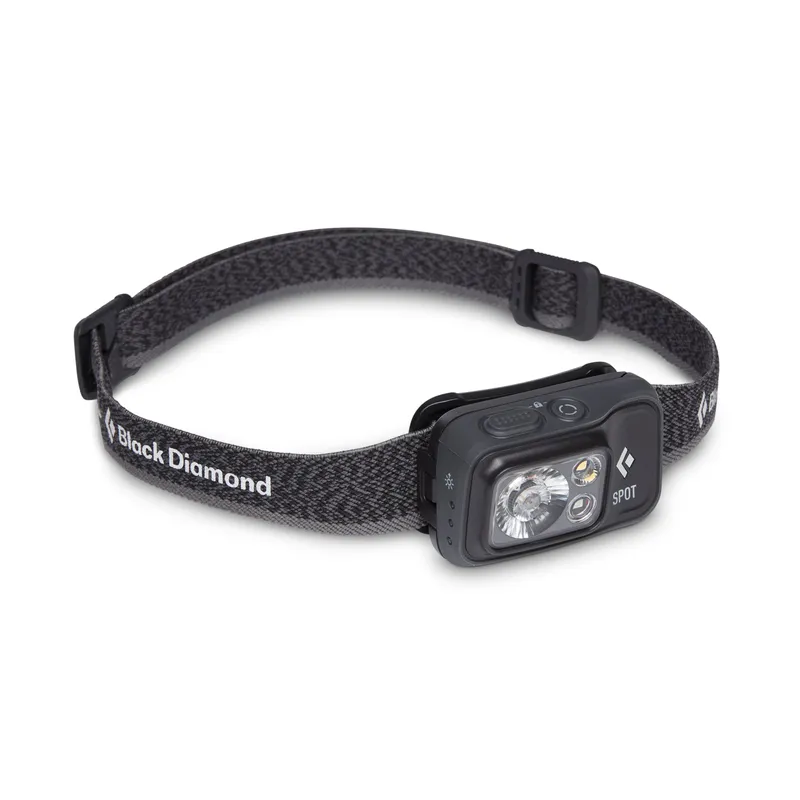
 Official manufacturer image
Our picks
Top picks
Official manufacturer image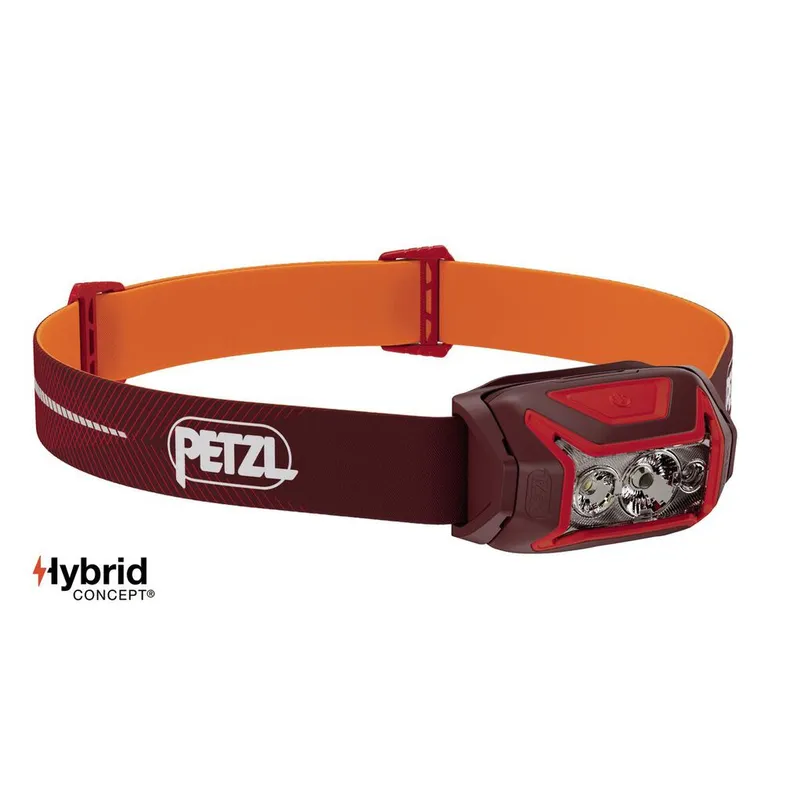 Official manufacturer image
Petzl ACTIK CORE
Check price on Amazon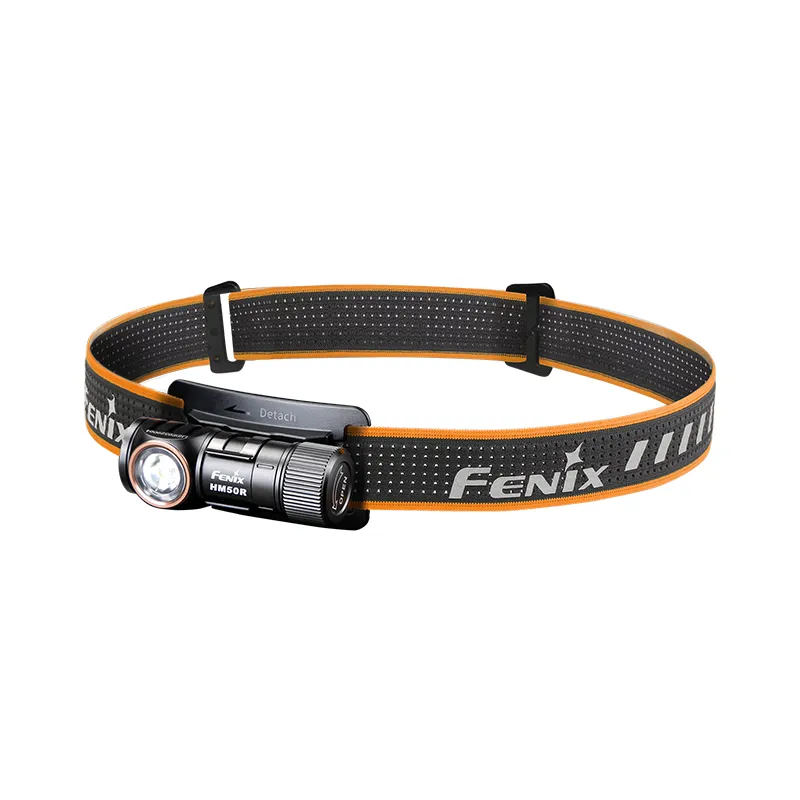 Official manufacturer image
Fenix HM50R V2.0
Check price on AmazonCommon questions
Questions before you buy
How bright should a hiking headlamp be?
There is no single brightness that suits every hike. Open trails, technical terrain and camp tasks differ, so compare beam pattern and usable runtime at the modes you expect to use.
Should hikers choose a rechargeable or battery headlamp?
Rechargeable models suit trips with reliable charging; replaceable batteries are useful when you can carry spares. Some lamps support both, but confirm compatibility for the exact model.
Do hikers need a red-light mode?
It can help preserve dark adaptation for close tasks, but it does not replace a useful white trail beam. Check which modes and controls the lamp actually offers.
Should I carry a backup headlamp?
For remote, overnight or consequential routes, a separate backup light reduces reliance on one device. Keep its power source ready and accessible.