






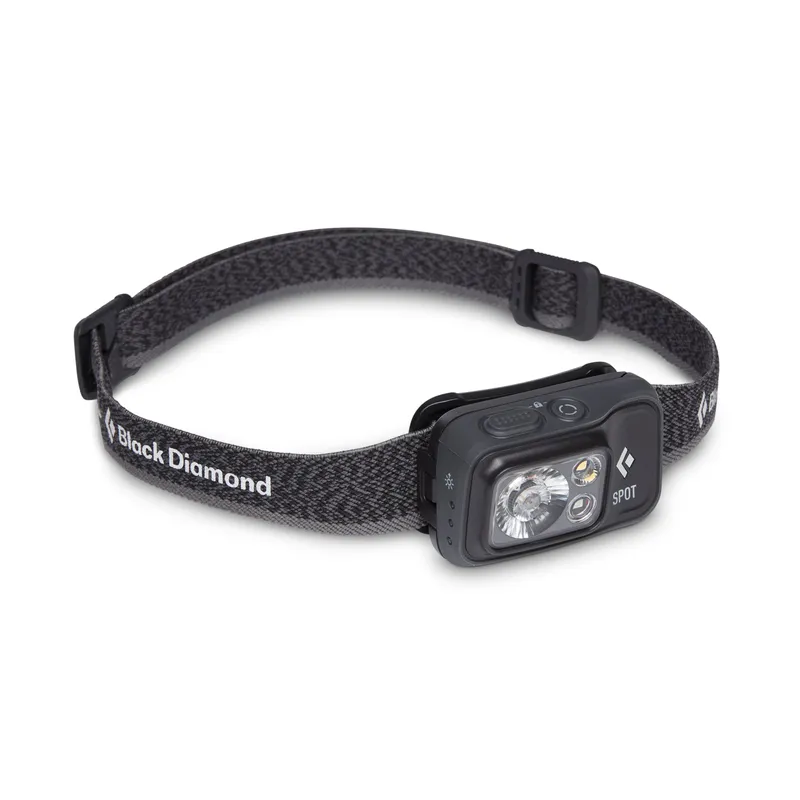
 Official manufacturer image
Our picks
Top picks
Official manufacturer image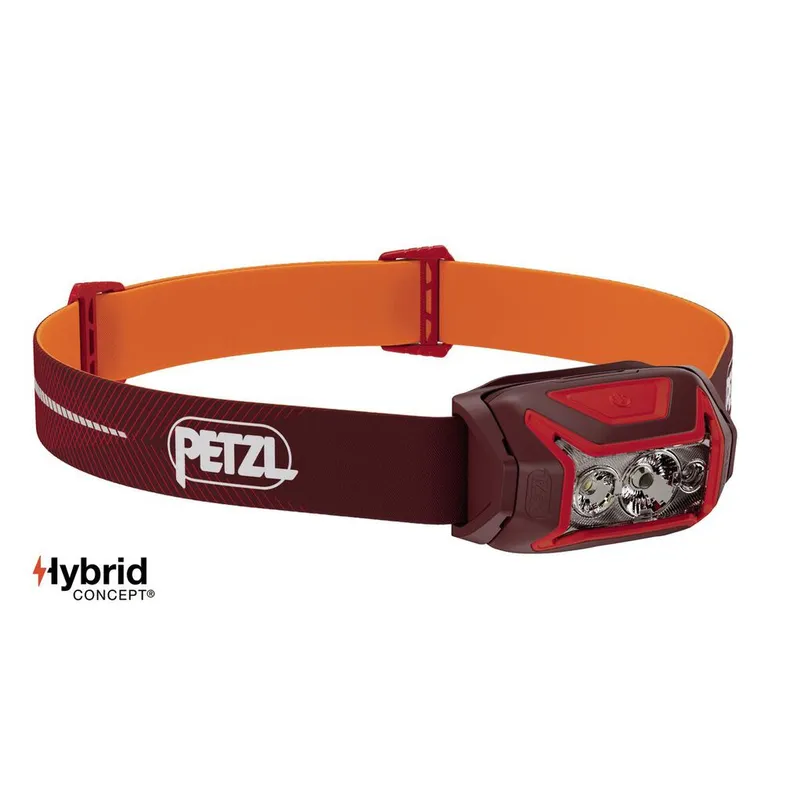 Official manufacturer image
Petzl ACTIK CORE
Check price on Amazon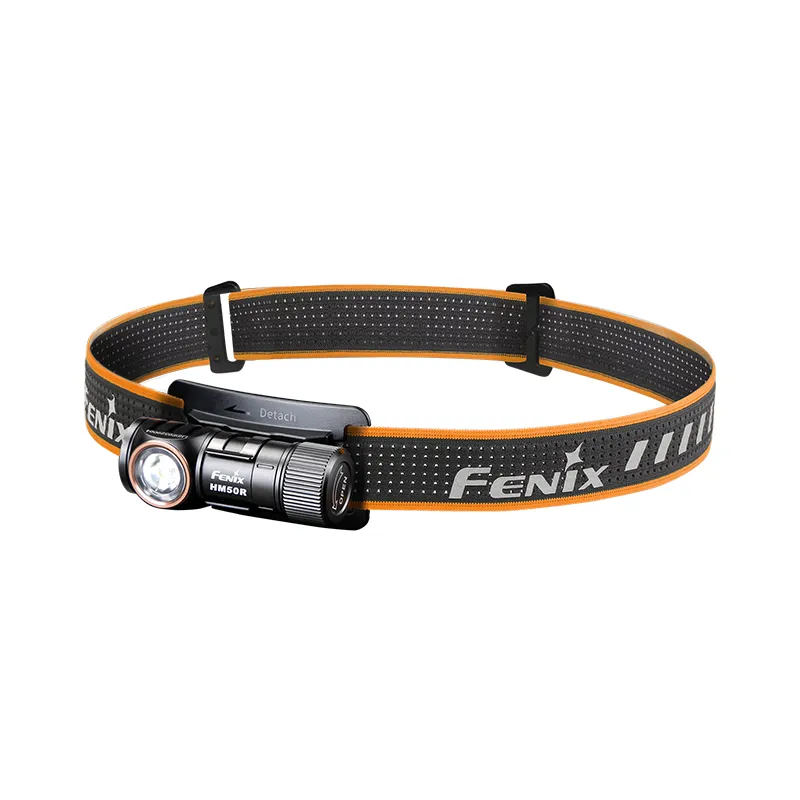 Official manufacturer image
Fenix HM50R V2.0
Check price on AmazonCommon questions
Questions before you buy
What does intrinsically safe mean for a headlamp?
It describes equipment designed to limit electrical or thermal energy that could ignite a hazardous atmosphere, within the conditions of its certification. The approval applies to specific environments and use conditions.
How do I know whether a headlamp is approved for my work area?
Compare the complete marking and certificate with your site's hazardous-area classification, including the applicable gas or dust group and temperature class. Have the responsible safety professional verify the match.
Can I use any rechargeable headlamp in a hazardous area?
No. Use a model whose specific certification covers the location and conditions. A rechargeable design or an ordinary ingress-protection rating does not establish hazardous-area approval.
What should I check on an intrinsically safe headlamp?
Check the certification body and mark, approved zone or division, atmosphere group, temperature class, battery restrictions, and the manufacturer's instructions. Confirm that the approval remains valid for the intended application.