






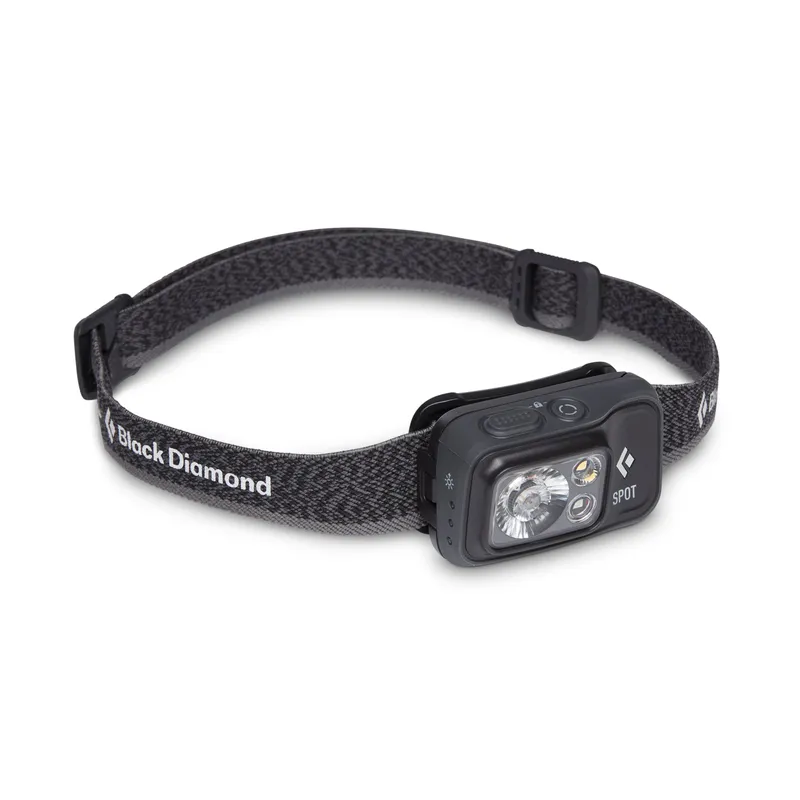
 Official manufacturer image
Our picks
Top picks
Official manufacturer image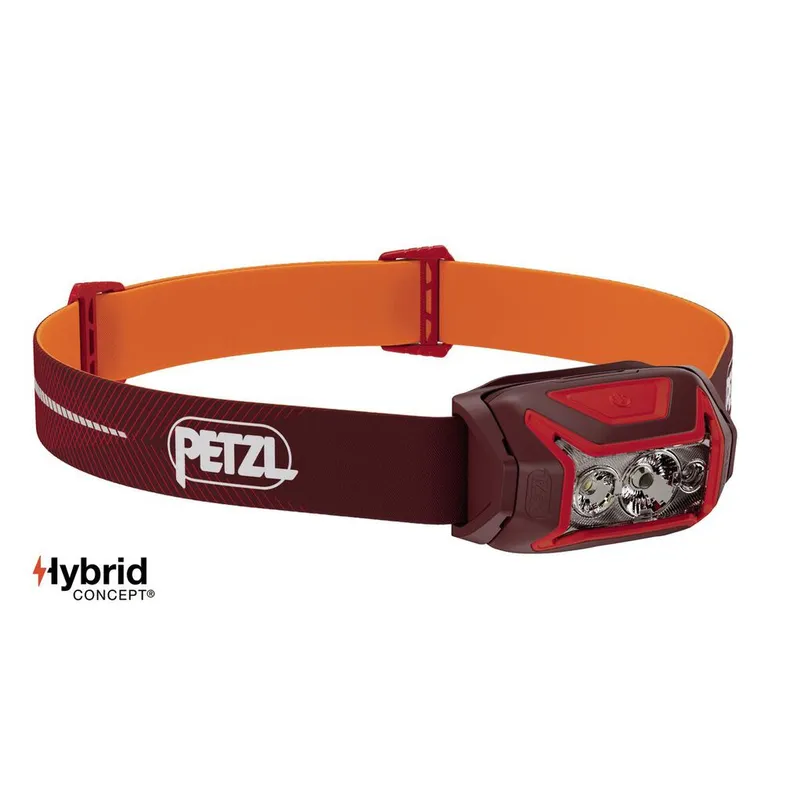 Official manufacturer image
Petzl ACTIK CORE
Check price on Amazon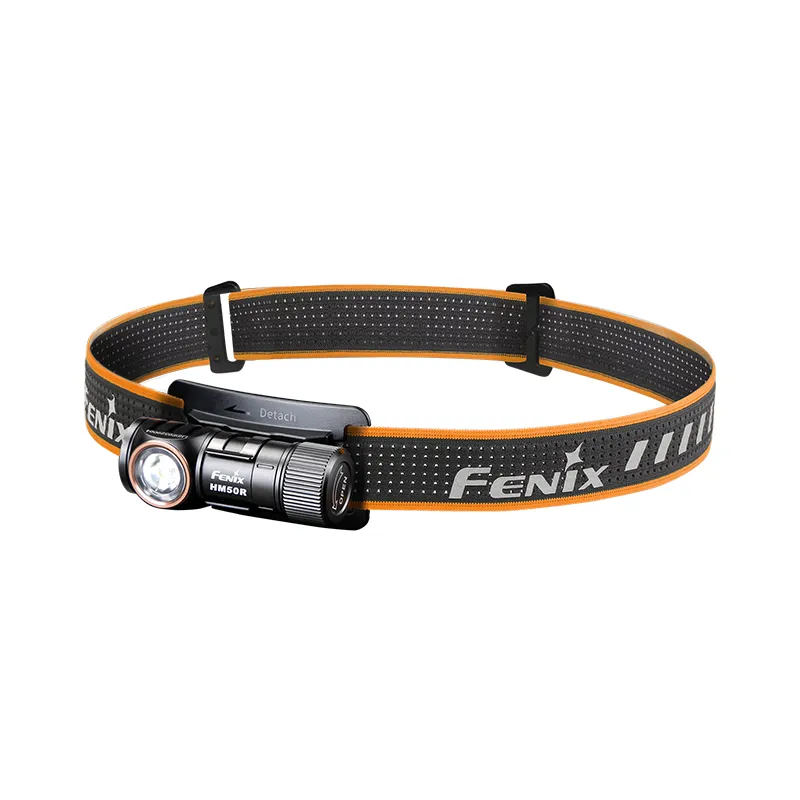 Official manufacturer image
Fenix HM50R V2.0
Check price on AmazonCommon questions
Questions before you buy
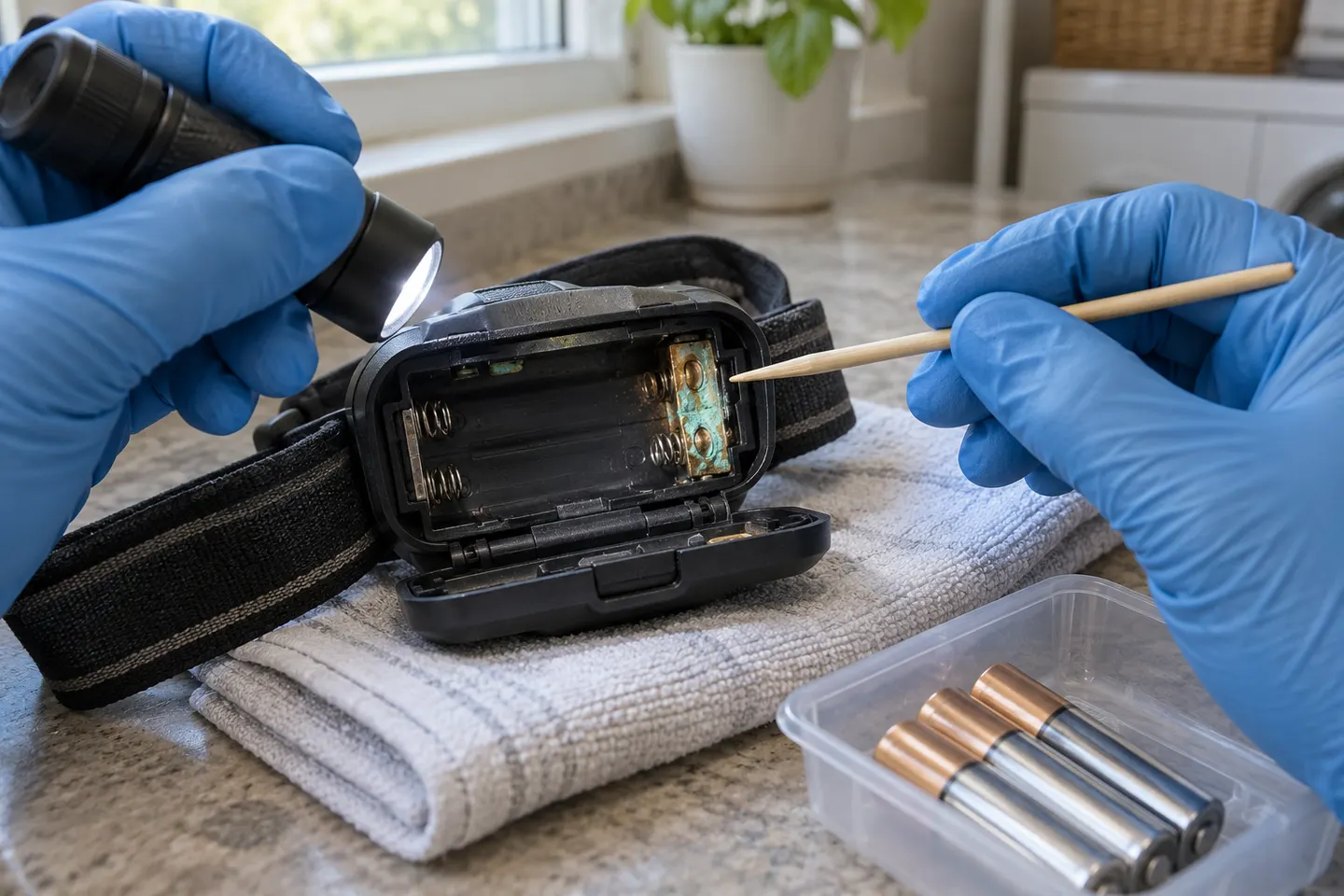
Why are my headlamp battery contacts corroded?
Leaking cells or moisture can leave deposits on contacts. Remove the batteries and inspect the compartment without touching leaking material directly.
How do I clean corrosion from a headlamp?
Follow the manufacturer’s instructions for the exact model and the battery maker’s safety advice. Avoid introducing liquid into the electronics or scraping contacts in a way that damages plating.
Can a headlamp work after battery corrosion?
It may, but corrosion can impair electrical contact or damage internal components. Stop if the light heats, behaves unpredictably or shows damage, and seek manufacturer guidance.
Should I replace a headlamp with corroded contacts?
If corrosion is extensive, reaches the electronics, or compromises a waterproof seal, ask the manufacturer about service or replacement. Do not rely on a repaired light where failure could create a hazard.