






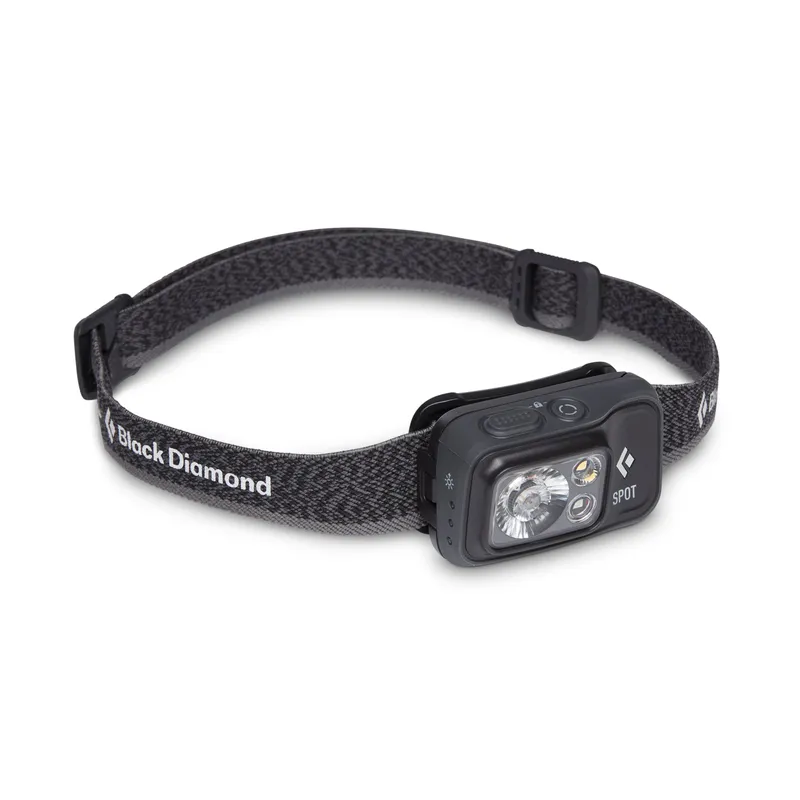
 Official manufacturer image
Our picks
Top picks
Official manufacturer image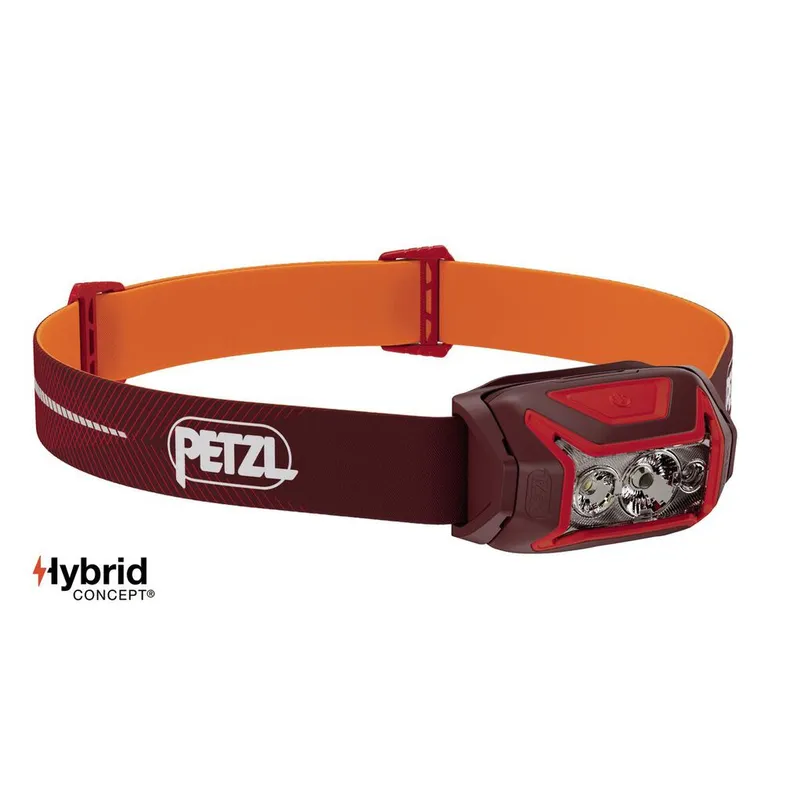 Official manufacturer image
Petzl ACTIK CORE
Check price on Amazon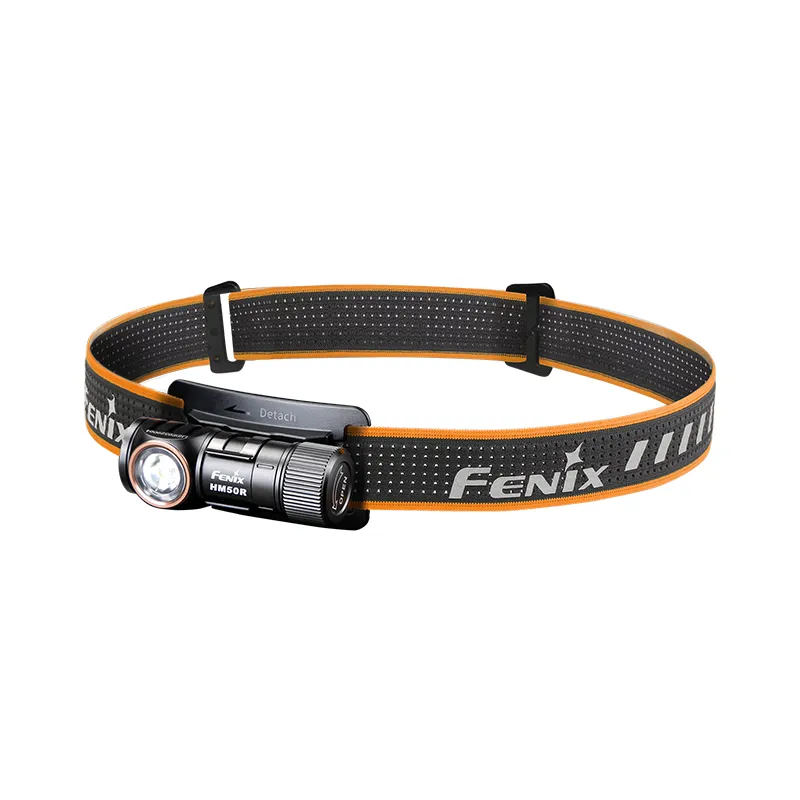 Official manufacturer image
Fenix HM50R V2.0
Check price on AmazonBy activity
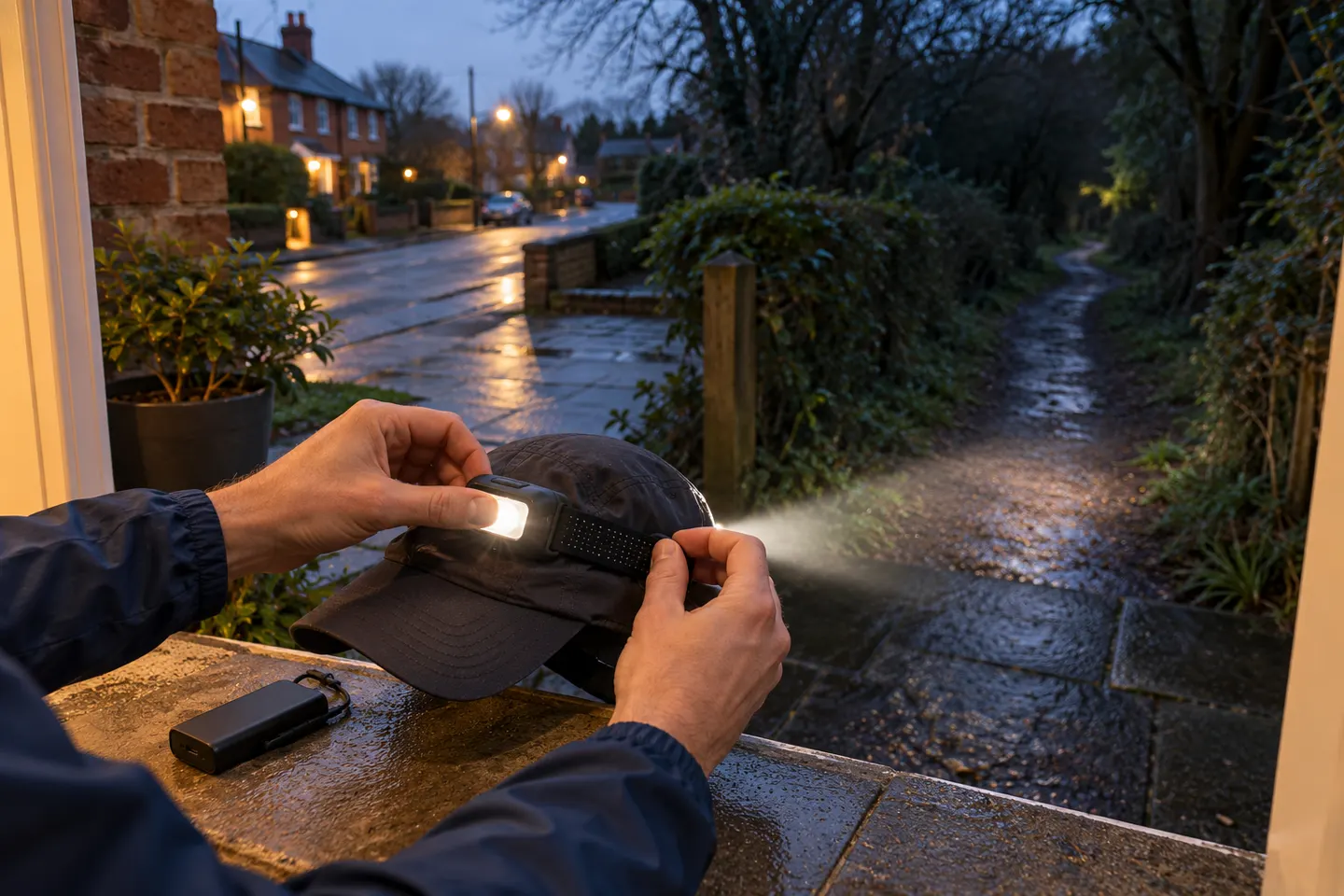 Running
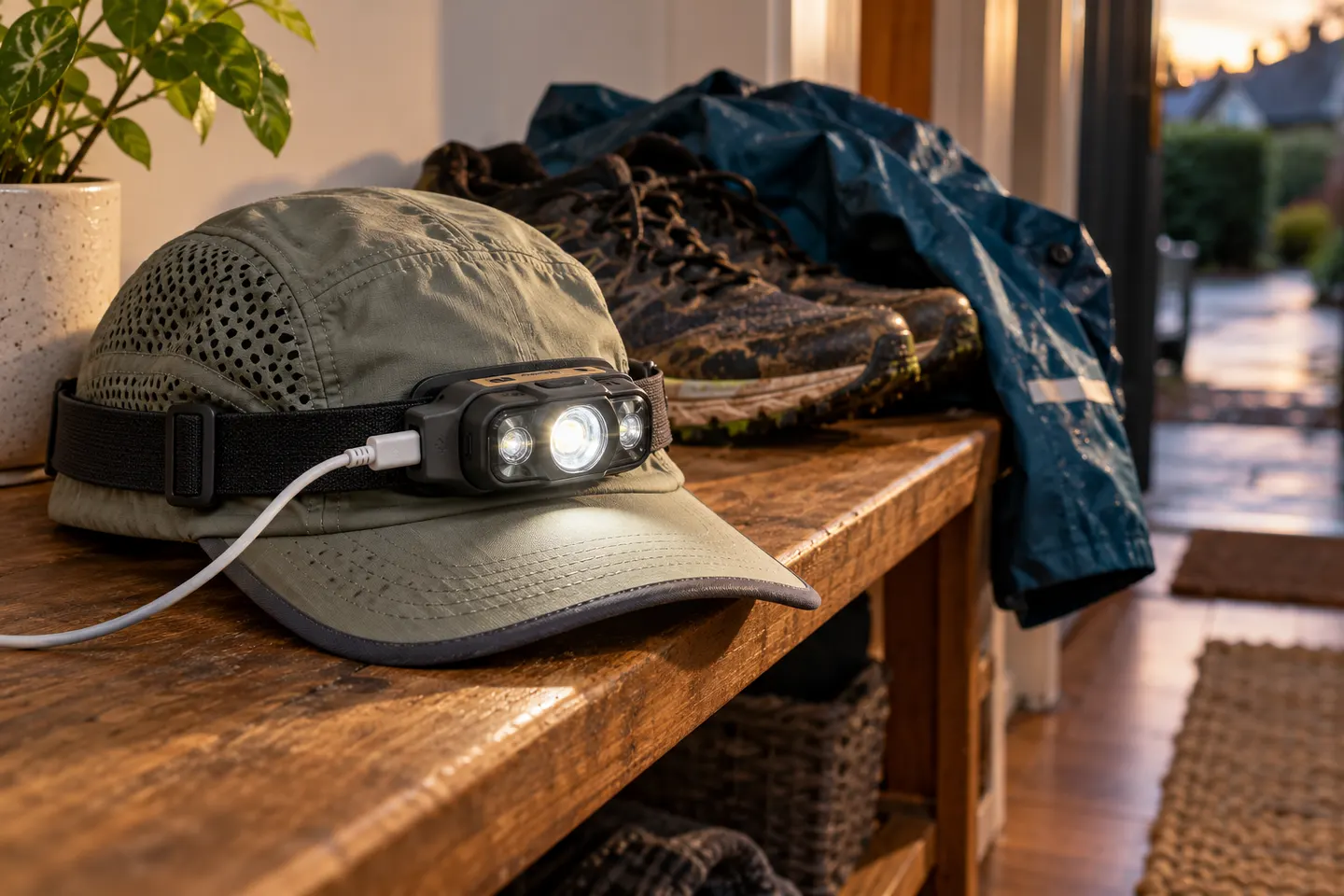 Running rechargeable
 Night running
Common questions
Questions before you buy
How many lumens do I need for trail running?
There is no single suitable figure for every route. Terrain, pace, ambient light and beam shape matter; compare maker specifications and choose for your conditions.
Is a waist light better than a trail running headlamp?
They serve different positions and can complement one another. A headlamp follows your gaze, while a waist light can add lower-angle illumination; choose based on route and comfort.
How should a trail running headlamp fit?
It should sit securely without bouncing or creating pressure. Follow the maker adjustment guidance and check fit while moving before relying on it outdoors.
Should I choose rechargeable or replaceable batteries for trail running?
Consider route length, access to charging and how you plan to carry backup power. Check the exact model’s approved battery options and instructions.