Independent buying guidance · US editionHow we work
Gearjury
All categories
All categories
Best picksGood Meat Thermometers for Every Kind of Cook
Best picksBest WiFi Extenders: Which Range Extender Should You Buy?
Best picksBest Dash Cams for Cars in 2026
Best picksBest Radar Detectors for Cars: Models Compared
Best picksBest Headlamps: Six Lights Compared for Different Uses
Best picksBest Air Purifier for Bedroom in the US: Quiet Models Compared
United StatesEnglish

Category hub

Universal headlamp switch: A Practical Buying Guide

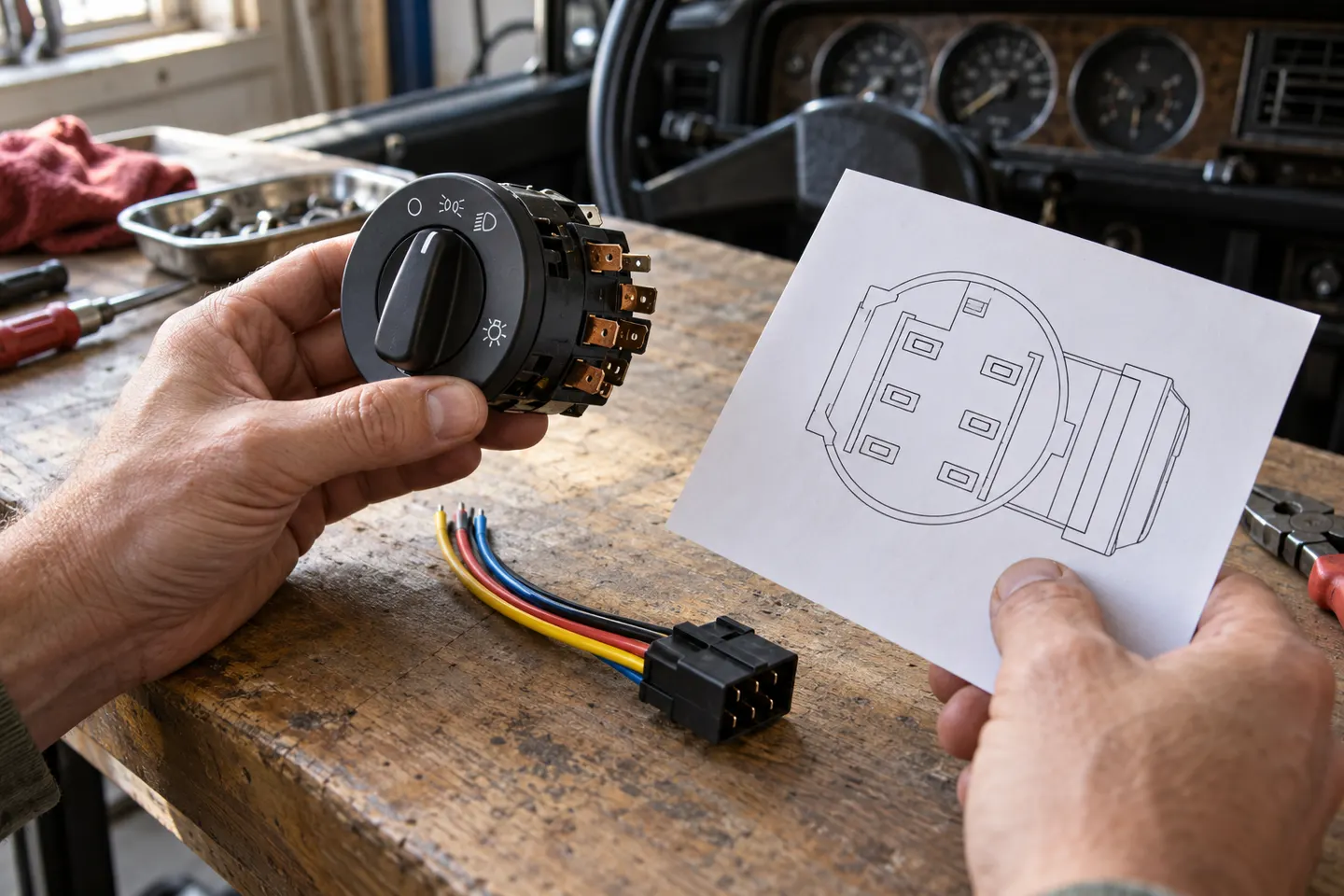
A universal headlamp switch is only suitable when its electrical rating, terminals, and switching functions match the vehicle circuit. Compare the switch diagram with the vehicle’s service information before installation. Start with verified fitment and product documentation before choosing.

A universal headlamp switch is only suitable when its electrical rating, terminals, and switching functions match the vehicle circuit. Compare the switch diagram with the vehicle’s service information before installation.

Before choosing, establish the exact product category and intended use. For vehicle lighting, compatibility depends on the vehicle and local requirements; for wearable headlamps, compare the published beam, power source, fit, and weather protection. Manufacturer documentation is the best place to confirm model-specific details.

Universal headlamp switch: A Practical Buying Guide

More topics

1

Common questions

Questions before you buy

How do I choose a universal headlamp switch?

Match voltage, current rating, terminal layout, and switching functions to the vehicle circuit and the switch maker’s diagram.

Are universal switches plug-and-play?

Often not. Harnesses and terminals vary, so check fitment and installation requirements first.

Can a headlamp switch control high and low beams?

Some switches include multiple functions, but verify the exact circuit diagram and rating.

Should I install the switch myself?

Only if you can follow the correct service information and safe electrical procedures; otherwise consult a qualified technician.