
Independent buying guidance · Canada editionHow we work
Gearjury
All categories
All categories
Best picksThe Best Dash Cam Cameras for Different Drivers
Best picksBest WiFi Extenders in Canada for Different Home Networks
Best picksBest Meat Thermometers in Canada for 2026
Best picksBest Winter Gloves for Canadian Conditions (2026)
Best picksBest Headlamps: Compare Reliable Options for Canada
Best picksRadar Detector Best Picks for Canadian Drivers (2026)
Best picksBest Portable Air Coolers to Consider in 2026
Best picksBest cordless grass trimmers with a battery and charger
Best picksBest Air Purifier for Bedroom in the Canada: Quiet Models Compared
CanadaEnglish

Category hub

Choosing an Evaporative Air Cooler for a Window Setup

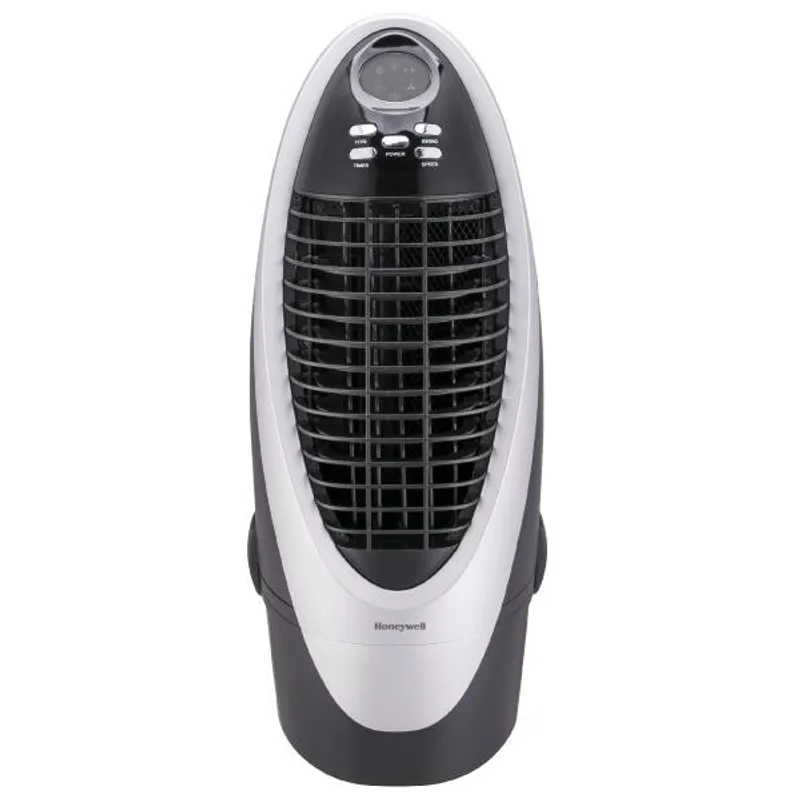
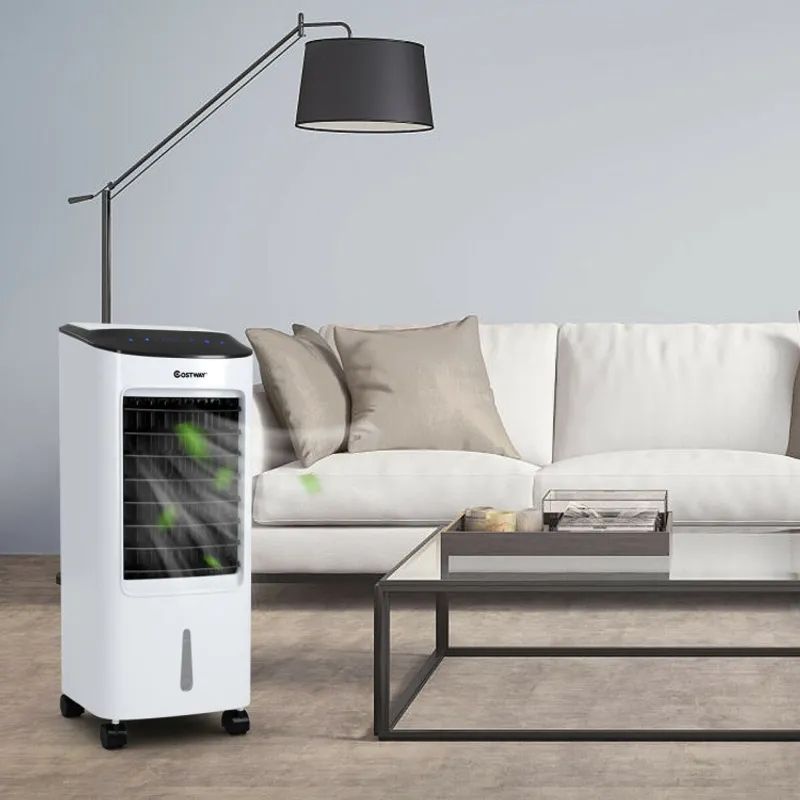
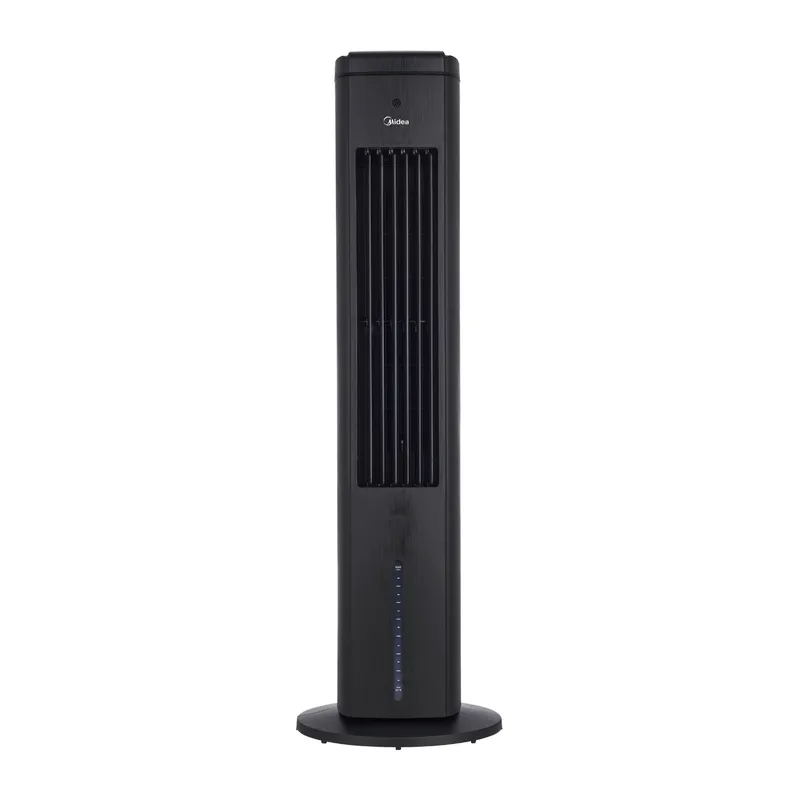
Most portable evaporative coolers are freestanding appliances rather than window-mounted units. Check the product’s placement and ventilation instructions before planning a window installation.

An evaporative window air cooler search can mean a cooler placed near an open window, or an appliance intended to mount in one. Those are different setups. Portable evaporative units generally need air exchange, but the fan must remain stable and its intake and outlet must stay clear; never assume a freestanding cooler can be installed in a window opening.

Choosing an Evaporative Air Cooler for a Window Setup

Common questions

Questions before you buy

Can an evaporative air cooler be installed in a window?

Only if the specific model is designed and approved for that installation. Many are freestanding units; check the manufacturer’s manual before mounting or supporting one.

Does a window air cooler need an open window?

Evaporative cooling benefits from air exchange, but follow the product’s stated setup. An open window is not the same as a window-mounted appliance.

Can I use an evaporative cooler with no window?

A suitable door or other ventilation path may provide air exchange, depending on the room and manufacturer guidance.

What should I measure before a window installation?

Check opening dimensions, support requirements, drainage, electrical access and the manual’s installation limits before selecting equipment.