





 Official manufacturer image
Our picks
Top picks
Official manufacturer image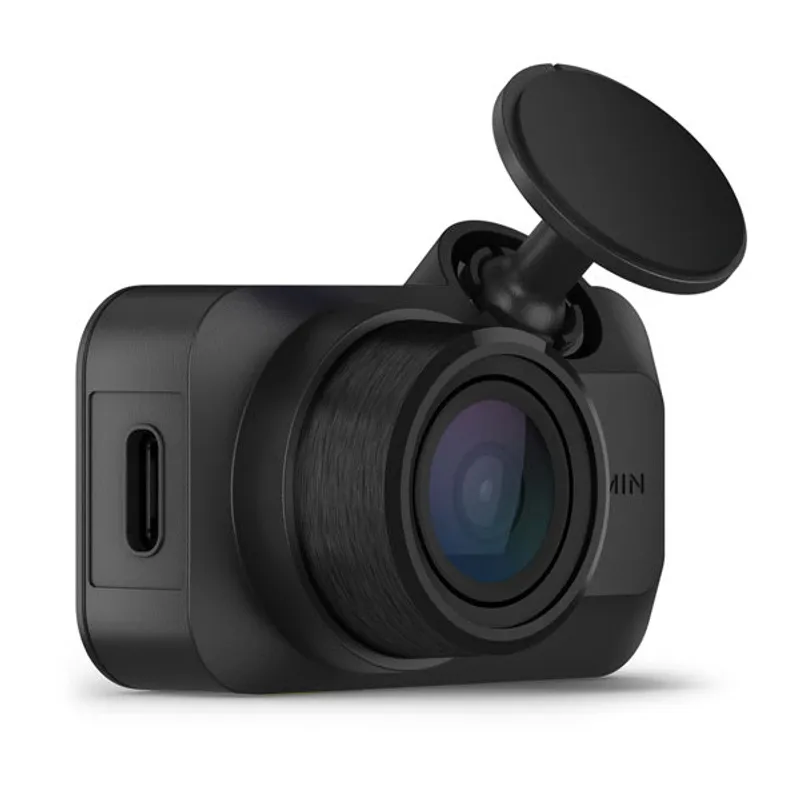 Official manufacturer image
Garmin Dash Cam Mini 3
Check price on Amazon.ca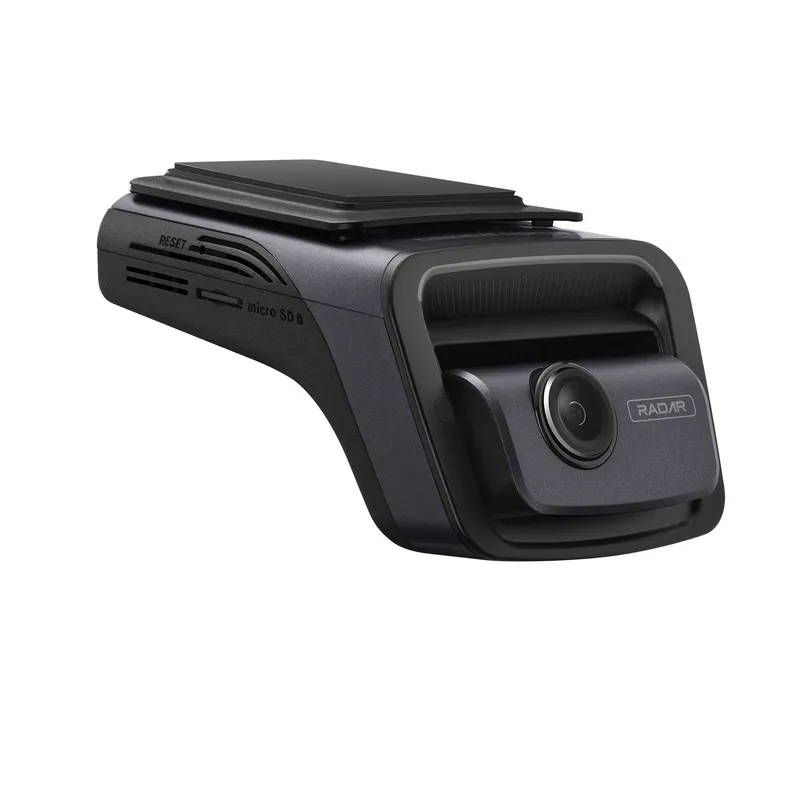 Official manufacturer image
Thinkware U3000
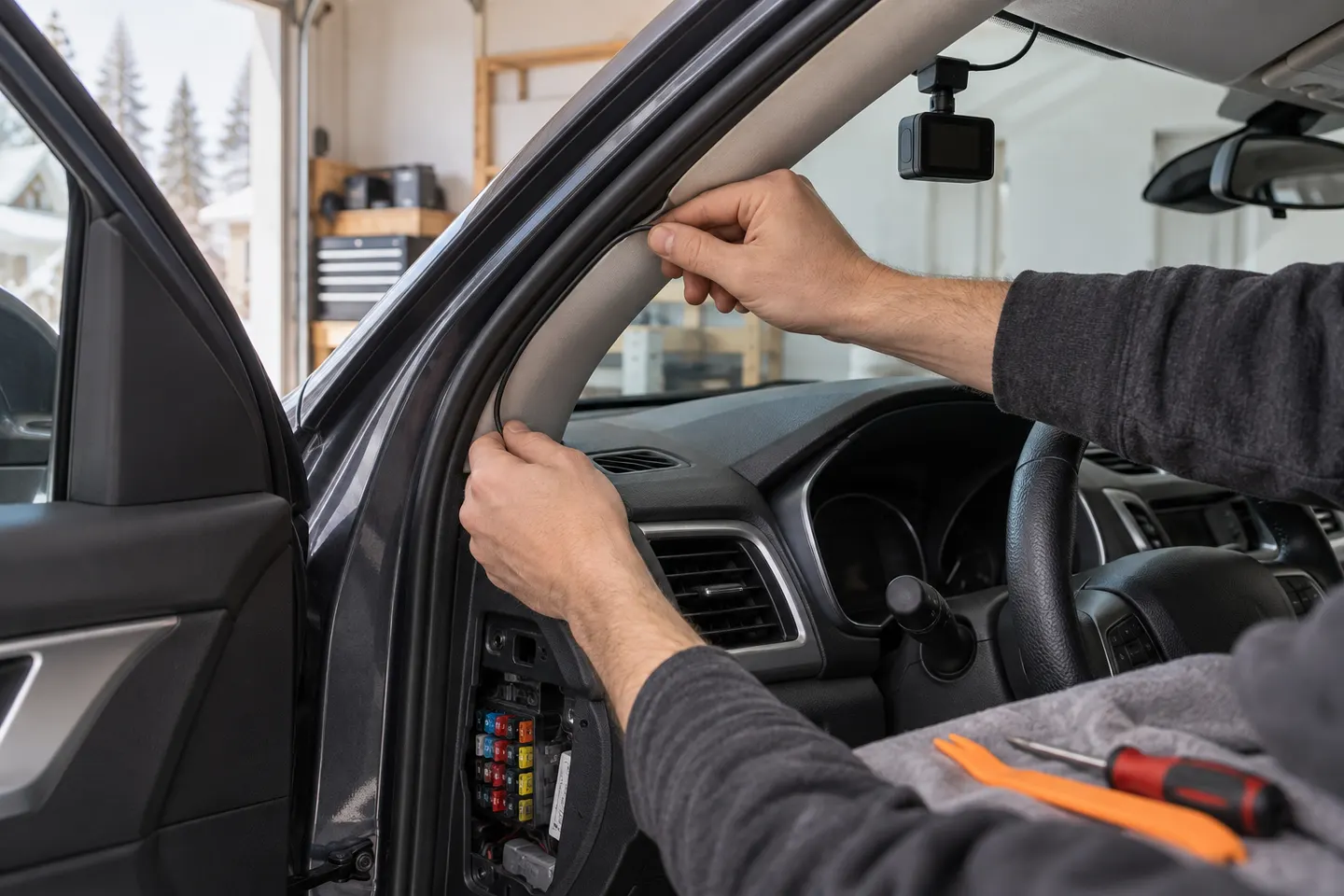
Check price on Amazon.caInstallation and accessories
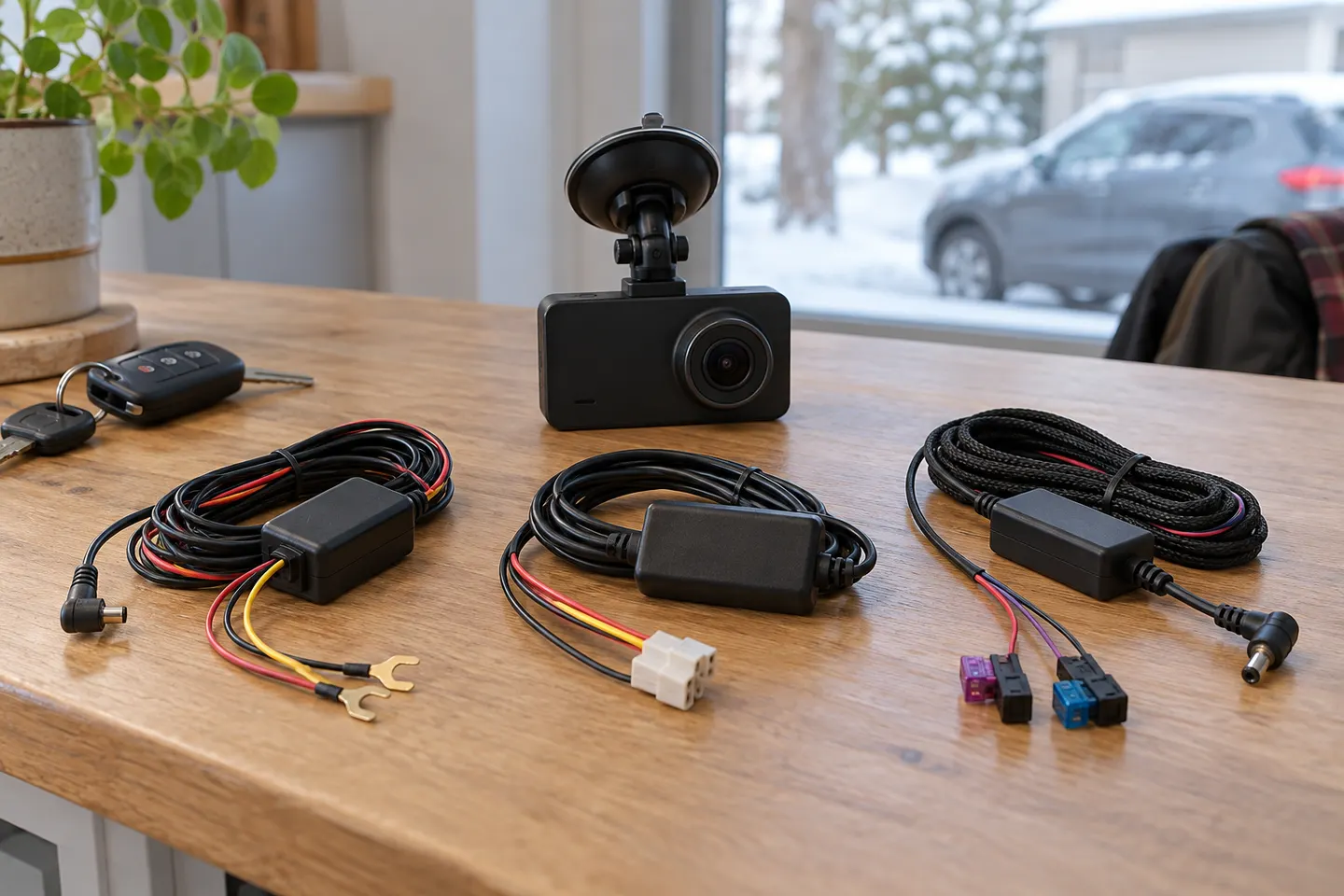 Hard wiring kit
Common questions
Questions before you buy
Does hardwiring a dash cam drain the battery?
Parking recording consumes energy, so a compatible kit should provide low-voltage or timed cut-off. Incorrect settings, a weak battery or long parking periods can still create starting risk.
Which fuse should I use for a dash cam?
There is no universal fuse position. Use the vehicle wiring information, avoid safety-critical circuits and follow the hardwire-kit instructions; a professional should test the circuit.
Can hardwiring void a car warranty?
It does not automatically decide the entire warranty, but damage or faults linked to an installation may be assessed separately. Ask the vehicle maker or retailer before altering wiring.
How long does dash cam hardwiring take?
It depends on fuse access, camera count, trim design and rear-cable routing. Ask the installer for a vehicle-specific estimate rather than assuming a standard duration.