



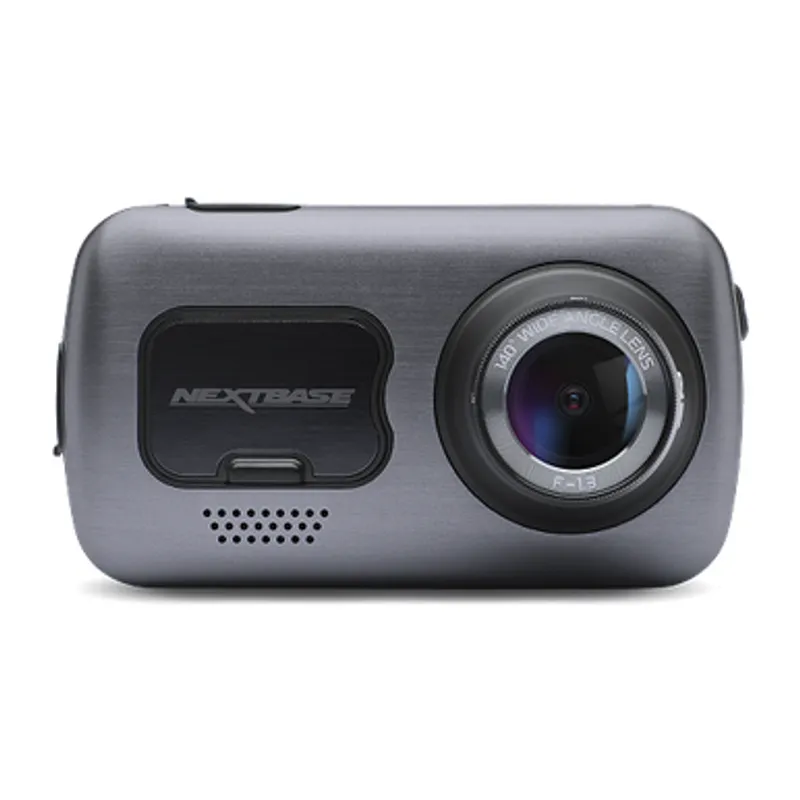
 Official manufacturer image
Our picks
Top picks
Official manufacturer image Official manufacturer image
Garmin Dash Cam X310
Check price on Amazon UK Official manufacturer image
VIOFO A329S 2CH
Check price on Amazon UKBy feature
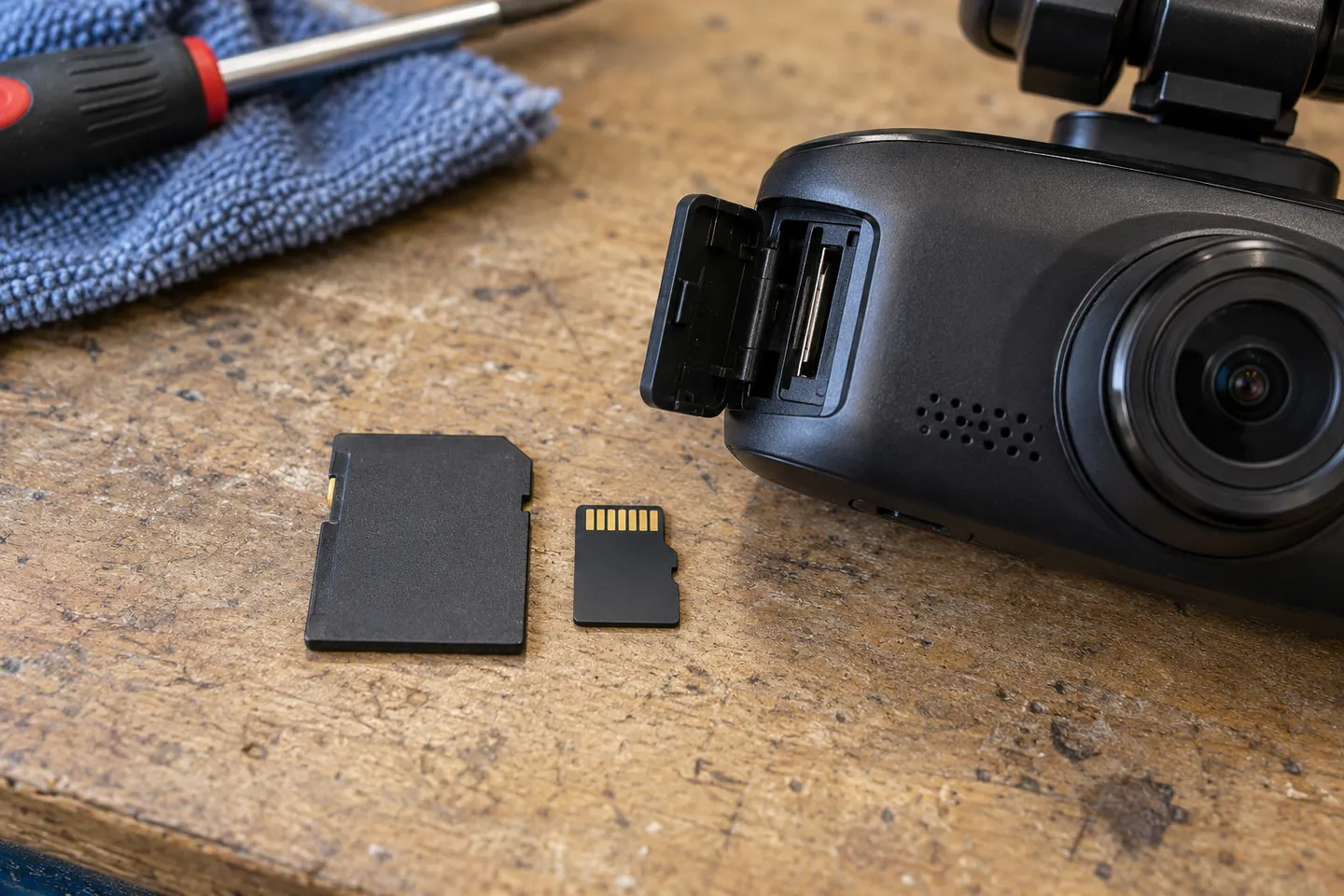 Mini sd card
Installation and accessories
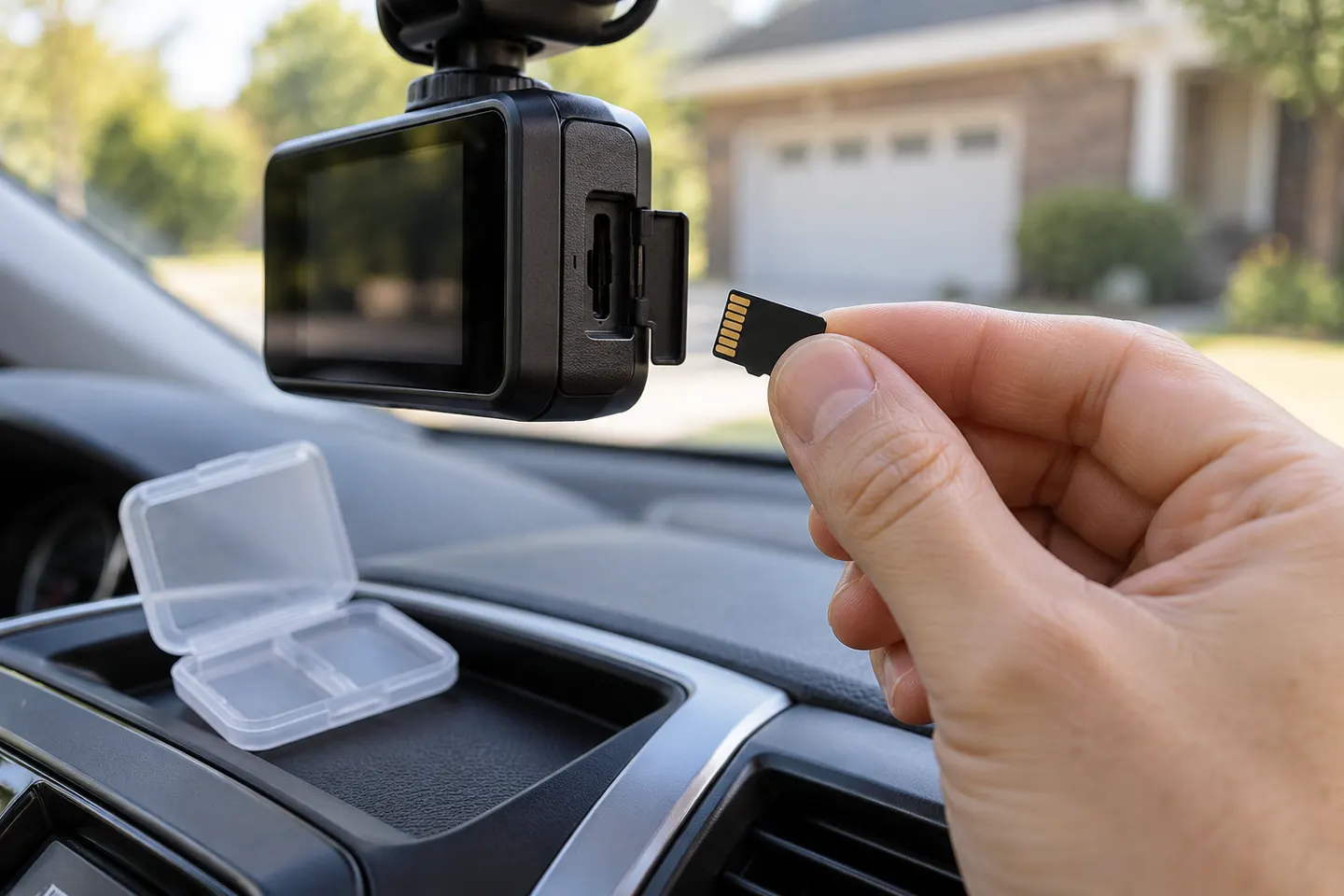 Sd card
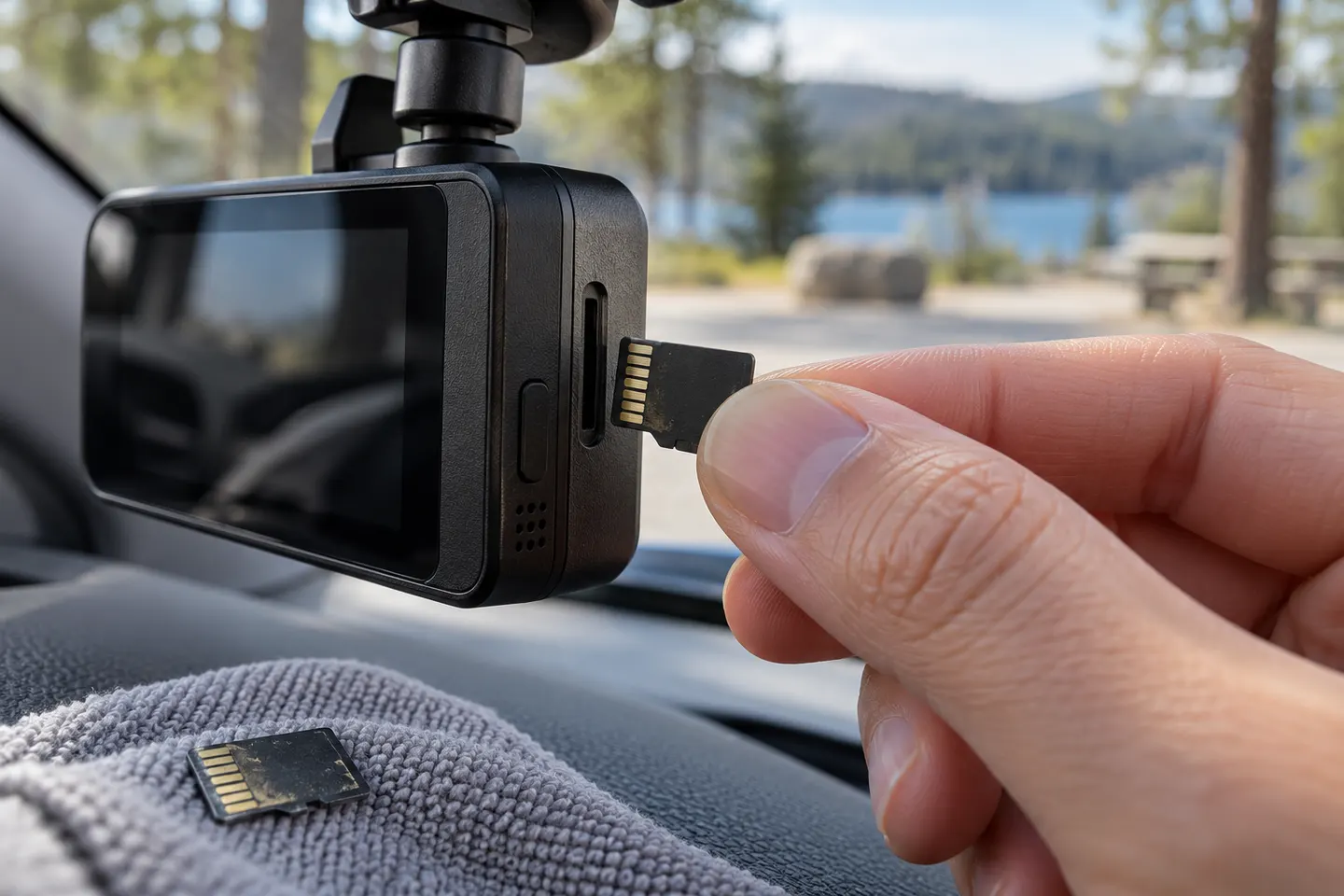 Micro sd card
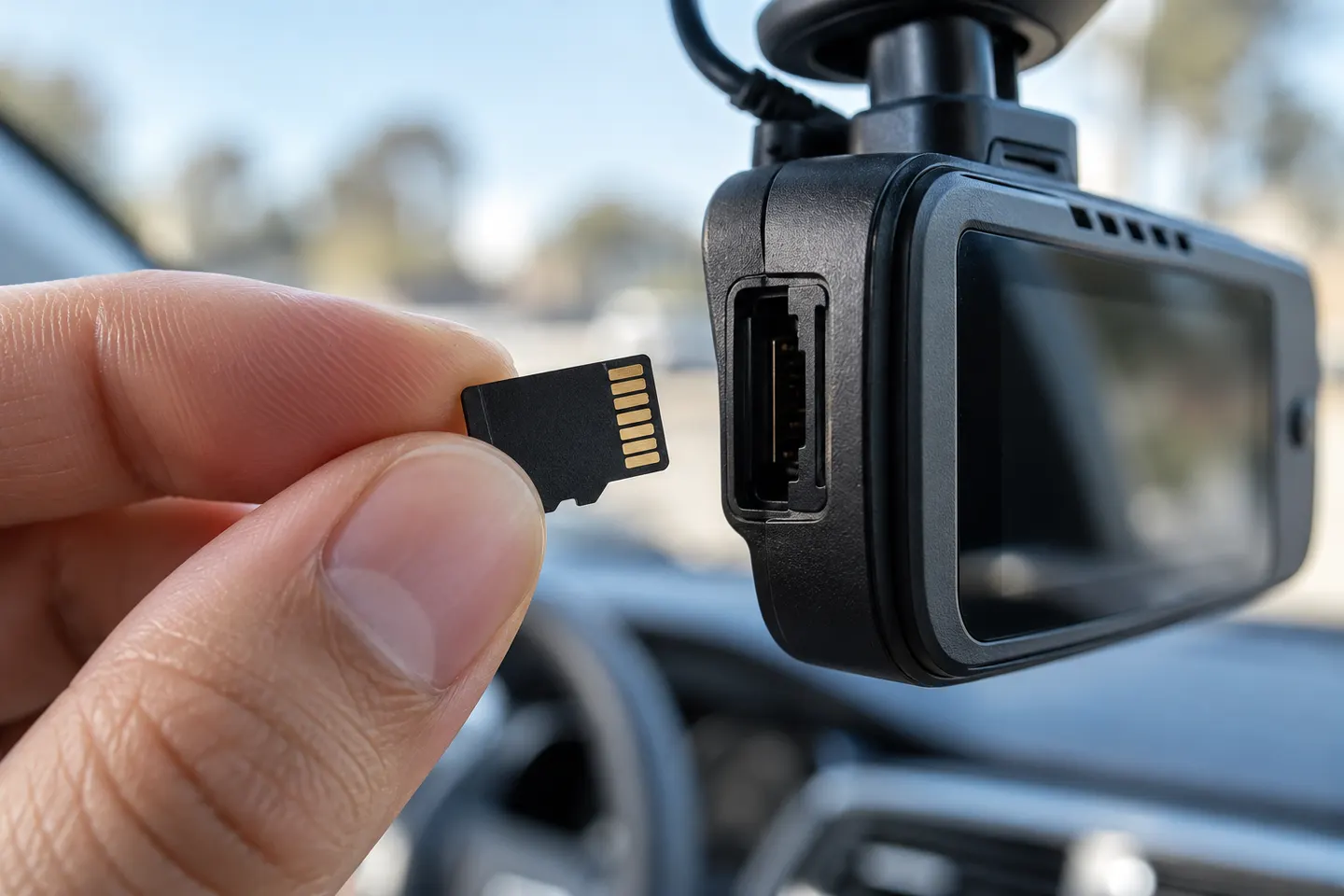 Micro card
Common questions
Questions before you buy
Do dash cams need a special microSD card?
They need a card that meets the maker's capacity and speed requirements. High-endurance lines are designed specifically for sustained and repeated video writing.
Is a larger microSD card always better for a dash cam?
No. A card above the camera's supported limit may not initialise or record reliably. Larger supported cards simply retain more footage before looping.
How often should a dash cam microSD card be formatted?
Follow the camera manufacturer's schedule or prompts. Formatting erases footage, so save any required files first.
What does U3 mean on a dash cam card?
U3 is a UHS speed-class mark indicating a minimum sequential write performance under the SD standard. It does not by itself guarantee endurance or model compatibility.