




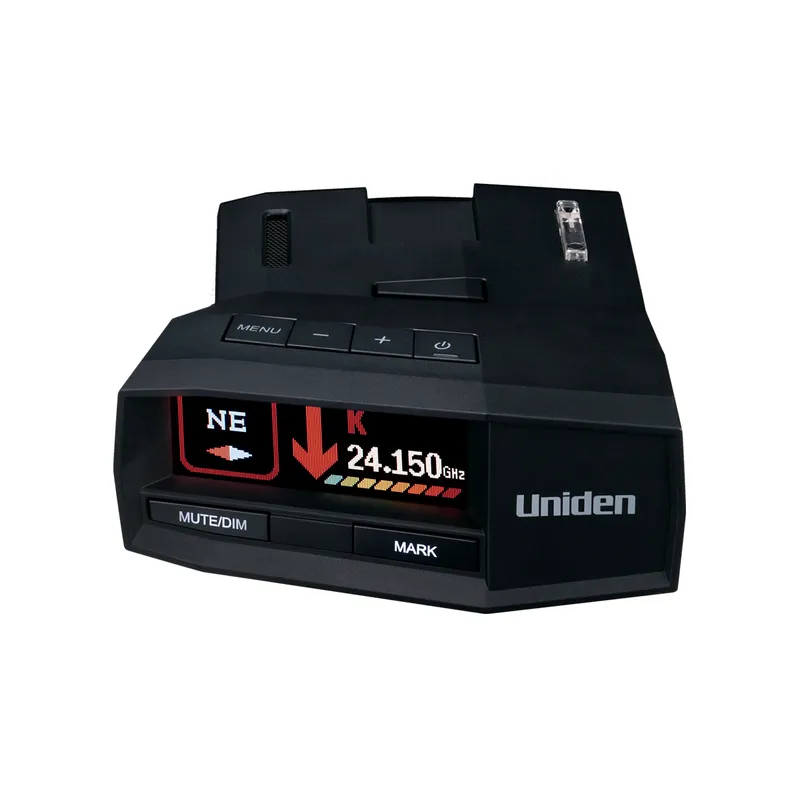
 Official manufacturer image
Our picks
Top picks
Official manufacturer image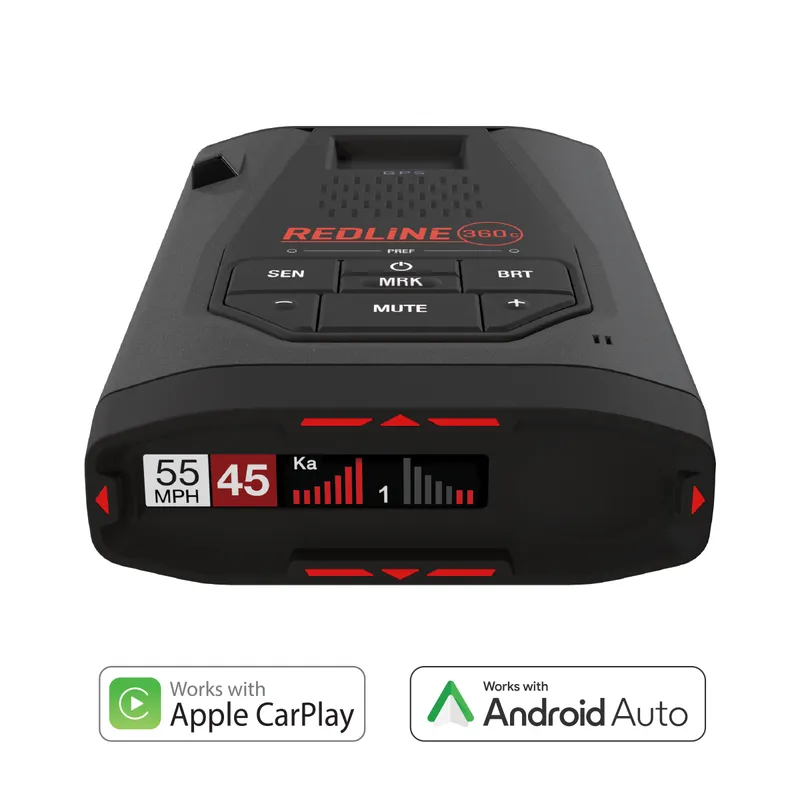 Official manufacturer image
Escort Redline 360c
Check price on Amazon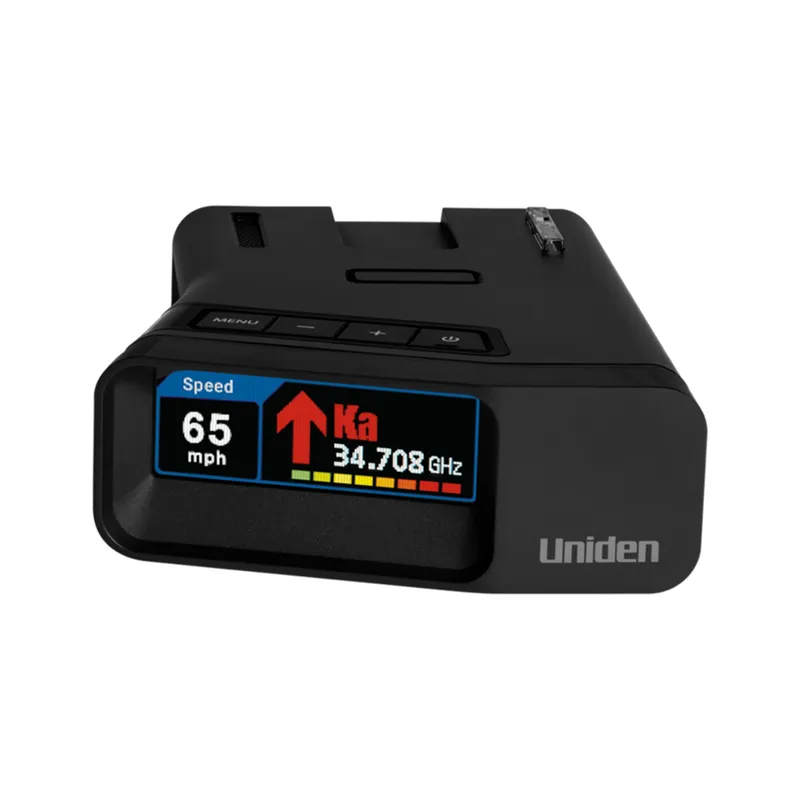 Official manufacturer image
Uniden R7
Check price on AmazonCommon questions
Questions before you buy
What does GPS add to a radar detector?
Depending on the model, GPS can remember recurring false alerts or add fixed camera and location warnings. It does not detect radar by itself.
Do GPS radar detectors detect speed cameras?
Some include a camera-location database, but database coverage and update timing vary. A warning feature is not a guarantee that every camera is listed.
Is a GPS radar detector legal in the US?
GPS does not determine legality. Check restrictions for the state, vehicle class and device type; federal rules prohibit detectors in commercial motor vehicles.
What is the difference between a GPS speed camera detector and radar detection?
Radar detection receives an active signal. Camera alerts usually use a stored location database, so a unit may offer one function without the other.