Ka band is a frequency label
Ka band names part of the microwave spectrum monitored by some radar detectors. It is distinct from X and K bands. The useful detail is the frequency range in the manual or official product specifications.

 Best picksBest WiFi Extenders: Which Range Extender Should You Buy?
 Best picksGood Meat Thermometers for Every Kind of Cook
 Best picksBest Dash Cams for Cars in 2026
 Best picksBest Air Purifier for Bedroom in the US: Quiet Models Compared
Gearjury may earn a commission from qualifying retailer links. This does not change our editorial guidance.
Guide
Ka band is a range of microwave frequencies a detector may be designed to receive. Check the model’s published frequency limits; the label alone does not describe performance or guarantee an alert.
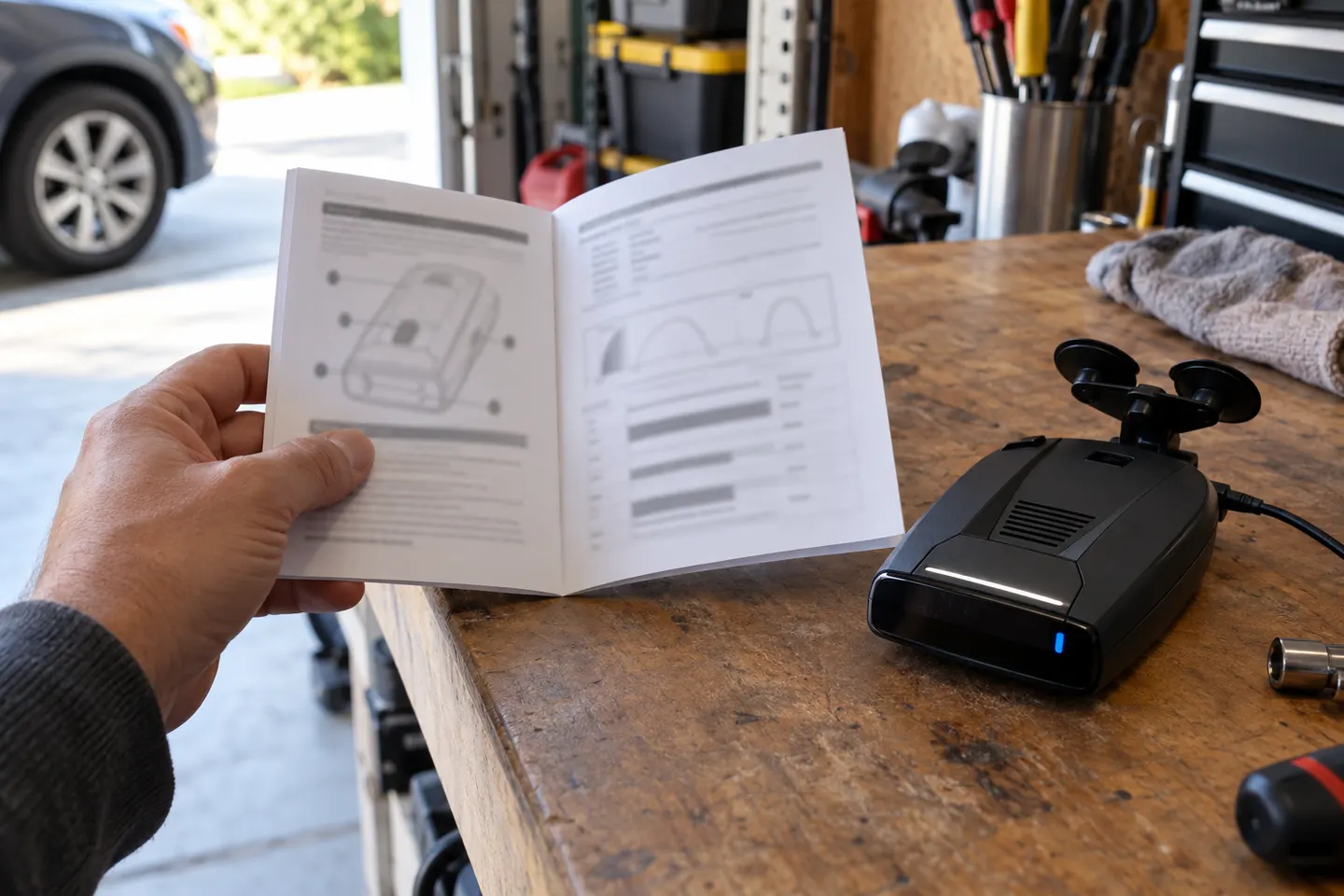
Ka band names part of the microwave spectrum monitored by some radar detectors. It is distinct from X and K bands. The useful detail is the frequency range in the manual or official product specifications.
A ‘Ka band’ label does not mean every detector covers exactly the same frequencies. Uniden lists its R4 range as 33.400 to 35.700 GHz. Treat that as an R4 specification, not a universal Ka definition.
A Ka alert means the detector has received a signal it classifies in the band. It does not, by itself, identify the source with certainty or guarantee how much time you have to respond.
Ka refers to microwave radar; laser or lidar detection uses light and requires a separate sensing function. If you are comparing Ka band with laser capability, inspect both specification lines.
Some detectors allow band segmentation or filtering. The maker’s manual explains the available controls and trade-offs. Disabling or narrowing a band can change which alerts are received, so do not alter coverage casually.
Common questions
It identifies a microwave frequency band that the detector is specified to monitor. The model’s technical page gives the actual frequency range it supports.
The precise range depends on the product specification and market. For example, Uniden lists the R4 Ka range as 33.400 to 35.700 GHz; check the exact model you own.
No. Ka and K are separate radar frequency bands. A detector may support both, but verify the listed ranges and settings for your model.
Do not disable a detection band without understanding the local signal environment and the manufacturer’s guidance. A setting change can affect which signals the device reports.