




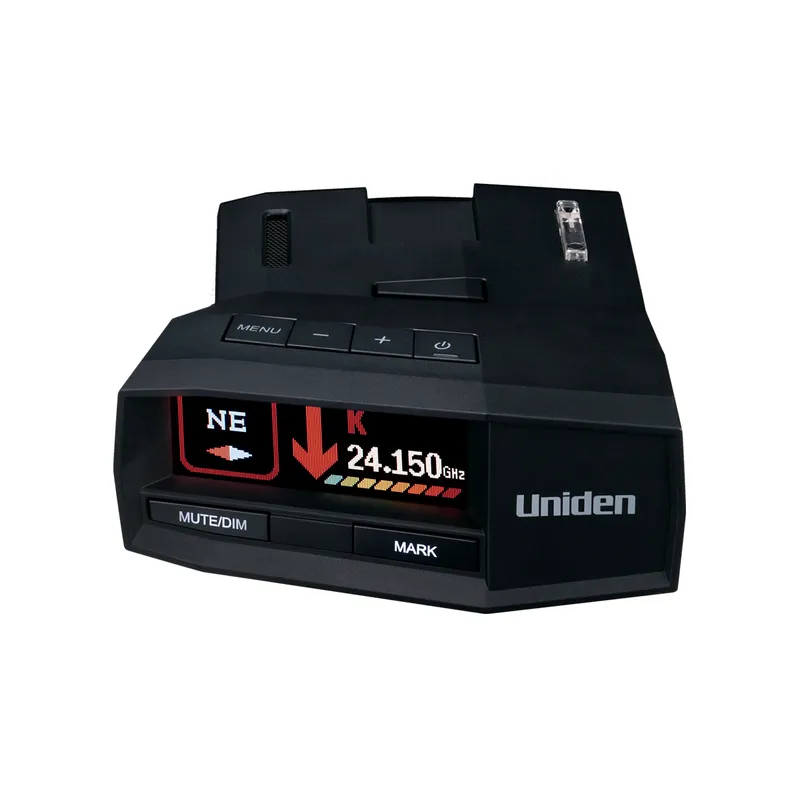
 Official manufacturer image
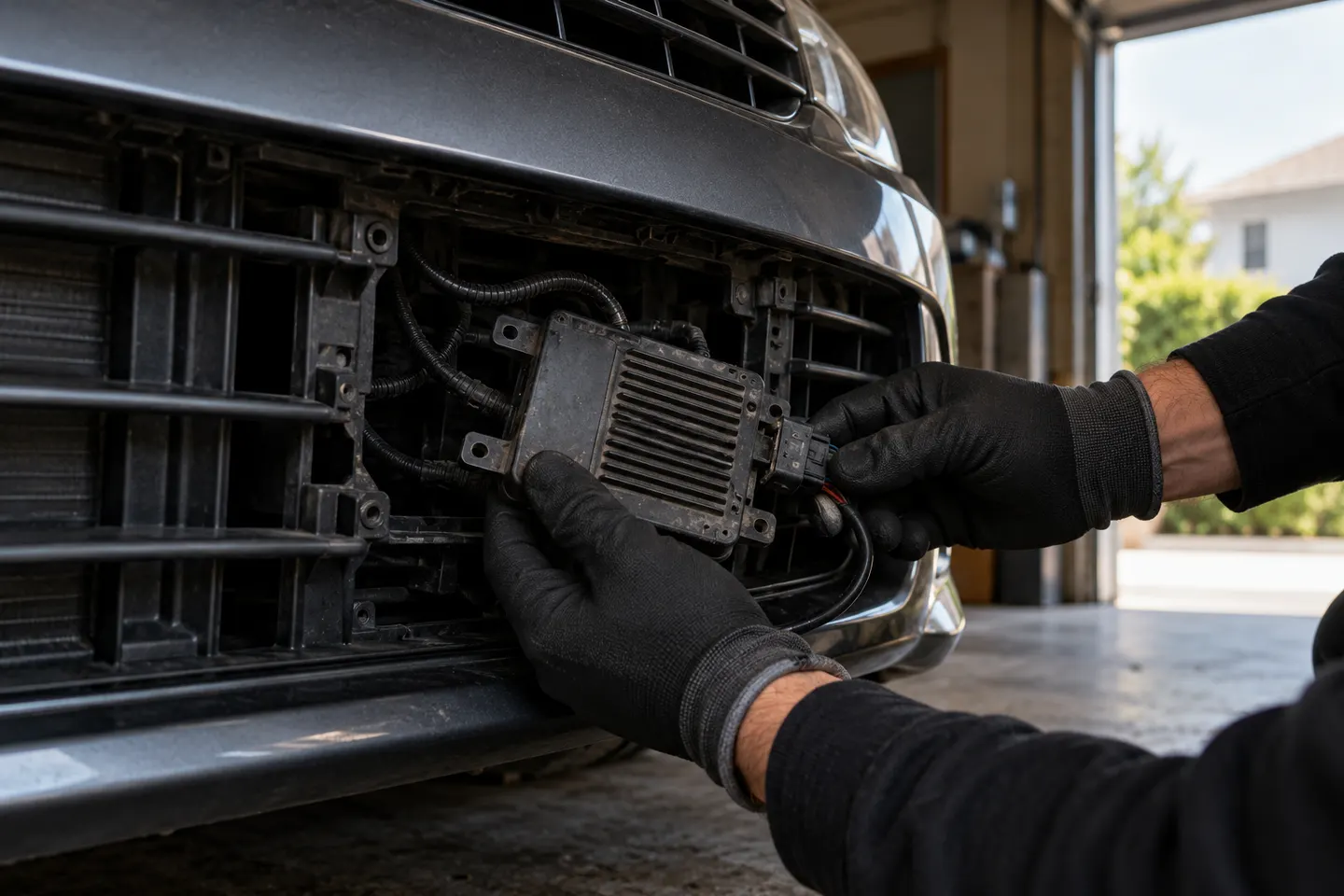
Our picks
Top picks
Official manufacturer image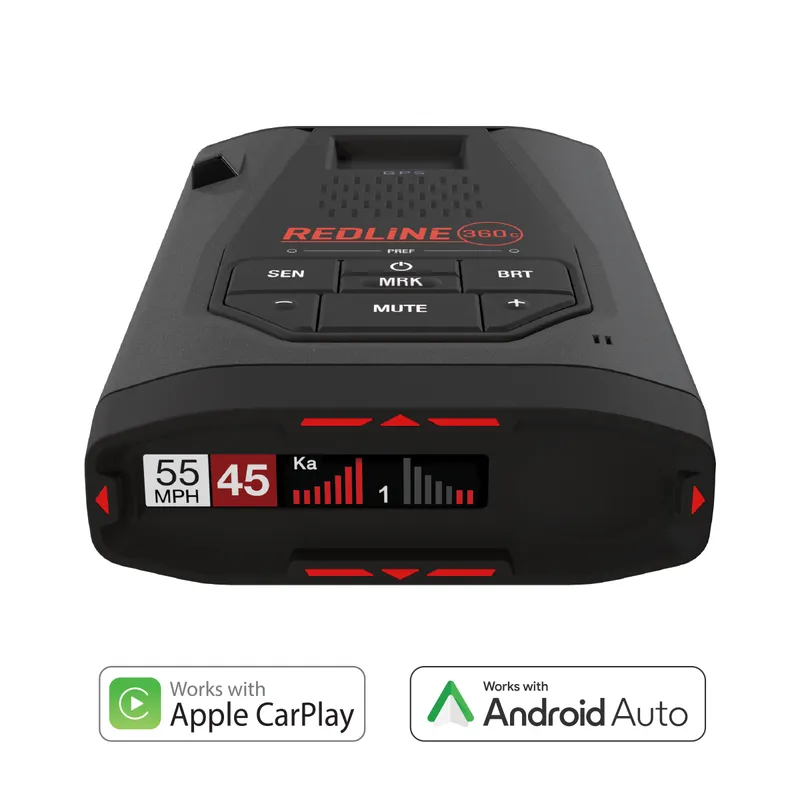 Official manufacturer image
Escort Redline 360c
Check price on Amazon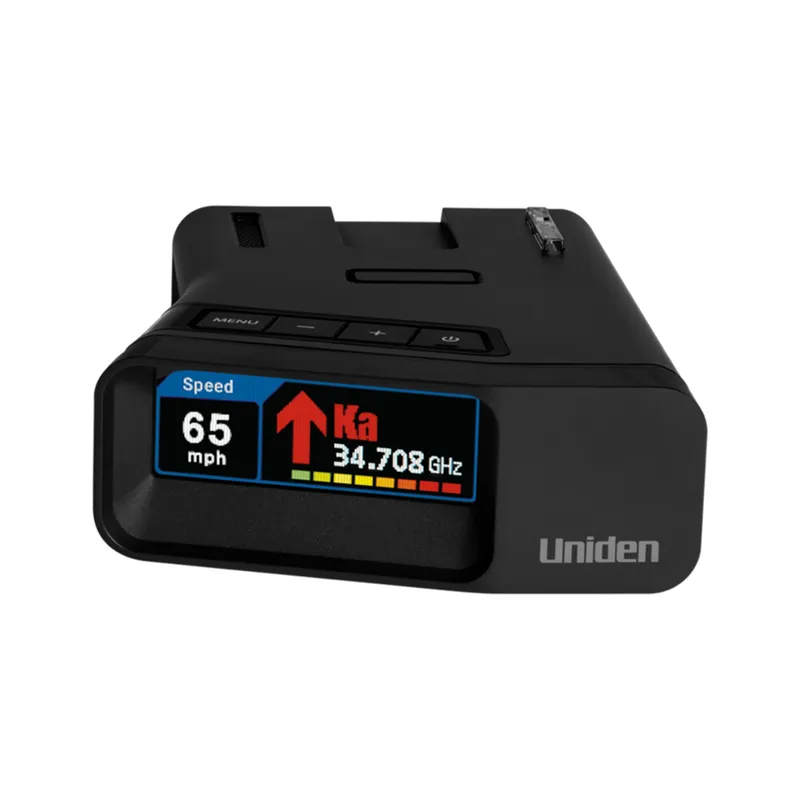 Official manufacturer image
Uniden R7
Check price on AmazonCommon questions
Questions before you buy
Does a radar detector jam police radar?
A conventional radar detector is a receiver: it detects signals and alerts the driver. A jammer is a separate device intended to interfere with measurement.
Are radar jammers legal in the United States?
Federal guidance prohibits radio-frequency jammers that interfere with authorized communications, including police radar. State rules may also apply; consult current official sources.
Are laser jammers the same as radar jammers?
They target different technologies, but some state statutes expressly cover devices that interfere with laser speed measurement. Check the law where the vehicle is used.
What can I use instead of a jammer?
A passive detector or lawful navigation alerts may provide awareness, subject to local rules. Neither changes speed limits or guarantees advance notice.