




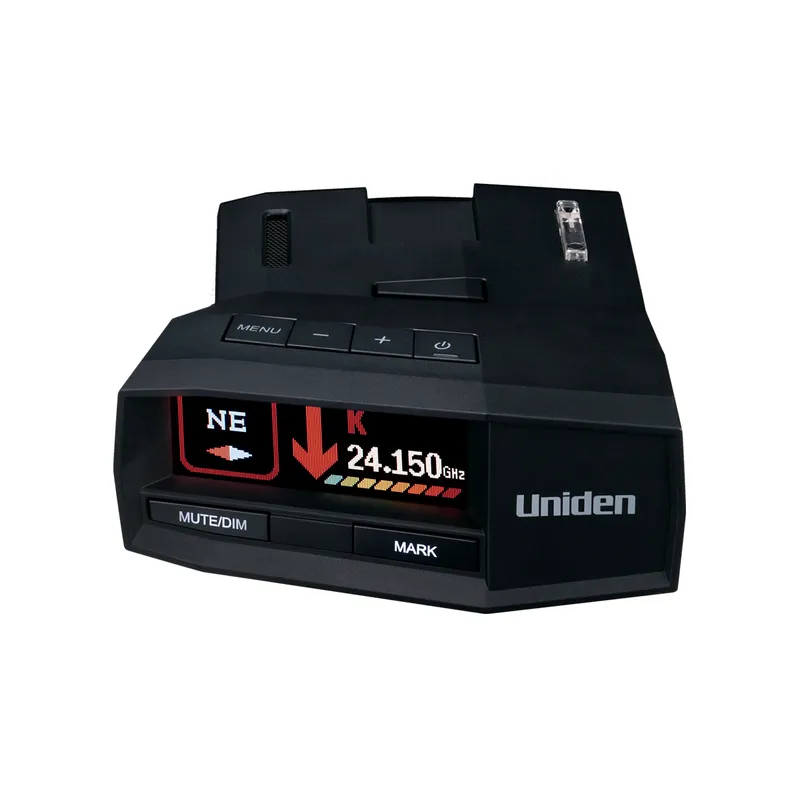
 Official manufacturer image
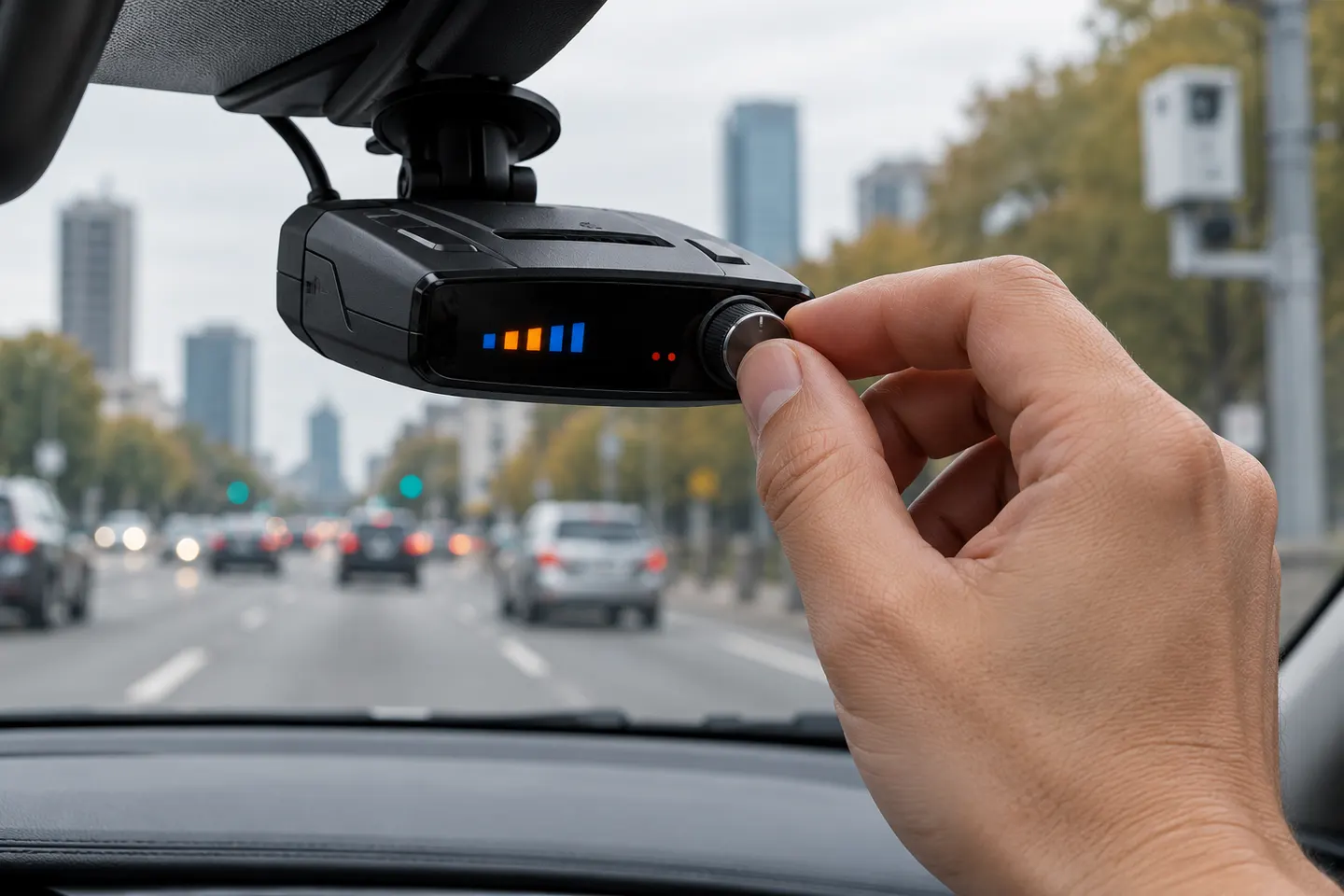
Our picks
Top picks
Official manufacturer image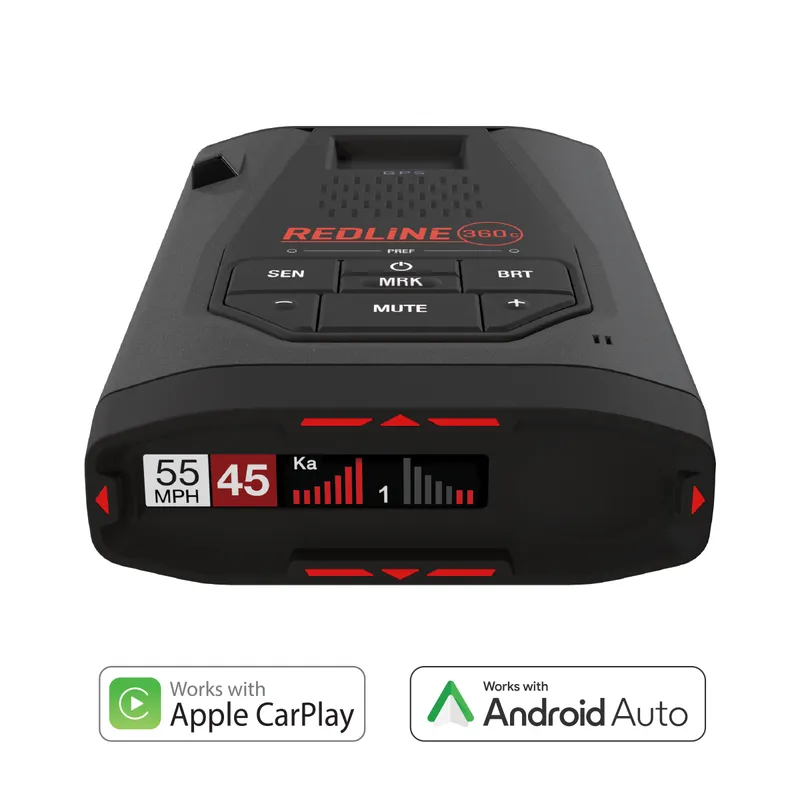 Official manufacturer image
Escort Redline 360c
Check price on Amazon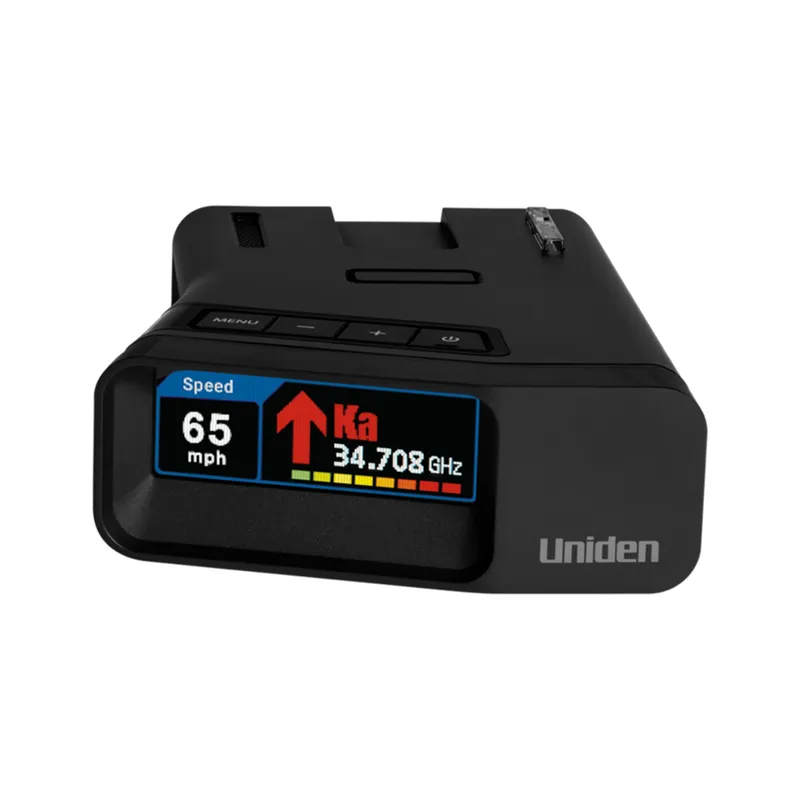 Official manufacturer image
Uniden R7
Check price on AmazonCommon questions
Questions before you buy
What does K band mean on a radar detector?
It is a radio-frequency band the detector can monitor. The exact frequencies and settings are model-specific; check the manufacturer’s specifications.
Why does my radar detector keep alerting to K band?
Automotive safety sensors and other electronic sources can trigger K-band alerts. Uniden identifies these as a source of false warnings.
Should I switch on K-band filtering?
Filtering can reduce nuisance alerts, but Uniden cautions it may also reduce alerts to genuine K-band signals. Choose settings with the manual’s guidance.
Do all radar detectors detect K band?
Coverage varies by product and configuration. Confirm that K band is enabled and included in the exact model’s official specifications.