




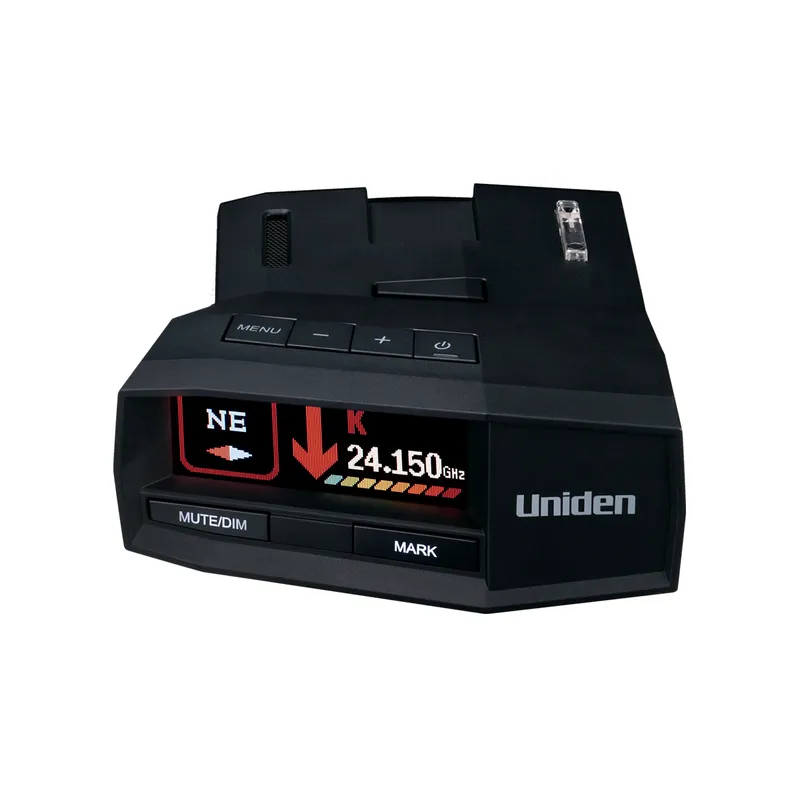
 Official manufacturer image
Our picks
Top picks
Official manufacturer image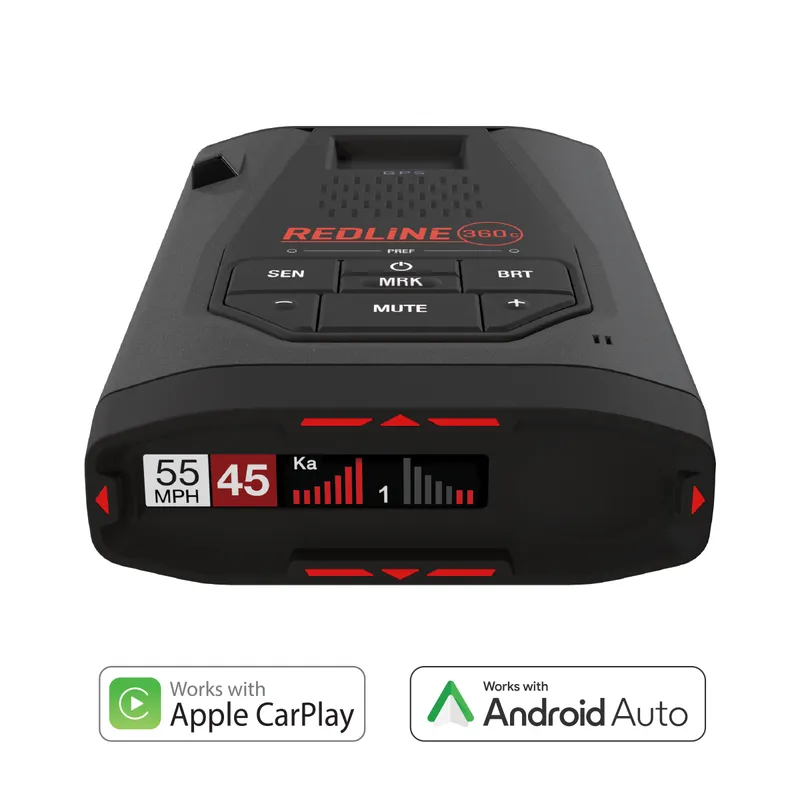 Official manufacturer image
Escort Redline 360c
Check price on Amazon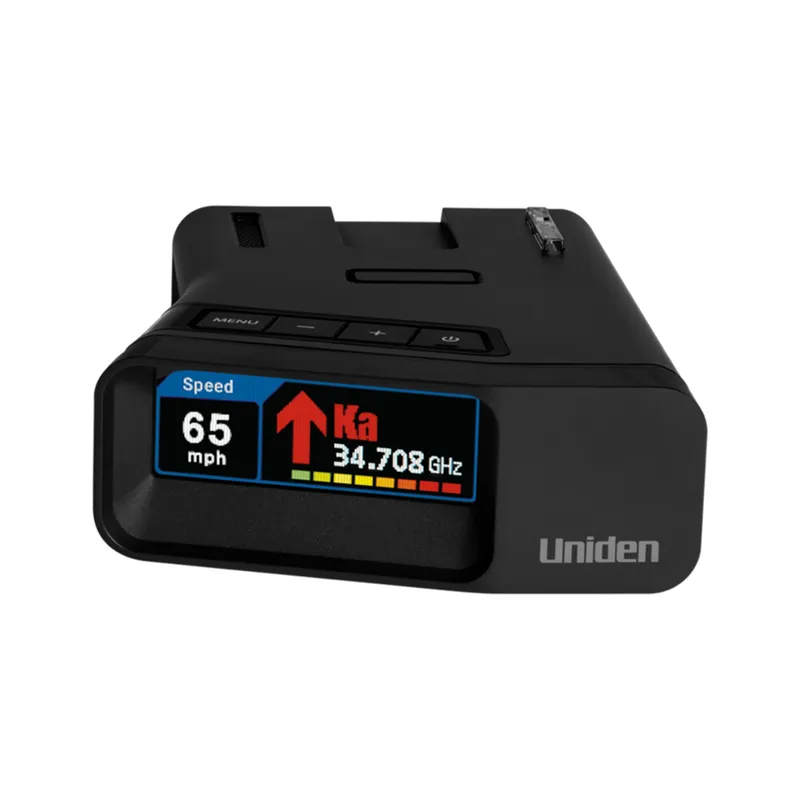 Official manufacturer image
Uniden R7
Check price on AmazonRules and how they work
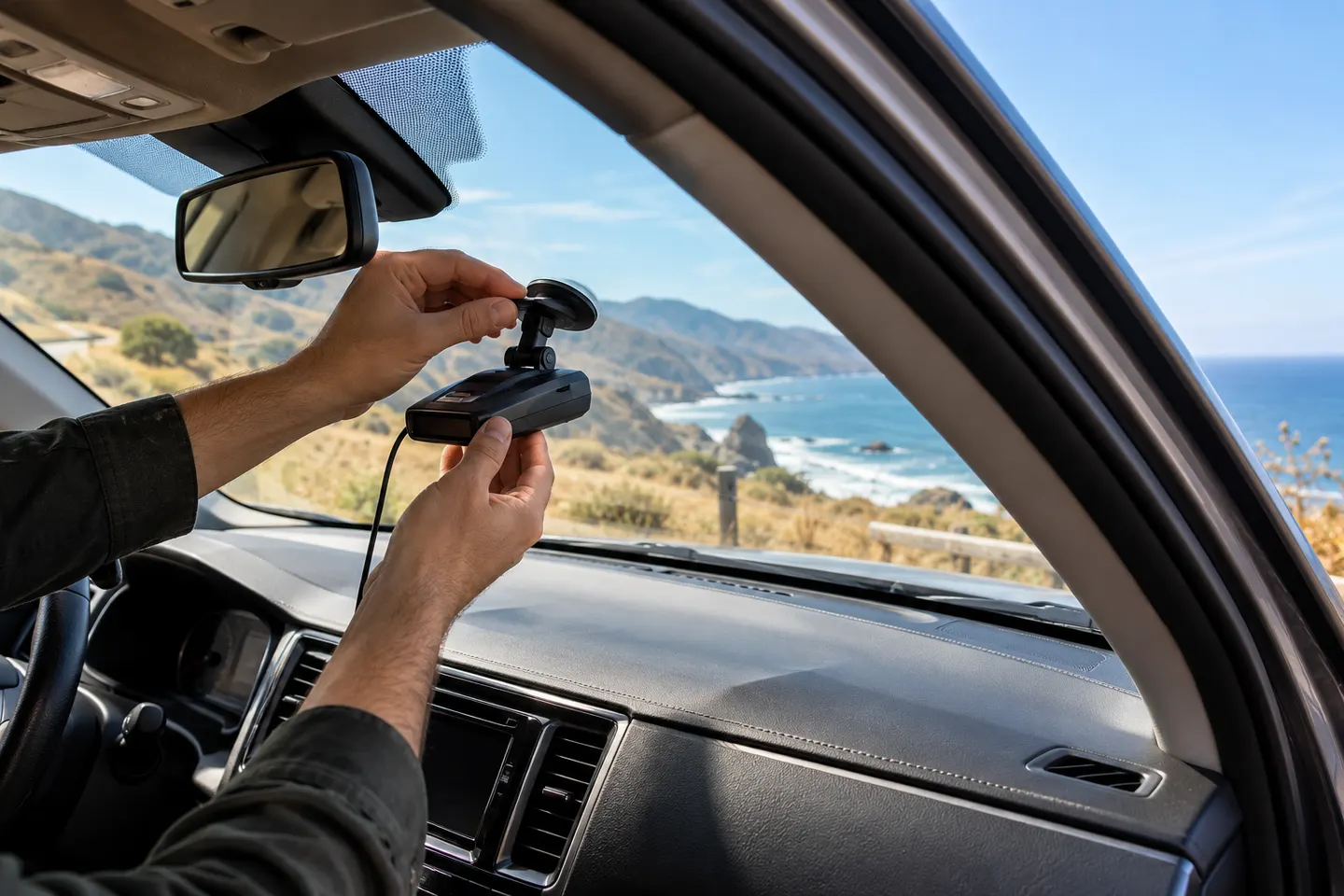 California law
Common questions
Questions before you buy
Are radar detectors legal in every state?
No. Rules vary, and Virginia prohibits operating a vehicle equipped with a device to detect or interfere with speed measurement. Check current law where you drive.
Are radar detectors and radar jammers the same thing?
No. A detector passively receives signals; a jammer is designed to interfere with measurement or communications and may be prohibited under state and federal rules.
Can a radar detector be used in a commercial vehicle?
Federal restrictions apply to certain commercial motor vehicles. Confirm the vehicle’s weight class, route and current federal requirements before use.
Do radar detector laws apply on federal property?
Federal installations can set their own restrictions. Follow posted rules and the instructions of the relevant facility.