Independent buying guidance · US editionHow we work
Gearjury
All categories
All categories
Best picksBest WiFi Extenders: Which Range Extender Should You Buy?
Best picksGood Meat Thermometers for Every Kind of Cook
Best picksBest Dash Cams for Cars in 2026
Best picksBest Radar Detectors for Cars: Models Compared
Best picksBest Air Purifier for Bedroom in the US: Quiet Models Compared
United StatesEnglish

Category hub

Radar Detector Power Cords: Choose a Compatible Cable

A radar detector power cord must match the detector’s connector and the vehicle’s power source. Confirm exact model compatibility before choosing a replacement or alternate cable.

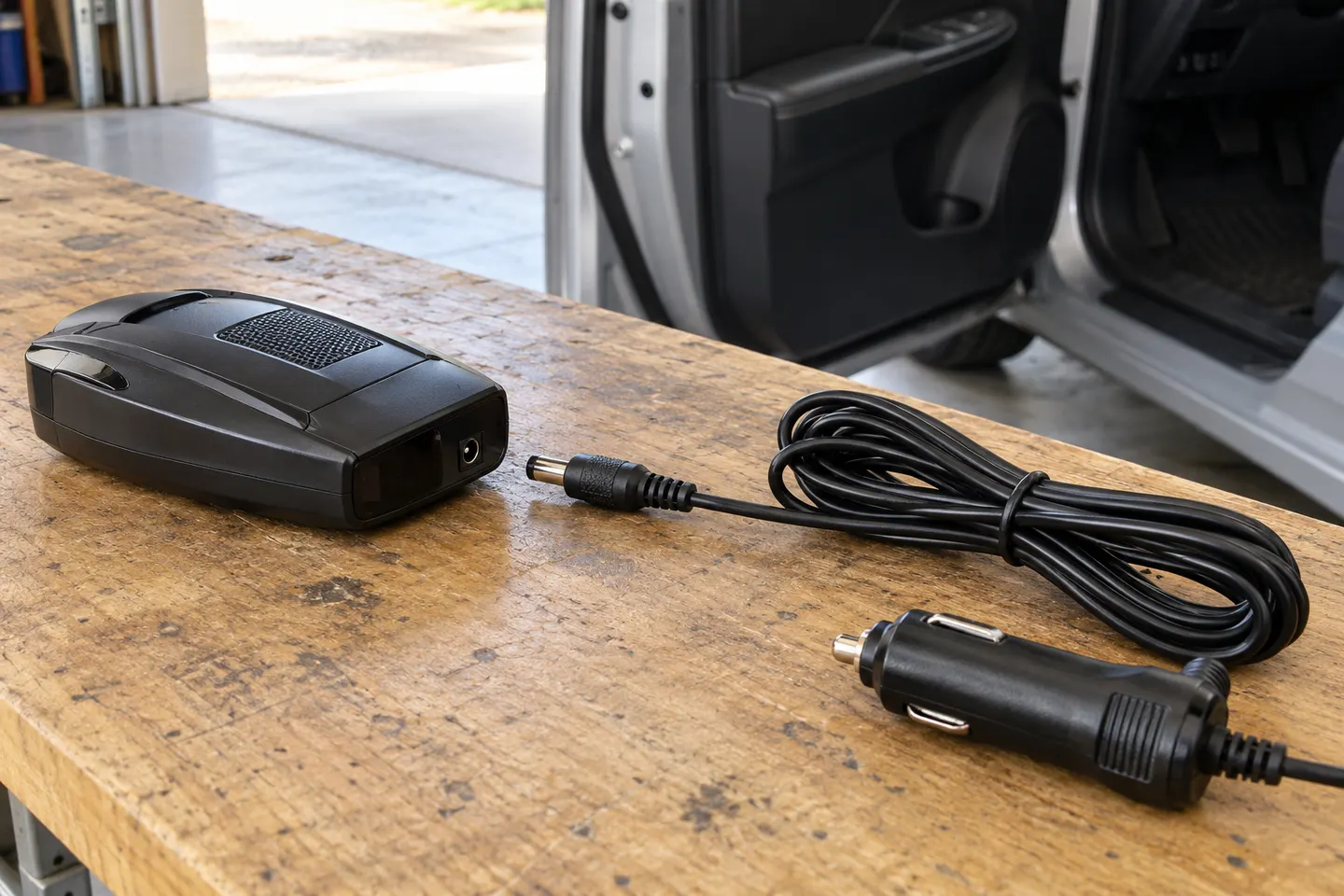
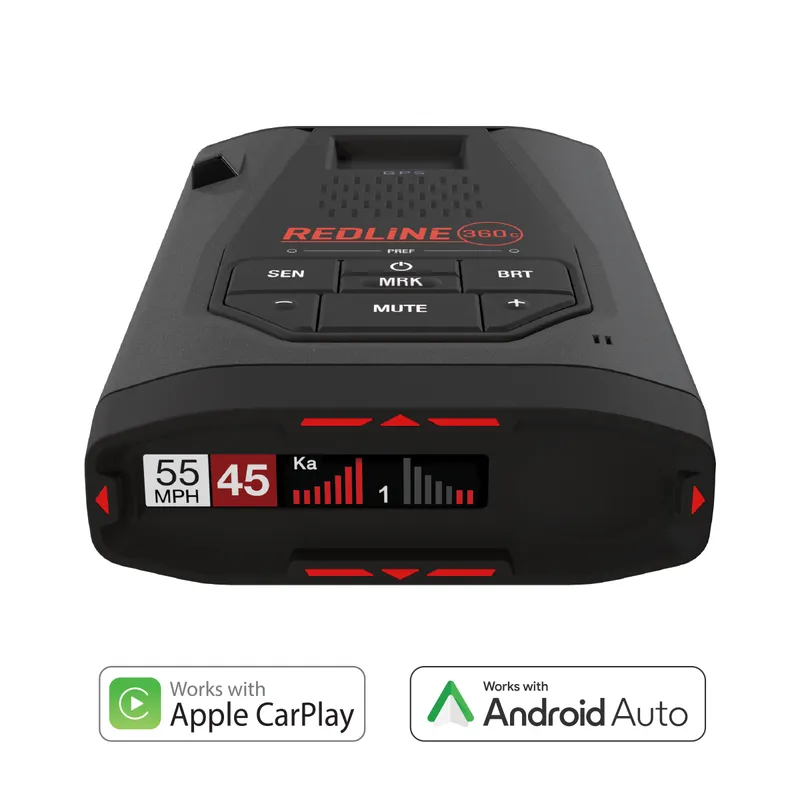
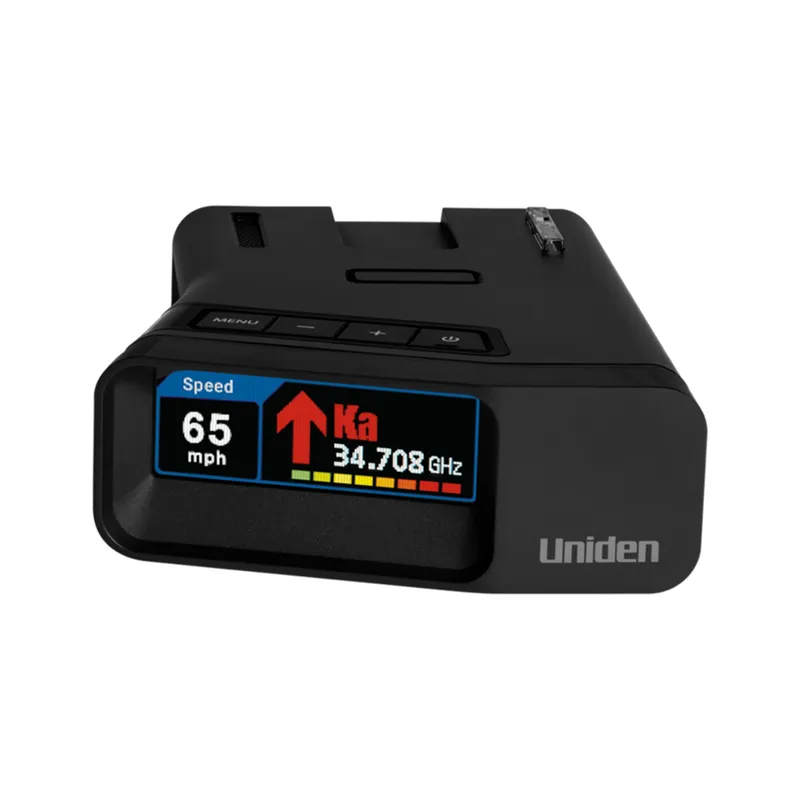
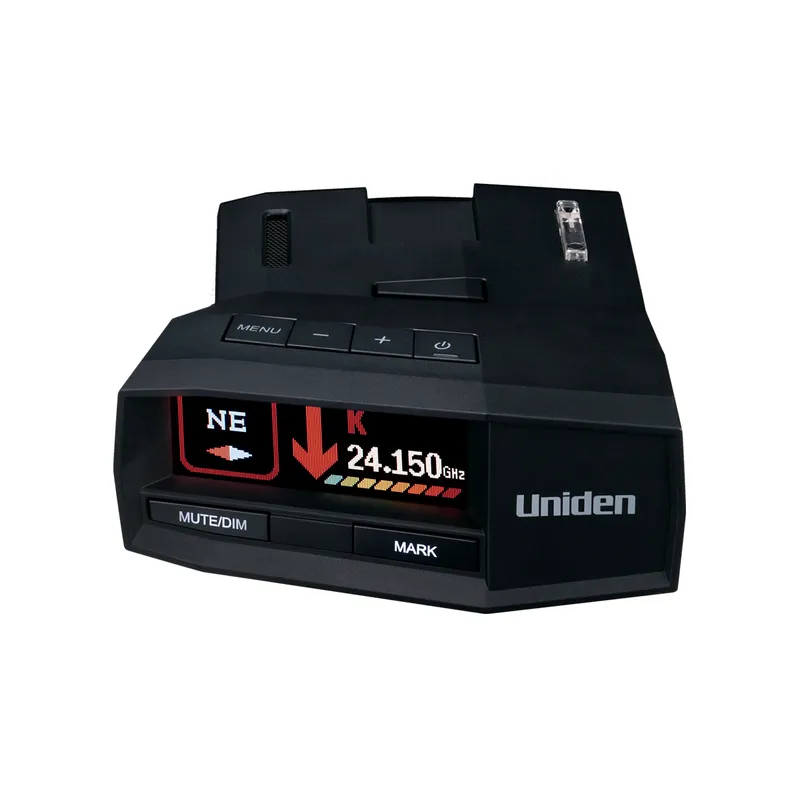
A radar detector power cord is only useful when it matches both the detector and its power source. Start with the owner’s manual: check the connector, required input and whether the cable includes a vehicle outlet adapter or hardwire connection. Uniden says its detectors use a 12V DC cable with an RJ11 connector, while some compatible models have a USB-C to RJ11 alternative; do not assume that applies to another brand. Route the cord away from pedals, airbags and controls, and retain the specified fuse where applicable. Compare the cable type with your intended installation, then check the brand guides for compatible detector families.

Radar Detector Power Cords: Choose a Compatible Cable

Common questions

Questions before you buy

Are radar detector power cords universal?

No. Connector shape, electrical requirements and model compatibility can differ. Match the cable to the exact detector and follow its manual.

Can I power a radar detector from USB?

Only if the manufacturer specifies a compatible USB power cable for that detector. A data or update port is not necessarily a power input; check the manual.

What is an RJ11 radar detector power cord?

It is a cable with an RJ11-style connector at the detector end on compatible models. The other end and power arrangement vary, so verify listed device compatibility.

How should I route a radar detector power cable?

Keep it clear of pedals, airbags and driver controls, and avoid tension at the detector connector. For a hardwire installation, follow the maker’s instructions and keep the specified fuse in place.